


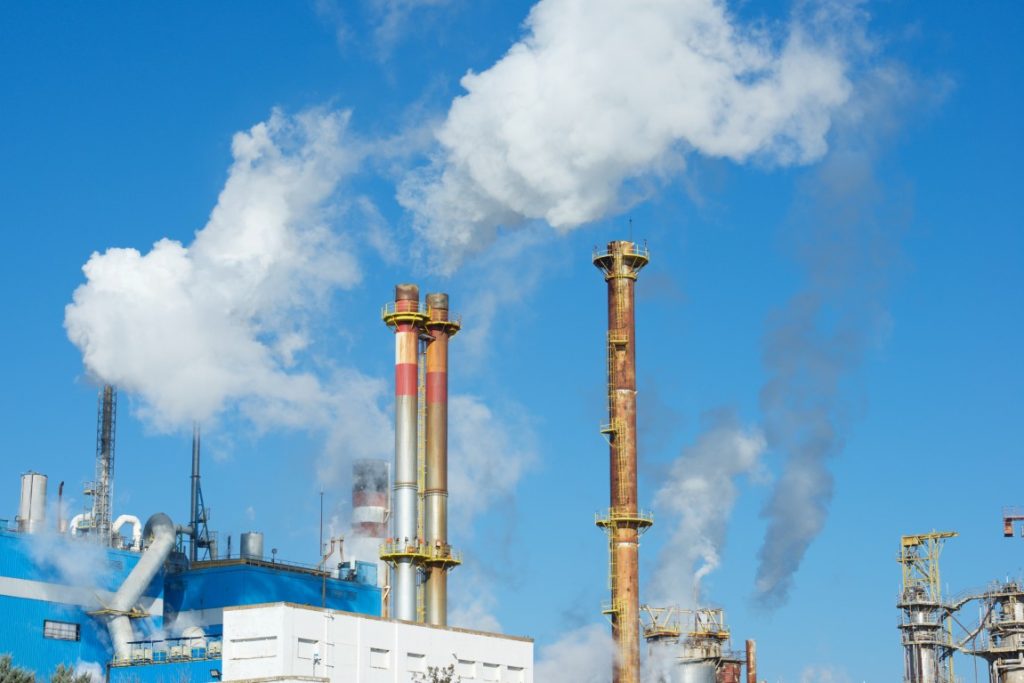
Pelletized activated carbon for industrial gas streams is a practical adsorbent medium used to capture specific gaseous pollutants from exhaust air, process vents, and other industrial off-gases. It works by adsorption, not absorption: molecules adhere to the internal surface of the carbon pellets as the gas stream passes through a packed bed. That makes it useful where plants need targeted removal of VOCs, odor compounds, hydrogen sulfide, sulfur dioxide, acid gases, certain mercury species, and other pollutants that are difficult or inefficient to handle with particulate filtration alone.
For engineers and plant managers, the real question is not whether activated carbon works in general, but whether a pelletized grade is technically appropriate for the actual gas stream. Suitability depends on the pollutant profile, flow rate, concentration, humidity, temperature, pressure drop limits, and whether the stream contains dust, aerosols, condensable vapor, or corrosive components. In industrial practice, pelletized carbon is often chosen when mechanical strength, predictable bed behavior, and lower dusting are important.
What pelletized activated carbon does in gas treatment
Activated carbon is a highly porous carbon material with a very large internal surface area. In pelletized form, it is manufactured into uniform cylindrical pellets or extrudates that allow gas to pass through a packed bed with controlled pressure drop. The pollutants are retained by adsorption on the pore surface, where physical forces and, in some cases, impregnated chemistry help bind the contaminant.
This is different from a filter that removes particles. A dust filter captures solids suspended in air. Activated carbon is designed for molecules in the gas phase. If the gas stream contains both dust and vapor-phase pollutants, upstream particulate removal is usually needed to protect the carbon bed and reduce premature clogging.
Typical industrial uses include:
- VOC control from painting, coating, printing, resin handling, solvent storage, and chemical processing.
- Odor control in waste handling, food-adjacent processes, wastewater off-gas treatment, and certain ventilation systems.
- Hydrogen sulfide and reduced sulfur compound removal in biogas, wastewater, and organic waste treatment.
- Acid gas treatment for streams containing sulfur dioxide, hydrochloric acid vapor, hydrogen chloride, or hydrogen fluoride, subject to process conditions and the selected carbon grade.
- Specialty pollutant capture such as some mercury-bearing streams or other specific compounds where a suitable impregnated carbon is used.
It is important to separate contaminant removal from biogas from methane enrichment. Activated carbon can remove pollutants that would otherwise damage downstream equipment or create odor and corrosion issues, but it does not separate carbon dioxide from methane in the way an upgrading system does.
Why pellet form matters in industrial gas streams
Not all activated carbon formats behave the same way. Pelletized activated carbon is often selected for gas treatment because the pellet shape offers a good balance between adsorption capacity, airflow distribution, and mechanical durability. In a packed bed, consistent pellet size helps limit channeling and supports more predictable contact between gas and adsorbent medium.
Compared with smaller or irregular carbon forms, pellets are often preferred when operators want:
- Lower pressure drop at practical gas velocities.
- Better bed stability under continuous airflow.
- Reduced dust generation during handling and operation.
- Improved fill consistency in fixed-bed vessels and cartridges.
- More robust mechanical performance in industrial service.
That said, pelletized carbon is not automatically the best choice for every case. A highly humid stream, a heavily particulate-loaded exhaust, or a gas containing specific polar compounds may require a different carbon grade, pre-treatment, or a multi-stage system. The right answer depends on the process chemistry, not only on the nominal pollutant name.
In real installations, pelletized activated carbon is one element in a broader gas-treatment design. It may follow a mist eliminator, particulate prefilter, scrubber, or cooling step. It may also be used in combination with other technologies where the gas composition makes a single-stage solution impractical.
Pollutants it can target, and the process limits that matter
One reason pelletized activated carbon is widely used is its flexibility. By selecting the base carbon and any chemical impregnation carefully, the adsorbent can be tailored to a pollutant class. But selection must be based on the actual gas stream, not on a broad label such as “odor” or “VOC.”
Common target pollutants
- VOCs: Solvent vapors and organic compounds are often the first application engineers consider. Performance depends on compound type, concentration, humidity, and temperature.
- Hydrogen sulfide: Common in biogas, wastewater odor control, and waste treatment. Removal mechanisms can include adsorption and, depending on carbon chemistry, reactive capture.
- SO2: May require a specific impregnated grade and a suitable moisture window.
- HCl and HF vapors: Acid gases demand careful material selection and upstream conditioning because they can quickly consume the bed if conditions are not controlled.
- Dioxins and furans: Carbon-based treatment is used in some flue gas contexts, but application design is highly process-specific and may involve temperature and dust-management constraints.
- Mercury compounds: Some streams require specialized carbon grades rather than standard activated carbon.
Siloxanes are another important consideration in biogas and landfill gas systems. They can form hard deposits in engines or thermal equipment after combustion, so operators often evaluate carbon-based removal as part of a broader gas-cleaning strategy. Here, too, the selected grade and gas conditions matter. Performance should be assessed with real gas data, not assumed from the contaminant name alone.
Key operating factors include:
- Humidity: Water vapor can compete for adsorption sites or, in some cases, support reactive capture depending on the pollutant and carbon grade.
- Temperature: Higher temperatures usually reduce adsorption efficiency for many organics.
- Concentration spikes: Short peaks can saturate a bed earlier than average load calculations suggest.
- Airflow and contact time: The vessel must provide enough residence time for adsorption to occur.
- Dust and aerosols: These can block pores or create premature pressure-drop issues.
- Corrosive constituents: Some gases require an impregnated product or upstream treatment to avoid rapid bed exhaustion.
Because these variables interact, two plants with the same nominal contaminant may need different carbon grades, vessel designs, and changeout strategies.
How to evaluate suitability before choosing a carbon bed
The most common technical mistake is to specify activated carbon before the process data are complete. A supplier proposal should be based on measured or well-defined conditions. This is especially important for industrial buyers selecting a fixed-bed system or evaluating a service provider such as Bionatur, which offers industrial gas filtration and pollutant-specific treatment.
For a credible proposal, the following data are usually needed:
- Gas source and process description: What generates the emission, and under what operating mode?
- Target pollutants: VOCs, H2S, SO2, acid gases, odor compounds, siloxanes, mercury species, or other compounds identified by analysis.
- Flow rate profile: Average, peak, and start-up or upset conditions.
- Concentration range: Representative inlet concentrations, including expected spikes.
- Gas temperature and humidity: Continuous and transient values.
- Presence of particulates, mist, or condensate: This affects pretreatment and bed life.
- Corrosion concerns: Materials compatibility for vessel, seals, ducts, and instrumentation.
- Available footprint and pressure-drop limits: Important for integration into existing plants.
- Operating schedule: Continuous, batch, intermittent, or seasonal operation.
- Maintenance constraints: Access, shutdown windows, and handling requirements for spent adsorbent.
This information allows the engineer to determine whether pelletized activated carbon is the right first-stage or final polishing step, whether pretreatment is required, and whether a different adsorbent chemistry is needed. In some cases, the correct answer may be a combination of scrubber plus carbon, or particulate removal plus a dedicated carbon bed.
For plant teams comparing treatment options, a useful practical rule is this: first define the pollutant, then define the gas stream, then define the vessel constraints. Doing those three things in the right order avoids oversizing, underperformance, and unnecessary replacement frequency.
Design and operation: what maintenance teams should watch
Pelletized activated carbon is simple in principle, but reliable operation depends on disciplined process control. A fixed-bed adsorber does not “self-regenerate” in normal service. Once adsorption sites are occupied, performance declines. The bed must then be changed out, reactivated off-site if that is part of the management plan, or replaced according to the site’s operating strategy.
Maintenance teams should focus on the external indicators of bed condition rather than opening the vessel or inspecting the internal adsorbent directly. Useful operating signals include:
- Outlet monitoring for the target pollutant when continuous or periodic measurement is available.
- Pressure drop trend across the vessel, which may indicate fouling, condensation, or dust loading.
- Temperature behavior if the system includes thermal monitoring, especially where exothermic reactions may occur with certain compounds.
- Process instability such as upsets, bypass events, or unexpected moisture excursions.
- Visual condition of upstream equipment that could be sending liquid carryover or solids into the adsorber.
For hydrogen sulfide and some reactive gas applications, the bed can experience heat release depending on chemistry and loading. This is one reason proper upstream control and conservative design margins matter. Operators should follow the system’s safety documentation and site procedures, especially when working with contaminated gas, confined spaces, or spent adsorbent handling.
Replacement timing should be based on performance data and process history, not a fixed calendar alone. Adsorbent life can change with humidity, concentration peaks, loading variability, and upstream process changes. A bed that performs well on one line may exhaust much earlier on another line with the same nominal flow.
Bionatur’s integral service model, which can include assessment, engineering, supply, installation, commissioning, maintenance, media replacement, and management of spent materials, is relevant here because carbon systems are operational assets, not just consumables. Good design reduces surprises later in the operating cycle.
Where pelletized carbon fits best in industry
Pelletized activated carbon is especially useful in manufacturing and utility environments where gas streams are variable but still predictable enough to engineer a fixed-bed solution. That includes many chemical, automotive, ceramic, metallurgical, pharmaceutical, paint, plastics, and petrochemical operations.
Examples of common integration points include:
- Paint and coating lines where solvent vapors need polishing before discharge.
- Chemical process vents with intermittent VOCs or acid gases.
- Pharmaceutical manufacturing where odor and solvent management are important.
- Plastics processing involving organic vapor emissions from resins, additives, or thermal steps.
- Metallurgical or thermal processes where specific gas contaminants require targeted polishing.
- Wastewater, biogas, and waste facilities where H2S, odor compounds, and siloxanes are common concerns.
In biogas systems, one of the most common goals is to remove contaminants that would damage engines, CHP units, or downstream equipment. That is not the same as increasing methane concentration. A gas-cleaning stage can improve operational reliability and reduce odor or corrosion risk, but it does not by itself perform full gas upgrading.
Where a project requires more than general odor control, pollutant-specific treatment becomes essential. Bionatur’s industrial gas treatment approach is centered on matching the adsorbent and process design to the real contaminant load, rather than assuming one carbon grade fits all vents. For an overview of gas-treatment applications, see industrial gas treatment solutions.
How to compare proposals without over-specifying the medium
When reviewing supplier proposals, the goal is not to demand the “strongest” carbon, but to confirm that the engineering assumptions match the plant data. A technically sound proposal should explain why a pelletized adsorbent medium is selected, what pretreatment is assumed, and how the system will be monitored in operation.
Use this checklist when comparing offers:
- Is the target pollutant defined clearly and based on measured or documented data?
- Does the proposal distinguish between particle removal and gas adsorption?
- Are humidity, temperature, and concentration peaks included in the sizing assumptions?
- Is upstream dust, aerosol, or condensate control addressed?
- Does the design specify how pressure drop will be managed?
- Are monitoring points or replacement criteria described in operational terms?
- Is spent adsorbent handling addressed safely and practically?
- Are any performance statements limited to the verified application, without overgeneralizing?
If BR350 is being considered, the same discipline applies. It should be evaluated only within the scope of verified manufacturer evidence and the actual process conditions. No carbon product should be assumed suitable for every gas stream simply because it is pelletized or because it has worked on a different site.
For industrial buyers, the best proposal is the one that reflects the real emission source, not a generic catalog description. That is what makes the system more predictable to operate and easier to maintain over time.
FAQ
Is pelletized activated carbon the same as a dust filter?
No. A dust filter removes solid particles from a gas stream. Pelletized activated carbon is a gas-phase adsorbent used to capture molecules such as VOCs, hydrogen sulfide, odor compounds, and certain acid gases. Many systems need both stages.
Can activated carbon remove hydrogen sulfide from biogas?
It can be used for hydrogen sulfide removal, but performance depends on the carbon grade, gas humidity, concentration, flow, and operating conditions. It should be selected and sized using actual process data.
Does pelletized carbon treat all odor problems?
No. “Odor” is not a single pollutant. Odorous compounds vary widely, and some are better controlled by scrubbers, biofiltration, or pre-treatment. Activated carbon can be effective for many odor-bearing streams, but only when the target compounds and conditions are suitable.
Can activated carbon make biogas methane-rich?
No. Removing contaminants from biogas can improve gas quality and protect equipment, but methane enrichment requires a separate upgrading process. Carbon beds are used for contaminant control, not for CO2 separation.
How do I know when a carbon bed needs replacement?
Replacement is usually based on outlet pollutant data, pressure drop trends, process changes, and operating history. Do not rely on smell as a safety or performance indicator, and do not inspect internal media without following site procedures.
If you are evaluating pelletized activated carbon for a specific industrial gas stream, request a technical assessment based on your measured process data and operating conditions.