


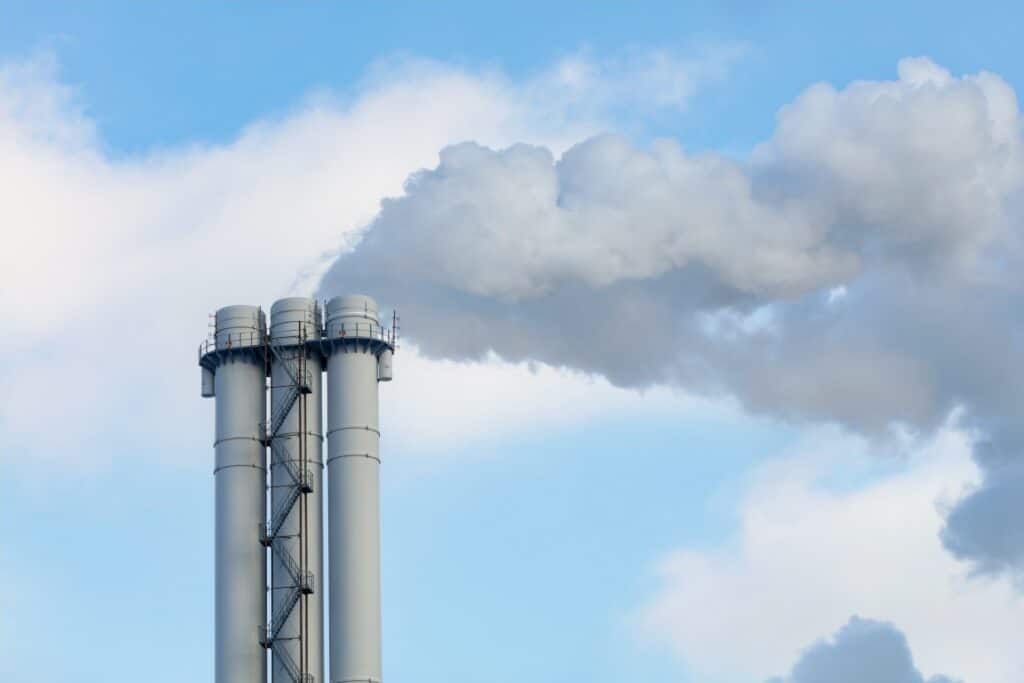
Coating process emission treatment in Stuttgart is about controlling the gases, vapor, and fine particulate matter released during surface finishing operations before they affect workers, equipment, and the surrounding environment. For paint lines, powder coating systems, resin curing, solvent-based spray booths, and related pretreatment steps, the right solution depends on what is actually being emitted: VOCs, odor compounds, acid gases, aerosols, overspray, and in some cases heavier molecular pollutants that require specific adsorption or chemical treatment. The goal is not a generic “air cleaner,” but a process-matched emission control system sized to the real exhaust stream.
In practical terms, engineering a treatment system starts with a clear separation of pollutants. VOCs and odor compounds behave differently from particles. Solvent vapors, catalyst fumes, and process gases need gas-phase treatment, while paint mist, dust, and other airborne solids may require prefiltration or a separate particulate control stage. That distinction matters because adsorption, filtration, and scrubbing are not interchangeable. A well-designed coating emission system uses the right combination of steps for the actual process chemistry, airflow, temperature, humidity, and operating pattern.
For manufacturers in Stuttgart and the wider industrial region, this is especially relevant where coating lines run continuously, batch processes vary by product, or multiple emission sources feed one exhaust system. The correct treatment concept can reduce nuisance odor, protect downstream equipment, and support consistent operation. It can also make maintenance more predictable by preventing contamination from reaching the adsorbent medium too early or in the wrong form.
What coating process emissions typically contain
Coating operations can generate a mixture of contaminants, and the exact profile depends on materials, curing conditions, and line design. In many facilities, the exhaust stream is not a single pollutant but a changing combination of vapors and particles.
- Solvent vapors from paints, thinners, cleaning agents, and surface preparation chemicals.
- VOC mixtures that may include aromatic, aliphatic, or oxygenated compounds, depending on formulation.
- Odor compounds associated with curing, cleaning, and product-specific chemistry.
- Fine droplets or overspray from spray application.
- Acid gases in some specialty lines, such as hydrochloric acid or hydrogen fluoride-related emissions from adjacent process steps or pretreatment systems.
- Combustion-related pollutants if thermal oxidizers, ovens, or burners are part of the process.
These emissions are often influenced by temperature and humidity. Higher temperatures can increase vapor release. Humidity can affect adsorption behavior, condensation risk, and the performance of prefilters or condensate management. If the exhaust contains sticky aerosols or water vapor, the system design must account for fouling and pressure drop, not only for gas removal.
It is also important not to confuse odor intensity with safety risk or removal efficiency. Odor is only one indicator and does not reliably show whether hydrogen sulfide, VOCs, or another pollutant is present, nor whether the treatment system is working correctly.
Which treatment principle fits the process
For coating exhaust, the most suitable treatment principle depends on pollutant type. In many projects, the solution is a multi-stage system rather than a single device.
Adsorption for gas-phase contaminants
Adsorption is the process by which gas molecules attach to the surface of a solid adsorbent medium, such as activated carbon or another engineered adsorbent. It is widely used for VOC removal and odor control, especially when the exhaust stream is relatively stable and the pollutant load is suitable for the selected medium. Adsorption is not the same as absorption, which transfers pollutants into a liquid phase. The distinction matters because gas-phase coatings emissions are often better addressed with a dry adsorbent system than with a wet process.
Activated carbon is a common adsorbent choice for many coating-related vapors, but it is not universal. Suitability depends on molecular size, polarity, concentration, humidity, temperature, and competing compounds in the stream. Some vapors are adsorbed more readily than others. In mixed emission streams, specific carbon grades or impregnated media may be considered, but only after reviewing the process chemistry. No adsorbent should be assumed to treat every contaminant in the same way.
Particulate control before gas treatment
Overspray, dust, and condensed droplets should usually be removed upstream of the gas treatment stage. This protects the adsorbent medium and stabilizes pressure drop. In coating applications, prefiltration can also reduce loading from paint mist or sticky aerosols that would otherwise block pores or create uneven flow through the bed.
Pre-treatment may include mechanical separation, cartridge filtration, or other dust capture stages, depending on the process. The exact arrangement should be selected based on particle characteristics, not on a generic template.
When other chemistry matters
Some coating-related exhaust streams contain acid gases, sulfur compounds, or other aggressive pollutants that require more than standard VOC adsorption. For example, certain lines may involve hydrogen sulfide in upstream utilities or nearby process areas, or corrosive gases from pretreatment and cleaning operations. These require a pollutant-specific review because the material choice, corrosion resistance, and media selection may differ from a standard solvent-only system.
In broader industrial air treatment programs, Bionatur focuses on pollutant-specific gas filtration and adsorption, including VOCs, H2S, SO2, HCl, HF, dioxins, furans, and heavy metals. For coating operations, the key is to match those principles to the actual exhaust chemistry rather than assuming one treatment method fits every line. A useful reference for gas-phase treatment concepts is the industrial gas treatment overview.
How to assess a coating line before requesting a proposal
A technically sound proposal starts with process data. Without it, any equipment recommendation is only a guess. For coating emission treatment in Stuttgart, engineers and plant managers should prepare a concise but complete description of the exhaust stream and operating conditions.
Useful data to provide once includes:
- Process description: coating type, pretreatment steps, curing method, cleaning operations, and whether the line is continuous or batch-based.
- Pollutants expected: VOC family, odor compounds, dust, overspray, acid gases, hydrogen sulfide if relevant, and any known process-specific compounds.
- Airflow and fan data: volumetric flow, number of exhaust points, whether flows are constant or variable, and any future expansion plans.
- Temperature and humidity: normal operating range and worst-case conditions during start-up, shutdown, or cleaning.
- Concentration profile: average loading, peak loading, and whether emissions vary by product changeover or shift pattern.
- Dust or aerosol content: presence of paint mist, particulate carryover, condensable vapors, or sticky residues.
- Space and integration constraints: available footprint, duct routing, maintenance access, electrical limits, and indoor or outdoor installation needs.
- Operational goals: odor reduction, worker exposure control, equipment protection, compliance support, or treatment of a specific contaminant.
That information allows the supplier to evaluate whether adsorption alone is sufficient, whether prefiltration is required, or whether a combined system is more appropriate. It also helps determine if a standard adsorbent medium is suitable or if a more specialized grade is needed. In some cases, the right answer is not a larger unit, but better pre-treatment or a different process arrangement.
For Bionatur, this assessment-driven approach is central to the design process. The company works from measured or documented process conditions rather than from assumptions, which is especially important when emission streams contain several pollutant types at once. That is how engineering teams avoid oversizing one part of the system while underestimating another.
Selection criteria for Stuttgart industrial sites
When choosing a coating process emission treatment concept, the most important selection criterion is not the city itself, but the exhaust chemistry and operating profile. Facilities in Stuttgart often face tight space, mixed production schedules, and the need to integrate treatment into existing lines without interrupting output. A practical selection should consider the following points.
- Pollutant specificity: identify whether the main target is VOCs, odor, acid gases, or a mixed stream.
- Gas vs. particles: verify whether the system is treating vapors, aerosols, or both.
- Flow stability: steady flow is easier to engineer than large peaks or intermittent exhaust.
- Moisture and temperature: these directly affect adsorption performance and media life.
- Chemical compatibility: certain coatings or pretreatment chemicals may require special adsorbent media or corrosion-resistant construction.
- Maintenance approach: media change, access, monitoring, and safe handling of spent materials should be planned from the start.
- Integration with upstream controls: prefilters, capture hoods, and ductwork often determine real performance more than the treatment vessel alone.
This is also where the BR350 may become relevant as a priority filter in Bionatur’s portfolio. However, suitability cannot be assumed from the model name alone. Any selection involving the BR350 should be based on the verified pollutant profile, airflow, concentration, temperature, humidity, and process variability. Without those data, it would be technically incorrect to claim compatibility with a specific coating application.
For industrial buyers, this is an important distinction. A filter can only be evaluated properly if the proposal process includes the real exhaust conditions. The same unit can perform differently in two plants with similar production names but different solvents, cleaning chemistry, or moisture content.
Maintenance, monitoring, and media replacement
Good operation is not limited to commissioning day. Emission treatment systems for coating lines need ongoing monitoring so that loading, pressure drop, and process changes are detected before performance drifts. This is particularly important in facilities where product mixes change or where cleaning cycles introduce short-term spikes in vapors.
General monitoring methods may include pressure drop trend checks, inlet and outlet process measurements when available, and review of operating logs. These checks help indicate when the adsorbent medium is approaching its working limit or when upstream filtration is no longer protecting the bed as intended. Site staff should not open treatment vessels or inspect internal media unless the equipment is designed for safe access and the maintenance procedure allows it.
Spent adsorbent and other contaminated materials must be managed according to the characteristics of the captured pollutants and the applicable handling rules for the site. This is especially important when the exhaust includes solvent residues, acid gases, or compounds that can create odor or reactivity concerns during storage and disposal. A supplier with integrated service capability can help manage replacement planning and spent-material handling as part of the operational cycle.
Bionatur’s service model is relevant here because coating emission systems often need more than equipment delivery. Assessment, engineering, supply, installation, commissioning, maintenance, media replacement, and management of spent materials are all part of keeping a treatment system aligned with real process conditions. That matters when a plant wants predictable operation rather than an isolated hardware purchase.
Why integrated gas treatment planning matters in coating operations
Coating exhaust treatment is rarely a standalone issue. It interacts with production scheduling, energy use, process stability, and workplace conditions. A system that is technically correct on paper can still underperform if the exhaust capture is poor, the air stream is too hot or wet, or particle removal has been overlooked. Conversely, a properly engineered adsorption stage can make a significant difference when it is placed after the right pre-treatment and operated within its design envelope.
For mixed industrial sites, the same planning approach can also support adjacent emission sources such as wastewater handling, solvent recovery areas, or utility exhausts. But each application still needs its own assessment. Coating gases are not the same as biogas contaminants, and removing contaminants from biogas is not the same as CO2 separation or methane enrichment. In gas-treatment work, precision matters because the treatment objective determines the engineering approach.
That is why local industrial buyers in Stuttgart should ask for a process-based evaluation instead of a general product quote. The proposal should show how the chosen adsorbent medium, prefiltration, vessel sizing logic, and maintenance concept relate to the measured or expected exhaust stream. If the system is intended to address VOCs and odor, the proposal should say so clearly. If it also needs to manage acid gases or other aggressive compounds, that must be documented separately.
In short, the best coating process emission treatment is the one that matches the line, not the label on the equipment. Clear process data, pollutant identification, and realistic operating conditions lead to better technical decisions and fewer surprises after startup.
FAQ
Is activated carbon always the right solution for coating emissions?
No. Activated carbon is widely used for many VOC and odor applications, but it is not automatically correct for every coating exhaust stream. Temperature, humidity, pollutant type, concentration, and particle content all affect suitability. Some streams need prefiltration or a different treatment approach.
What information is needed to size a treatment system?
At minimum, provide the process description, airflow, pollutant list, temperature, humidity, concentration pattern, and any dust or aerosol content. Space constraints and maintenance requirements are also important because they influence layout and serviceability.
Can one system handle both odor and solvent vapors?
Often yes, if the exhaust chemistry supports it. Odor and solvent vapors are both gas-phase pollutants, so adsorption can be appropriate in some cases. The actual design still depends on the compounds present and the overall process conditions.
How do I know when media replacement is needed?
Replacement is usually based on monitored operating data, process trends, and the treatment system’s design criteria. Pressure drop, pollutant loading, and changes in exhaust behavior can indicate when service is required. Internal media should only be handled according to the equipment’s maintenance procedure.
Can Bionatur evaluate a coating line in Stuttgart?
Bionatur can support assessment and engineering for industrial gas treatment, but any proposal must be based on the actual process data and pollutant profile. If you need a technical review for a coating exhaust stream, the next step is to request an assessment with the operating details available.