


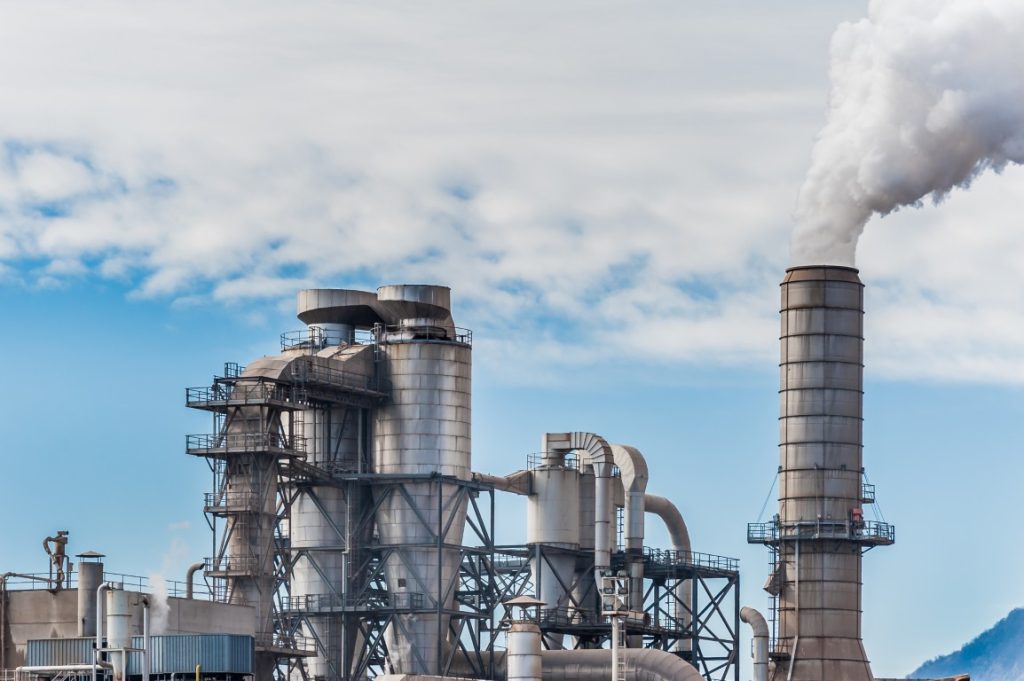
Activated carbon is one of the most practical treatment options for removing organic contaminants from process water when the target compounds are present at low to moderate concentrations and when oxidation, stripping, or simple separation is not enough. In industrial plants, it is used to reduce dissolved organics that cause odor, color, taste, toxicity, or downstream process interference. It does this by adsorption, not absorption: contaminant molecules attach to the very large internal surface of the carbon rather than soaking into it like a sponge.
For engineers and plant managers, the key question is not whether activated carbon works in theory, but whether it is the right final or polishing step for a specific water stream. That depends on the contaminant type, concentration, pH, temperature, suspended solids, flow rate, and the presence of competing compounds. In process water, the best performance usually comes when the carbon step is placed after good upstream pretreatment, so the bed is not overloaded by oils, solids, oxidants, or uncontrolled spikes in organic load.
This article explains where activated carbon is technically useful for process water, what it can and cannot do, what operating data are needed for design, and how to evaluate a supplier without relying on generic claims. Bionatur, based in Barcelona, supports industrial pollutant treatment with an engineering-led approach, including activated-carbon treatment for industrial water and wastewater when the application is properly defined.
How activated carbon removes organic contaminants from process water
Activated carbon is a porous solid adsorbent made to present a very high internal surface area. As water passes through the bed, organic molecules migrate from the liquid phase to the carbon surface. The process is driven by intermolecular forces, pore structure, and contact time. It is not a chemical destruction step, so the contaminant is transferred to the carbon and remains there until the bed is regenerated, replaced, or otherwise managed as spent material.
In water treatment, this makes activated carbon especially useful for:
- Dissolved organics that remain after primary clarification, filtration, or biological treatment.
- Trace residual solvents and process chemicals that create odor or interfere with downstream reuse.
- Color bodies and certain hydrophobic compounds that are difficult to remove by conventional filtration.
- Polishing applications where a stable, lower outlet concentration is required before reuse, discharge, or a sensitive process stage.
The chemistry of the contaminant matters. Compounds with higher affinity for carbon tend to be more readily adsorbed than very small, highly polar, or strongly water-soluble molecules. Mixtures also compete with one another: natural organic matter, surfactants, oils, and other dissolved species can occupy adsorption sites and shorten useful bed life.
Because of that competition, activated carbon should be treated as a selective polishing tool, not a universal remedy. It is often effective for specific organic contaminant profiles, but it is not a substitute for upstream process control, spill prevention, or the primary removal of oils, suspended solids, or reactive chemicals.
Where it is most useful in industrial process water
Industrial process water can contain many different organic load patterns, from intermittent solvent carryover to persistent background contamination. Activated carbon is most often selected when the plant needs consistent reduction of a specific residual contaminant or a mixed organic fraction that is not fully removed elsewhere.
Typical industrial sectors include chemical manufacturing, automotive operations, ceramics, metallurgy, pharmaceuticals, paint and coatings, plastics, and petrochemicals. In these settings, the target may be a cleaning residue, formulation ingredient, byproduct, intermediate, or washwater contaminant. The same treatment principle can also support wastewater polishing where biological treatment has reduced the bulk load but trace organics remain.
Common application roles include:
- Final polishing before reuse in recirculating or semi-closed water systems.
- Odor and color reduction where dissolved organics affect product quality or operator acceptance.
- Removal of trace process residues after batch changeover, equipment cleaning, or CIP rinse management.
- Protection of downstream units such as membranes, ion exchange, or sensitive process steps.
- Wastewater finishing when a site needs a robust adsorption stage after biological or physicochemical pretreatment.
Activated carbon is also sometimes evaluated for streams associated with energy and waste operations, including condensates and side streams that contain residual organics. In those cases, the design must account for fluctuating composition and the risk of bed fouling.
For gas-treatment applications, Bionatur also provides industrial gas treatment solutions for targeted pollutant removal, but gas and water systems should be designed separately because the governing mechanics and media selection are different.
What activated carbon can and cannot do
Good technical selection starts with clear boundaries. Activated carbon is highly useful, but it does not solve every contamination problem. Understanding those limits prevents undersized systems, poor bed life, and unrealistic expectations.
What it can do well
- Reduce many dissolved organic compounds through adsorption.
- Improve odor and color associated with certain organics.
- Polish treated water when only trace organics remain.
- Help manage intermittent contaminant peaks if the bed is properly sized and protected.
- Support process stability where organic carryover would interfere with reuse or downstream operations.
What it does not do by itself
- It does not remove every contaminant class.
- It does not disinfect water or guarantee drinking-water safety.
- It does not replace pH control, solids removal, oil separation, or biological treatment where those are needed.
- It does not automatically handle high loads of suspended solids or emulsified oils without rapid fouling.
- It does not destroy the adsorbed contaminant; it transfers it to the carbon.
Some organic compounds are difficult to adsorb because they are highly polar, very soluble, too small, or present in a chemical form that does not interact strongly with the carbon surface. Other compounds may be removed only partially, depending on contact time and competing dissolved matter. This is why the same treatment can perform very differently from one site to another.
When process water contains oxidants, such as chlorine or peroxide, the carbon can be affected as well. Some oxidants can reduce adsorption performance or create compatibility issues, so pretreatment and operating sequencing matter. Similarly, temperature influences adsorption capacity: warmer water often reduces the amount of contaminant the carbon can hold.
For biogas-related systems, it is important to separate contaminant removal from methane enrichment. Activated carbon may be used in gas treatment to remove pollutants such as hydrogen sulfide, siloxanes, or VOCs from biogas, but that is a different function from upgrading methane concentration. Water applications should not be mixed with gas upgrading assumptions.
How to evaluate whether activated carbon is the right solution
The most common reason carbon systems disappoint is not the media itself, but incomplete process definition. Before proposing a treatment train, the supplier should understand the water chemistry and the operating reality of the plant. The goal is to identify whether carbon is best used as the main adsorber, a finishing step, or not used at all.
Useful information for a technical proposal includes:
- Water source and purpose: process rinse, washwater, condensate, reuse loop, wastewater polishing, or another stream.
- Target contaminants: known organics, solvents, additives, oils, odor-causing compounds, color bodies, or a broader parameter such as TOC/COD where appropriate.
- Concentration range and variability: normal, peak, batch-related, startup, and upset conditions.
- Flow rate and operating schedule: continuous, intermittent, batch, or seasonal.
- Temperature and pH: both can change adsorption behavior and carbon compatibility.
- Suspended solids and oil content: these affect pressure drop and fouling risk.
- Presence of oxidants, salts, or competing organics: these can shorten bed life or reduce capacity.
- Desired outlet quality: reuse target, internal process requirement, or pretreatment objective.
- Space, maintenance access, and replacement logistics: important for vessel selection and service planning.
Laboratory data are often helpful, but field relevance matters more. Jar tests, batch adsorption tests, or pilot work can identify whether the target compound is adsorbable and how quickly the carbon is consumed. For mixed effluents, a pilot or trial bed may be the most reliable way to confirm performance before full-scale investment.
Selection also depends on the type of activated carbon and the pore structure needed for the contaminant profile. Different carbon grades can favor different molecule sizes and water chemistries, so the right choice is application-specific. However, no grade should be assumed suitable without evidence from the actual stream.
Design and operation: what plant teams should expect
A practical carbon system for process water is usually designed around steady hydraulic control, predictable contact time, and protection of the adsorbent bed. The vessel, distribution system, and pretreatment matter as much as the carbon itself.
Key design and operating points include:
- Pre-filtration to remove suspended solids that would clog the bed.
- Flow control to avoid channeling, short-circuiting, or loss of contact time.
- Bed depth and empty-bed contact time selected for the contaminant and flow profile.
- Pressure drop monitoring to detect fouling or hydraulic restriction.
- Sampling points before and after the unit to track breakthrough.
- Changeout or regeneration plan based on measured performance rather than guesswork.
Monitoring should be based on process data, not odor or appearance alone. Odor is not a reliable indicator of safe operation or of remaining adsorption capacity, and it should never be used to assess H2S or any other hazard in a treatment system. Instead, monitor the target contaminant or a relevant surrogate parameter, and define the action point before breakthrough affects product quality or discharge requirements.
The carbon bed should also be managed as a contained system. Operators should not open the vessel or inspect internal media as a routine check. Instead, performance is normally tracked through inlet/outlet measurements, pressure drop, and scheduled maintenance procedures. When the adsorbent is spent, it must be handled according to the applicable waste classification and site procedures.
In some plants, activated carbon is combined with other treatment steps such as oil separation, coagulation-flocculation, biological treatment, or membrane filtration. This can be effective when each step removes the fraction it handles best. The sequence should be engineered so the carbon step is not forced to treat a load that should have been removed earlier.
Working with a supplier: what to ask before you buy
For industrial buyers, the quality of the technical proposal is often a better indicator than marketing language. A serious supplier should be able to explain why activated carbon is proposed, how the bed will be sized, what assumptions are being used, and how performance will be verified on site.
When comparing options, ask the supplier to define:
- Which contaminants the carbon is intended to remove, and which it is not.
- What data are missing and whether sampling or testing is recommended.
- How the design will handle peaks, variability, and upset conditions.
- What pretreatment is required to protect the adsorbent medium.
- How breakthrough will be detected and what monitoring points are needed.
- How spent carbon will be replaced, regenerated, or managed as waste.
- What operating assumptions drive the proposal, including temperature, flow, and chemistry.
This is where an engineering-led provider is valuable. Bionatur’s scope includes assessment, engineering, supply, installation, commissioning, maintenance, media replacement, and management of spent materials, which helps plants move from a theoretical treatment idea to an operational system. That support is especially useful when process water composition is variable or when the target compound is only one part of a broader contamination profile.
If the stream is linked to a production line that also emits air pollutants, the water treatment review should still remain separate from gas treatment. A process may need both, but the design basis, media selection, and monitoring approach are not interchangeable.
FAQ
Is activated carbon always the best option for organic contaminants in process water?
No. It is often effective for dissolved organics and polishing duties, but other methods may be better for high solids, emulsified oils, very soluble compounds, or large fluctuating loads. The right choice depends on the actual stream and target outlet quality.
Can activated carbon remove odor from process water?
Sometimes, if the odor is caused by adsorbable organic compounds. But odor alone is not a reliable performance indicator, and the treatment should be confirmed by analytical data rather than smell.
How do I know when carbon needs replacement?
Track inlet and outlet concentrations of the target compound or a suitable surrogate, along with pressure drop and operating history. Replacement or regeneration should be based on measured breakthrough and the supplier’s design criteria, not visual inspection of the vessel internals.
Does activated carbon disinfect water?
No. Activated carbon is an adsorption medium, not a disinfectant. If microbial control is required, a separate disinfection or hygiene strategy must be designed for the system.
Can the same carbon approach be used for gas and water treatment?
Not automatically. Carbon may be used in both, but gas treatment and water treatment have different contaminants, flow conditions, and design requirements. They should be engineered as separate solutions.
If you are evaluating activated carbon for a process water stream, the most efficient next step is a technical review of the water chemistry, flow pattern, and target contaminants. A well-defined assessment can show whether carbon is the right fit and what pretreatment or monitoring will be needed before implementation.