


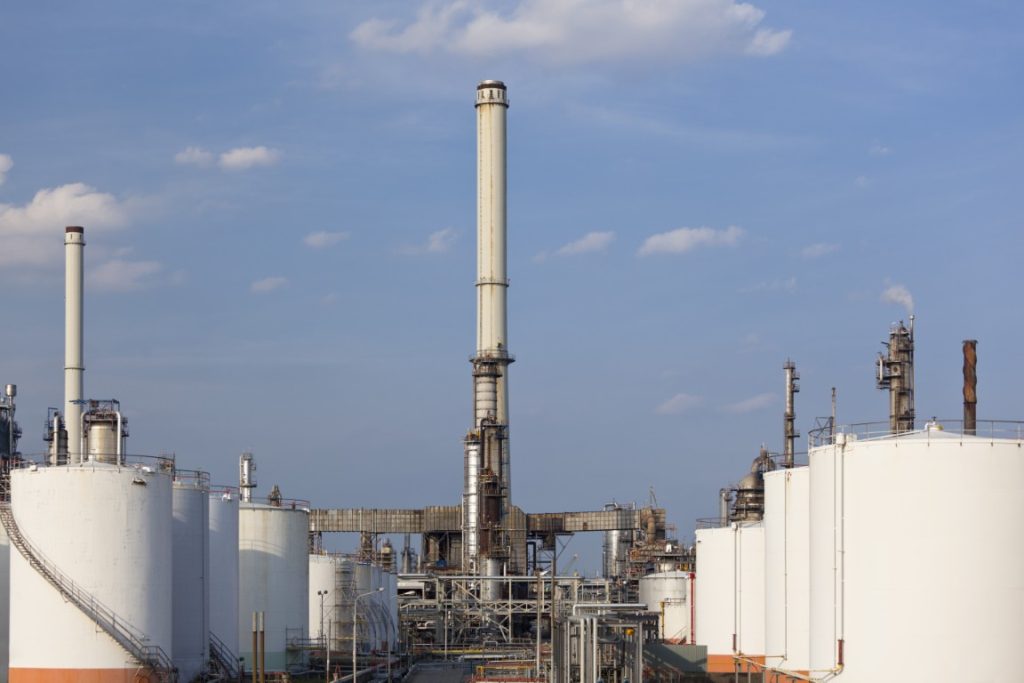
Cement plant emissions are a mix of gases, vapors and fine particulate matter, and effective contaminant removal depends on identifying which pollutants are present at each process point. In practice, the challenge is rarely “one filter for everything.” It is usually a combination of dust control, gas treatment and targeted adsorption for specific contaminants such as hydrogen sulfide, sulfur oxides, acid gases, organic vapors and mercury or other heavy metals when they are present. The right solution starts with process data, not assumptions.
For plant teams responsible for kilns, raw mills, clinker handling, fuel preparation, waste-derived fuels, bypass systems or odor complaints from auxiliary operations, the objective is to reduce pollutant load in a technically controlled way. That means separating particles from gases, distinguishing adsorption from absorption, and selecting treatment stages based on flow, temperature, humidity and contaminant concentration. For a broader view of available gas-treatment technologies, see industrial gas treatment solutions.
What contaminant removal means in cement plant emissions
In cement production, emissions can originate from high-temperature process steps and from supporting operations such as raw material storage, alternative fuel handling, packaging, wastewater treatment or waste management areas. The contaminant profile may change across the site, so a single control strategy is often insufficient.
It helps to separate the main pollutant groups:
- Particulate matter: dust from raw materials, clinker, kiln bypass, material transfer and grinding.
- Acid gases: compounds such as hydrogen chloride (HCl), hydrogen fluoride (HF) and sulfur oxides, depending on fuel and raw mix conditions.
- Reduced sulfur compounds: especially hydrogen sulfide in some ancillary streams, wastewater areas or waste handling zones.
- Organic vapors: volatile organic compounds (VOCs) from fuels, coatings, solvents, maintenance activities or nearby industrial interfaces.
- Persistent pollutants: dioxins, furans and certain metals in specific process contexts, particularly where alternative fuels or contaminated inputs are involved.
Not every cement plant emits all of these pollutants, and not every emission point requires the same technology. The key is to map the contaminant, then match the treatment principle. Dust collectors address particles. Adsorbent systems address gases and vapors. Wet scrubbing may absorb some soluble gases, but it is not the same as adsorption and it is not a universal answer.
Particles, gases and vapors: why the treatment method matters
One of the most common engineering mistakes is treating all emissions as if they were the same. They are not. A baghouse or cartridge collector is designed for particles. An adsorption system uses a solid adsorbent, often carbon-based or specialty impregnated, to capture gaseous contaminants on the surface or within the pore structure of the material. Absorption, by contrast, transfers contaminants into a liquid phase, usually in a scrubber.
This distinction matters because cement plants often face combined streams. A dusty off-gas can blind a gas filter if particles are not removed first. High humidity can reduce adsorption capacity for some contaminants. Acid gases may compete with VOCs for active sites on the adsorbent medium. Temperature can change both contaminant chemistry and the performance of the treatment train.
Typical process combinations include:
- Pre-filtration or dedusting to protect downstream gas treatment equipment.
- Adsorption beds or modular filters for VOCs, odor compounds, hydrogen sulfide and selected acid gases.
- Specialty media selected for particular contaminants such as mercury, dioxins, furans or acidic vapors, where technically justified.
- Scrubbing or neutralization where a soluble gas must be transferred into a liquid and managed separately.
When evaluating a site, the first question is not “which product?” but “which contaminant form?” Particles behave differently from vapors, and vapors behave differently from reactive gases. A system designed for one will not automatically solve the other.
Which cement plant emission sources usually need targeted treatment?
Contaminant removal strategies are most effective when focused on specific emission points rather than the whole plant at once. In cement operations, the following sources are often reviewed during an engineering assessment.
Kiln and clinker-related streams
Kiln systems can contain high dust loads, acid gases, sulfur compounds and, depending on the fuel mix and raw materials, trace organics or metals. Bypass gases and abnormal operating conditions may require special attention because they can carry concentrated pollutant peaks. These streams are usually not suitable for casual “one-size-fits-all” treatment decisions.
Raw mills, crushers and material transfer points
These points are mainly particulate challenges, but they can also generate nuisance emissions and odor when moisture, recycled materials or contaminated dust are involved. The selection of filtration equipment depends on particle size distribution, dust load and process interruptions. Where emissions include volatile compounds, the system may need both dust removal and a downstream gas-treatment step.
Alternative fuels, waste-derived fuels and storage areas
Cement plants increasingly handle materials that can introduce more complex contaminants. These may include VOCs, acid gases, hydrogen sulfide or persistent organic pollutants, depending on the input stream and storage conditions. Odor control is often important here, but odor itself is only a signal that some volatile compounds may be present; it is not a reliable measurement method.
Wastewater, sludge, and ancillary treatment areas
Auxiliary systems sometimes generate contaminated air streams rich in hydrogen sulfide, ammonia, VOCs or odor compounds. These emissions are not always part of the kiln line, but they can still affect workforce conditions and neighboring areas. For these streams, targeted adsorption is often considered after the process gas has been evaluated for temperature, humidity and contaminant concentration.
How adsorption systems help with pollutant control
Adsorption is a surface-based process. Gas molecules attach to the surface of a solid adsorbent medium, which may be activated carbon or another engineered material selected for the contaminant involved. It is widely used when the target pollutants are present at low to moderate concentrations, when the stream is too variable for simple reagent dosing, or when a compact treatment stage is needed after pre-filtration.
For cement plant emissions, adsorption can be relevant for:
- VOC control from solvent-bearing or hydrocarbon-containing streams.
- Odor reduction in auxiliary areas where nuisance emissions affect operations.
- Hydrogen sulfide removal in suitable gas streams.
- Selected acid gas polishing where process conditions and media selection support it.
- Capture of certain persistent compounds or metals when a specialized adsorbent is required.
However, adsorption has limits. High dust loading can block access to the adsorbent surface. Excess moisture can reduce capacity for some compounds. Very high concentrations may require a different process stage, a larger system, or staged treatment. A solid adsorbent does not replace process source control, and it does not remove every contaminant in every situation.
For biogas-related streams at cement sites that use digestion, wastewater treatment or anaerobic residues, contaminant removal should also be separated from methane enrichment. Removing hydrogen sulfide, siloxanes or VOCs improves gas quality and protects equipment, but it is not the same as increasing methane concentration through upgrading. Those are different objectives and need different process designs.
Bionatur, based in Barcelona, works in industrial gas filtration and pollutant-specific treatment, including adsorption systems for VOCs, hydrogen sulfide, sulfur dioxide, HCl, HF, dioxins, furans and heavy metals. In projects where an adsorbent-based solution is selected, the technical review is centered on contaminant type, flow, loading and operating conditions rather than on a generic product claim.
What information is needed before proposing a treatment system?
A proposal for contaminant removal from cement plant emissions should be built from real process data. Without it, media selection and equipment sizing are speculative. The following checklist is usually the minimum needed for a sound technical proposal:
- Emission point identification: kiln, bypass, fuel handling, storage, wastewater, odor control, or another source.
- Contaminant list: dust, VOCs, hydrogen sulfide, SO2, HCl, HF, ammonia, siloxanes, metals or other compounds.
- Gas flow profile: average flow, peak flow, batch operation or continuous duty.
- Temperature and humidity: inlet conditions and expected variation across shifts or seasons.
- Concentration range: approximate inlet loading, variability and whether spikes occur during start-up or upset conditions.
- Particle burden: if present, dust loading and whether a pre-filter stage is already in place.
- Space and layout constraints: indoor/outdoor installation, access, duct routing and maintenance access.
- Safety and materials compatibility: corrosion risk, condensation potential, ATEX or other site-specific requirements where applicable.
- Operating objective: odor reduction, equipment protection, emissions control, or a combination of goals.
- Spent material handling: expected management route for used adsorbent or other captured materials.
These data points allow engineers to determine whether the stream needs dust removal first, whether adsorption is technically appropriate, and whether a modular filter, a packed bed or another arrangement is more suitable. They also help prevent under-sizing, premature media saturation or avoidable pressure drop.
Where a client is evaluating the BR350, the important point is not to assume compatibility from the model name alone. Suitability depends on the actual pollutants, flow, loading, temperature, humidity and the broader process context. That is standard good practice for any industrial gas-treatment selection.
Engineering and maintenance considerations for reliable operation
Once the right treatment concept is selected, day-to-day performance depends on operating discipline and maintenance planning. In cement environments, that means anticipating dust, temperature swings, intermittent operation and potential contamination from process upsets.
Useful engineering considerations include:
- Pre-filtration to prevent particulate carryover from shortening adsorbent life.
- Condensation control so moisture does not impair adsorption or damage the system.
- Corrosion-resistant construction where acid gases or humid condensable vapors are present.
- Monitoring strategy using process indicators, pressure drop and outlet checks appropriate to the contaminant profile.
- Changeout planning for the adsorbent medium based on verified performance data rather than fixed assumptions.
- Spent material management with a defined route for safe handling, transport and disposal or regeneration where allowed and technically appropriate.
Maintenance teams should avoid relying on odor as a trigger for safety or performance verification. Some hazardous gases may be present at levels below the odor threshold, and odor intensity does not correlate reliably with concentration. Likewise, internal adsorbent inspection should not be treated as routine field practice unless the system is designed for safe access and the plant’s procedures specifically allow it.
For sites needing a complete scope, Bionatur’s integral service can cover assessment, engineering, supply, installation, commissioning, maintenance, media replacement and management of spent materials. That end-to-end approach is useful when the emission point is complex or when internal teams need a single technical path from diagnosis to operation.
FAQ
Is activated carbon always the right solution for cement plant emissions?
No. Activated carbon and other adsorbent media are effective for many gases and vapors, but not for every contaminant or every process condition. Dust, very high moisture, extreme temperatures or high inlet concentrations may require pre-treatment or a different control strategy.
What is the difference between odor control and contaminant removal?
Odor control targets nuisance perception, while contaminant removal targets specific pollutants such as hydrogen sulfide, VOCs or acid gases. Odor may indicate a problem, but it is not a measurement method and should not be used to verify filter performance.
Can one system treat dust, VOCs and hydrogen sulfide together?
Sometimes, but only if the system is designed for the actual mixture and the dust burden is controlled. Often, a combination of pre-filtration and downstream adsorption is needed. The correct arrangement depends on the gas composition, temperature, humidity and flow profile.
How do we know whether the BR350 is appropriate for our plant?
A technical review is needed. The key inputs are contaminant type, concentration range, flow, temperature, humidity, site layout and operating pattern. Only then can suitability be assessed responsibly.
Do gas-treatment systems for cement plants need regular media replacement?
Yes, in most applications the adsorbent medium has a finite service life and should be managed based on measured performance and operating conditions. Replacement timing should be determined from process data, not from a fixed schedule alone.
If you are evaluating contaminant removal from cement plant emissions, the best next step is a technical assessment based on actual process conditions, not assumptions. A properly defined emission profile will show whether adsorption, pre-filtration or another treatment stage is the right fit.