
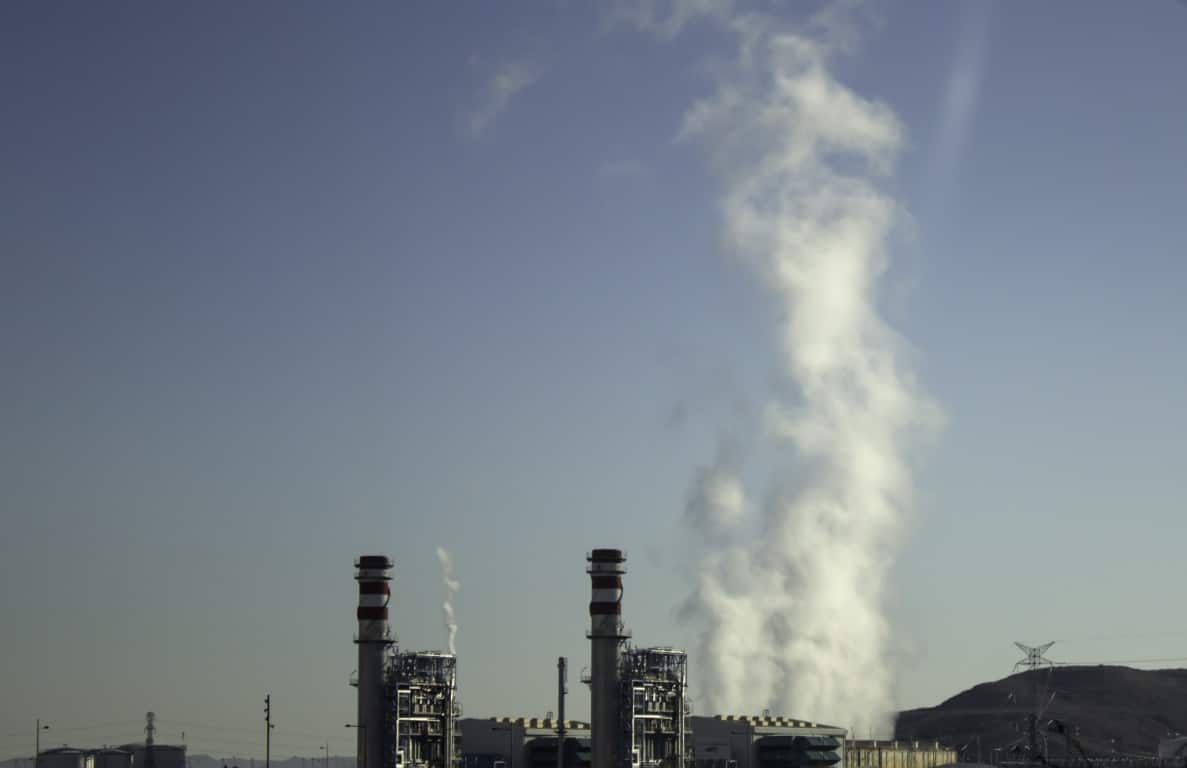
Gas filtration for pharmaceutical manufacturers in Madrid is usually about controlling airborne contaminants at the point where they are created, before they spread through the plant, affect product quality, or reach the atmosphere through exhaust systems. In pharmaceutical operations, the problem is often not a single gas but a mix of process vapors, acid gases, odor compounds, solvent traces, and sometimes H2S or other reduced sulfur compounds from utilities or wastewater handling. The right treatment approach depends on what is actually in the stream, how it is generated, and how the gas behaves under real operating conditions.
For plant teams in Madrid, the practical goal is not simply “install a filter.” It is to define the gas stream, identify the target pollutants, and select a treatment system that fits flow rate, temperature, humidity, loading, and maintenance strategy. In many projects, adsorption with a solid adsorbent is the most relevant concept, but it is not the same as absorption, and it is not a universal solution. The proposal needs process data first, then engineering, then equipment selection.
Bionatur, based in Barcelona, works in industrial gas filtration and pollutant-specific treatment for streams containing VOCs, H2S, SO2, HCl, HF, dioxins, furans and heavy metals. For pharmaceutical manufacturers, that kind of focused approach matters because the source gas may come from reactors, solvent recovery, drying, waste handling, tank vents, or ancillary systems rather than from one central stack. Where appropriate, the company also supports integrated service from assessment through maintenance and spent material management, and its industrial gas treatment solutions are relevant when the design must be matched to specific contaminants rather than a generic air-cleaning target.
What pharmaceutical gas filtration must solve
Pharmaceutical plants rarely emit one simple pollutant profile. A single site can generate multiple gas streams with different compositions and conditions. Solvent vapors may come from synthesis, blending, coating, cleaning, or drying. Acid gases can appear from chemical reactions, pH correction, or neutralization steps. Odor compounds may arise from wastewater, waste storage, or auxiliary treatment systems. Some facilities also need control of H2S, ammonia, or chlorinated vapors from utility and environmental equipment.
The first technical question is whether the system must treat:
- VOC vapors from solvents, process vents, or purge gas
- Acid gases such as HCl, HF or SO2
- Reduced sulfur compounds, including H2S
- Odor-bearing exhaust from waste or wastewater operations
- Special pollutants such as dioxins, furans or heavy metals, where applicable
It is important to separate gases from particles. A gas filtration system may be paired with particulate control, but gas treatment itself targets molecules in the vapor phase. If the stream contains dust, mist, or entrained droplets, those must be addressed with suitable upstream separation so the adsorbent medium is not overloaded or blocked by non-gaseous material.
Another key distinction is between treating process exhaust and treating ambient air inside production areas. These are not the same problem. Process exhaust from vents and stacks is usually more suitable for engineered gas treatment because the stream is defined and measurable. Room air contamination often requires source capture or ventilation redesign before any filter can work effectively.
Adsorption, absorption, and why the difference matters
In industrial gas treatment, adsorption means pollutants attach to the surface of a solid adsorbent. Absorption means the contaminant is taken into the bulk of another material, often a liquid. The distinction matters because the two methods behave differently under temperature, humidity, contaminant loading, and maintenance conditions.
Activated carbon is the best-known adsorbent medium, but the term should not be used as if it were a universal remedy. Carbon can be effective for many VOCs and odor compounds, yet performance depends on molecular weight, polarity, concentration, residence time, and the presence of competing vapors. Some compounds are poorly captured by standard grades. In other cases, a chemically treated carbon or another adsorbent is more appropriate.
For acid gases and certain reactive pollutants, the media selection may need to account for chemisorption or impregnation chemistry. That is still a form of adsorption-based treatment, but it is not the same as simply passing gas through generic carbon. The wrong medium may saturate quickly, create excessive pressure drop, or fail to control the target contaminant for the required operating period.
Humidity is another major factor. Water vapor competes with some pollutants for adsorption sites and can reduce capacity. However, very dry gas can also influence the behavior of some compounds differently. This is why gas-treatment proposals should never be based on the pollutant name alone. The supplier needs real process data, not just a list of target gases.
It is also important not to confuse gas treatment with biogas upgrading. Removing H2S, siloxanes, or other contaminants from biogas improves gas quality and protects engines, burners, and downstream equipment, but it is not the same as CO2 separation or methane enrichment. Contaminant removal can be a valuable first step in biogas conditioning without claiming that the system upgrades the gas to biomethane on its own.
Typical pharmaceutical sources in Madrid plants
Madrid pharmaceutical facilities can include batch production, formulation, packaging support, utilities, warehouses, laboratories, and waste handling areas. The emissions profile depends on the process type and site layout. The most common source points for gas filtration projects are usually process vents, solvent recovery systems, tank breathing lines, waste treatment exhaust, and thermal or chemical abatement upstream or downstream of process equipment.
Examples of sources that often need review include:
- Reactor vents during synthesis or cleaning operations
- Dryer exhaust carrying solvent vapor
- Tank vents from storage or transfer points
- Laboratory or pilot plant exhaust streams
- Wastewater equalization or treatment exhaust
- Waste storage and handling areas where odor compounds can develop
- Utility systems handling gases that contain H2S, SO2, or acid vapors
These streams may appear intermittent, batch-based, or variable over time. That variability affects filter design as much as concentration does. A system sized only for peak concentration but not for flow variation may underperform. Conversely, a system sized only for average conditions may saturate too quickly during peak loads.
For pharmaceutical manufacturing, another issue is operational continuity. Filter systems should be compatible with plant maintenance windows, clean working practices, and the site’s expectations for containment of spent material. If the process is sensitive, the filtration concept should also minimize the risk of cross-contamination, byproduct release, and unwanted back-pressure on the source equipment.
How to assess the right filtration concept
The most useful supplier selection criteria are technical, not promotional. For a proposal to be meaningful, the engineering team should provide data that defines the stream and the duty. A good assessment usually starts with a site review and a structured data request.
Practical checklist for proposal preparation:
- Gas composition: identify target pollutants and likely interfering compounds, including VOCs, H2S, SO2, HCl, HF, odor compounds, or special contaminants such as siloxanes where relevant
- Flow rate: provide average, peak, and batch flow, plus expected operating schedule
- Temperature and humidity: include normal and worst-case conditions
- Pressure conditions: define available fan pressure, vacuum, or process pressure
- Concentration range: give expected inlet loading, even if approximate
- Particle or mist content: note whether prefiltration or knockout separation is needed
- Safety constraints: indicate flammability, corrosivity, or hazardous area considerations
- Operating mode: continuous, intermittent, batch, standby, or seasonal use
- Maintenance access: explain available space, access limitations, and shutdown windows
- Spent material handling: describe how exhausted adsorbent or reactive media should be removed and managed
This information helps the engineer decide whether the right answer is a carbon adsorption unit, a chemically treated adsorbent bed, a multi-stage system, or a different pollutant-specific treatment. In some cases, more than one stage is required: for example, pre-separation of droplets, then adsorption for vapor control, then polishing if the exhaust stream changes over time.
Selection should also consider whether the pollutant is easy to capture but hard to desorb, or whether it may react with the media. Certain acid gases and sulfur compounds behave differently from neutral organics. That is one reason why “carbon” should never be treated as a generic synonym for gas treatment. The media must fit the chemistry, not just the category.
If a site has existing control equipment, the proposal should evaluate whether the new system will work upstream or downstream of the current abatement train. For example, a solvent-rich vent may need condensation or process recovery first, while a low-concentration odor stream may be better suited to adsorption as a final polishing step. Good engineering begins with the emission source, not with the equipment catalog.
Operational factors that affect performance and maintenance
Once the treatment concept is chosen, the real-world operating conditions determine whether it will perform as expected. Temperature, humidity, pollutant variability, and inlet loading can all reduce adsorbent life or change pressure drop over time. Maintenance teams should therefore treat monitoring as part of the system, not as an afterthought.
Useful operating considerations include:
- Monitoring inlet and outlet conditions to detect changes in pollutant loading or breakthrough risk
- Tracking differential pressure to identify fouling, channeling, or upstream particulate issues
- Reviewing operating logs for batch events, cleaning cycles, or seasonal changes that alter emissions
- Planning media replacement based on actual exhaustion behavior rather than a fixed assumption alone
- Managing spent material safely according to its contamination profile and site procedure
It is not appropriate to rely on odor alone to judge H2S performance or system safety. Some hazardous gases are detectable at very low levels, while others can be present without obvious smell. Performance should be assessed with proper process monitoring and maintenance records, not human perception.
Humidity and temperature deserve special attention in pharmaceutical plants because they often change with process cycles. A dryer exhaust may look stable during one shift and very different during another. If the gas stream contains solvent vapor and water vapor together, the adsorption profile can change materially. A robust design accounts for that range rather than one snapshot in time.
Another operational point is compatibility with plant hygiene and containment practices. Maintenance access should allow media replacement and service without unnecessary exposure or process disruption. Bionatur’s integrated service model, when used on suitable projects, can include engineering, supply, installation, commissioning, maintenance, media replacement and management of spent materials. Those steps are especially relevant when the plant needs one coordinated treatment package rather than separate contractors for each phase.
Where BR350 fits, and where the evidence must guide the choice
BR350 is Bionatur’s priority filter, so it is natural for buyers to ask whether it is the right choice for a pharmaceutical gas stream in Madrid. The correct answer is that suitability must be verified against the actual process conditions. The deciding factors are the pollutants present, concentration, flow, temperature, humidity, and any special operating constraints. Without that data, no responsible supplier should claim compatibility.
What can be said with confidence is that a filter in this class should be evaluated like any other industrial gas-treatment unit: by the contaminant profile and the engineering duty. The question is not whether the model name sounds appropriate, but whether the treatment principle, adsorbent medium, and system layout match the emission source.
That distinction is especially important for pharmaceutical applications where the stream may include:
- Solvent vapors with fluctuating loading
- Odor compounds from waste or wastewater areas
- Acid gases from chemical handling or auxiliary systems
- Mixed contaminants that require staged treatment
If the source gas is unsteady or chemically aggressive, the proposal may need a specific adsorbent grade or a multi-stage arrangement. If the stream includes moisture, droplets, or particulate matter, upstream conditioning may be needed before adsorption. If the gas contains compounds that standard carbon does not capture efficiently, a different medium or hybrid approach may be more appropriate. The product name alone does not answer those questions.
For that reason, the best next step is usually a technical assessment, not a catalog comparison. A good assessment will confirm whether BR350 is suitable, whether another configuration is better, or whether the site needs a broader gas-treatment strategy.
FAQ
Is gas filtration in pharmaceutical plants mainly for odor control?
No. Odor can be one symptom, but pharmaceutical gas filtration is often needed to control VOCs, acid gases, H2S, solvent vapors, and other pollutants that affect product quality, worker exposure, equipment, or emissions handling.
Can activated carbon treat every gas from a pharmaceutical process?
No. Activated carbon is effective for many vapors and odor compounds, but it is not universal. Performance depends on the pollutant chemistry, concentration, humidity, temperature, and process variability. Some applications need chemically treated adsorbents or a multi-stage system.
How is biogas contaminant removal different from methane enrichment?
Biogas contaminant removal focuses on gases such as H2S, siloxanes, or moisture that can damage equipment or reduce gas quality. Methane enrichment is a separate upgrading step that changes the gas composition by separating CO2 and increasing methane concentration. They are related but not the same process.
What data should a Madrid plant provide for a filtration proposal?
At minimum: the target pollutants, flow rate, temperature, humidity, inlet concentration range, operating schedule, presence of dust or mist, pressure conditions, safety constraints, and maintenance expectations. Better data leads to a more reliable technical proposal.
Does Bionatur only supply equipment, or can it support the full project?
Bionatur supports industrial gas filtration projects with assessment, engineering, supply, installation, commissioning, maintenance, media replacement and management of spent materials, where those services are relevant to the application.
If you are evaluating gas filtration for a pharmaceutical plant in Madrid, request a technical assessment based on your actual process data. A defined pollutant profile is the fastest way to determine the right treatment path.
