


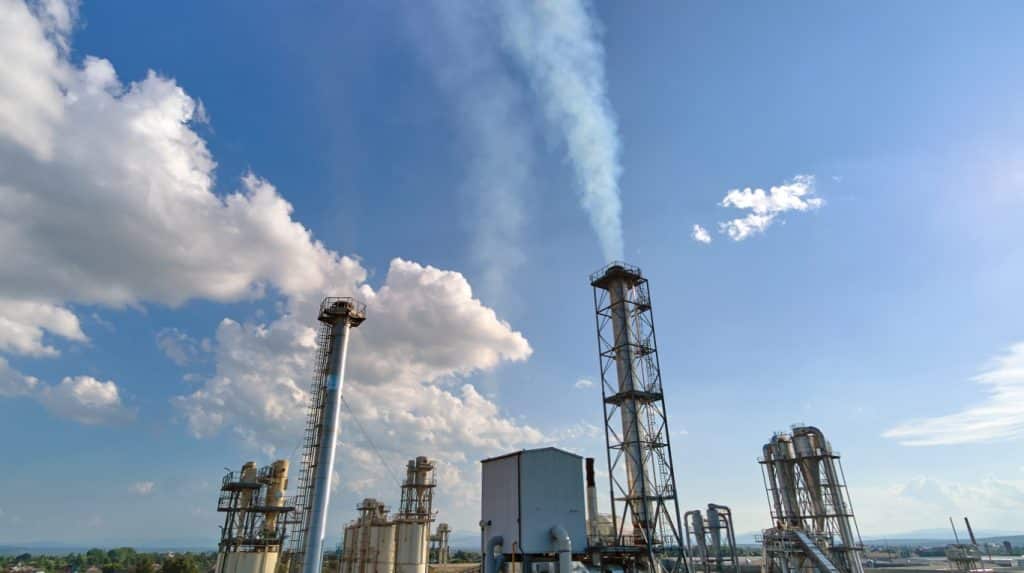
Chemical plants in Lyon and the surrounding industrial corridor often face a mixed gas treatment challenge: VOCs from reactors and storage, acid gases from scrubbing or neutralization steps, odors from handling areas, and sometimes combustion-related pollutants from thermal processes. The right treatment system is not chosen by name alone. It depends on the gas composition, flow rate, temperature, humidity, dust load, corrosion risk, and how stable the emissions are over time.
For plant engineers and environmental managers, the practical question is simple: how do you define a gas treatment solution that protects workers, supports environmental objectives, and fits the process without overengineering it? In chemical production, the answer usually starts with identifying whether the stream needs particle removal, adsorption, chemical neutralization, or a combination of these approaches. That distinction matters because gases and particles behave differently, and no single technology is universal.
In this context, Bionatur Air Filters supports industrial gas filtration and pollutant-specific treatment for complex emissions. For projects involving chemical plants, the focus is on the pollutant profile first and the equipment second. If you need a structured starting point, see industrial gas treatment solutions for the type of systems typically considered in these applications.
What gas treatment must solve in chemical plants
Chemical plants rarely emit just one contaminant. A single extraction point can carry a combination of VOCs, acid gases, vapor, aerosols, and entrained dust. The treatment objective is therefore not only odor reduction, but also corrosion control, emission abatement, and safer discharge or downstream handling.
Typical pollutant groups include:
- VOCs from solvents, intermediates, coatings, resins, and cleaning operations.
- Acid gases such as hydrogen chloride, hydrogen fluoride, sulfur dioxide, and hydrogen sulfide, depending on the process.
- Odorous compounds from raw materials, byproducts, tanks, and wastewater interfaces.
- Heavy metals and contaminated dust in some thermal or metallurgical-linked chemical processes.
- Specialty compounds such as dioxins and furans in specific high-temperature or contaminated streams.
The first design mistake is to treat all of these as if a single device can handle them equally well. Gas filtration removes particulate matter; adsorption captures target molecules on an adsorbent medium; wet systems absorb or neutralize soluble contaminants through contact with a liquid. These are different mechanisms, and they are selected for different reasons.
Another common mistake is to assume that odor intensity reflects actual risk. Odor can be a useful operational signal, but it is not a reliable way to assess hydrogen sulfide concentration, process safety, or filter performance. Instrumental data is needed.
How to choose the right treatment route
For a chemical plant in Lyon, the best solution usually begins with a process review rather than a product catalog. The supplier needs enough data to understand what the gas stream contains and how it changes during operation. That is what determines whether a filtration stage, adsorption stage, combined train, or upstream conditioning step is required.
One practical checklist for proposal preparation
- Pollutant list: identify the expected compounds or compound families, including VOCs, hydrogen sulfide, sulfur dioxide, hydrogen chloride, hydrogen fluoride, and any trace compounds of concern.
- Concentration range: provide typical and peak concentrations, even if approximate, and note start-up, upset, or batch peaks.
- Flow rate: specify the gas volume flow and whether it is continuous, intermittent, or highly variable.
- Temperature and humidity: include normal and maximum operating conditions, since both strongly affect adsorption behavior and corrosion risk.
- Particle or aerosol load: note whether dust, mist, or sticky condensable material is present upstream of the treatment stage.
- Process origin: describe where the stream comes from, such as reactors, tank vents, transfer points, scrubbers, dryers, wastewater systems, or thermal units.
- Operating profile: explain if the stream is steady or batch-based, and whether shutdowns, cleaning cycles, or process upsets create spikes.
- Space and utilities: indicate available footprint, pressure drop constraints, fan arrangement, and access for maintenance.
- Discharge objective: define whether the goal is odor control, pre-treatment before another unit, pollutant abatement before release, or protection of downstream equipment.
This information is more useful than a general request for “a carbon filter.” Activated carbon can be effective for many compounds, but the correct carbon grade, bed configuration, and service strategy depend on the actual gas stream. For example, a stream dominated by VOCs is not treated in the same way as a stream with acid gas, high humidity, and condensable vapor.
Humidity deserves special attention. Water vapor can reduce adsorption capacity for certain compounds, increase pressure drop if condensation forms, and change the way an adsorbent bed behaves over time. High temperature can also shorten adsorption life or require a different design approach. These factors are often more decisive than the nominal pollutant name.
Adsorption, filtration and absorption: what each one does
In industrial gas treatment, the choice of mechanism should match the contaminant. That sounds obvious, but in practice the terms are often used loosely. For a technically sound proposal, the supplier should separate the functions clearly.
- Filtration is used to remove solid particles, dust, and sometimes liquid droplets. It does not remove dissolved or gaseous pollutants by itself.
- Adsorption captures molecules on the surface of a solid adsorbent medium such as activated carbon or specialized media formulated for particular compounds.
- Absorption transfers gaseous pollutants into a liquid phase, often with a chemical reaction or neutralization step.
- Combined treatment may be needed when the stream contains both aerosols and target gases, or when preconditioning is required before adsorption.
In chemical plants, a gas stream can contain both droplets and vapor. If the aerosol load is not managed first, the adsorbent bed may foul or age faster than expected. This is one reason process data is critical: the same contaminant name can behave differently depending on whether it is dry, humid, hot, acidic, or mixed with mist.
For acid gases, a chemical adsorption or neutralization approach may be more appropriate than generic carbon alone. For VOCs and odors, activated carbon is often considered, but it is not a universal solution. Some compounds are poorly adsorbed, some are influenced by humidity, and some require pre-treatment or a specially selected adsorbent.
Where particulate matter is also present, gas filtration protects the adsorbent stage and helps stabilize performance. In other words, the train is often as important as the media. A correct sequence can extend maintenance intervals and make performance more predictable, while a poor sequence can make the same media look ineffective.
Biogas, wastewater and utility streams in chemical sites
Although the main focus in chemical plants is often process off-gas, support systems can generate their own treatment needs. Wastewater equalization tanks, sludge handling areas, and utility vents may release odor, hydrogen sulfide, ammonia, or mixed VOCs. These streams are frequently lower in flow but highly variable in composition.
For biogas-related applications, it is important to distinguish between two different objectives:
- Contaminant removal to reduce H2S, siloxanes, VOCs, moisture-related issues, and other impurities that can affect equipment and emissions handling.
- Methane enrichment or CO2 separation, which is a different process entirely and requires another design logic.
Removing contaminants from biogas can improve gas quality and protect downstream equipment, but it is not the same as upgrading biogas to biomethane. Likewise, siloxane management is a separate technical concern. Siloxanes can form deposits during combustion and may require specific adsorbent selection or staged treatment. The correct carbon grade or adsorbent medium depends on what the gas actually contains, not on the label “biogas” alone.
In wastewater and waste-related units, the gas stream is often wetter and more variable than expected. That makes condensate control, corrosion resistance, and correct media selection especially important. The same applies to mixed utility networks where a vent line may carry occasional spikes rather than a constant load.
For operators managing energy recovery or waste treatment alongside chemical production, the lesson is consistent: define the contaminants, the variability, and the operating temperature before selecting a technology. A treatment system built for stable solvent vapor may not perform the same way on a wet, intermittent, hydrogen sulfide-bearing stream.
What industrial buyers should expect from a serious supplier
A professional supplier should not begin with a standard box. It should begin with assessment, engineering, and a realistic reading of the gas stream. That is especially true for technically demanding sites where emissions, maintenance access, and process continuity all matter.
Bionatur’s approach to industrial gas filtration and pollutant-specific treatment is centered on that sequence: assessment, design, supply, installation, commissioning, maintenance, media replacement, and management of spent materials. For chemical plants, that integrated service model is useful because the treatment train may include more than one stage and because long-term operation often matters as much as initial installation.
When evaluating a supplier, ask whether it can clearly answer the following:
- Which pollutants are targeted by each stage?
- What upstream conditions are required for stable operation?
- How are pressure drop, humidity, and temperature handled in the design?
- What monitoring points are recommended for operation and maintenance?
- How will spent adsorbent or other exhausted materials be managed?
- How is the system adapted when the gas composition changes with batch production or seasonal conditions?
These questions matter because a gas treatment solution should fit the site, not the other way around. A well-structured proposal will explain the limits of the chosen technology, where pre-treatment is needed, and which assumptions must be verified before final sizing.
The BR350 should be considered in that same disciplined way. It is one of the client’s priority filters, but suitability still depends on pollutants, flow, loading, temperature, humidity, and actual process conditions. No responsible selection should be based on model name alone. For an industrial buyer, the right question is not “Is BR350 a universal answer?” but “Does the verified process data support this configuration for this stream?”
Installation, operation and maintenance without guesswork
Once the treatment route is defined, installation quality becomes critical. Poor ducting, leak points, bypasses, or incorrect placement of pre-filtration can undermine even a well-designed system. Commissioning should confirm that airflow, pressure drop, and control settings match the design assumptions.
During operation, the maintenance team should monitor the indicators that are relevant to the technology in place. For adsorption systems, this may include breakthrough risk, pressure drop trends, and process conditions that influence media loading. For filtration stages, differential pressure and dust accumulation are important. For combined systems, the relationship between stages matters more than any single parameter.
It is generally a mistake to wait for obvious odor or visible process changes before acting. At that point, the adsorbent bed or filter stage may already be under stress. Monitoring should be based on measured process conditions and maintenance records, not on smell, visual assumptions, or informal checks of internal media.
Spent adsorbent or other exhausted materials also need a proper end-of-life pathway. Industrial buyers should clarify how replacement is handled, how waste is classified, and whether special handling is needed for contaminated media. This is part of the total operating plan, not an afterthought.
For plants with batch processes, the maintenance strategy should also consider peak loads rather than only average conditions. A stream that is moderate most of the day may still overload a treatment stage during charging, cleaning, or start-up. That is one of the main reasons a technically accurate proposal must include operating profile data.
FAQ
Can activated carbon solve every gas problem in a chemical plant?
No. Activated carbon is useful for many VOC and odor applications, but it is not universal. Its performance depends on the pollutant, humidity, temperature, concentration, and whether the stream contains aerosols, acid gases, or condensable vapor. Some applications need pre-filtration or a different treatment mechanism.
Why is humidity so important in gas treatment?
Humidity can change adsorption behavior, promote condensation, increase pressure drop, and reduce media life in some applications. In wet or variable streams, this is often one of the key design factors.
Is biogas contaminant removal the same as methane enrichment?
No. Contaminant removal focuses on impurities such as hydrogen sulfide, siloxanes, moisture, and VOCs. Methane enrichment or CO2 separation is a different upgrading process and requires a different design approach.
What information is needed before requesting a proposal?
The most useful data are pollutant list, concentration range, flow rate, temperature, humidity, particle or mist load, process origin, operating profile, available space, and the treatment objective. These parameters allow a supplier to propose a realistic configuration.
How should a plant judge whether a treatment system is working?
By measured process data, not by odor alone. Monitoring should focus on the relevant operating indicators for the installed technology and on the actual process conditions over time.
If you are planning gas treatment for a chemical plant in Lyon, the next step is a technical assessment based on your real process data. That is the best way to determine the right treatment route and whether a solution such as BR350 belongs in the design.