


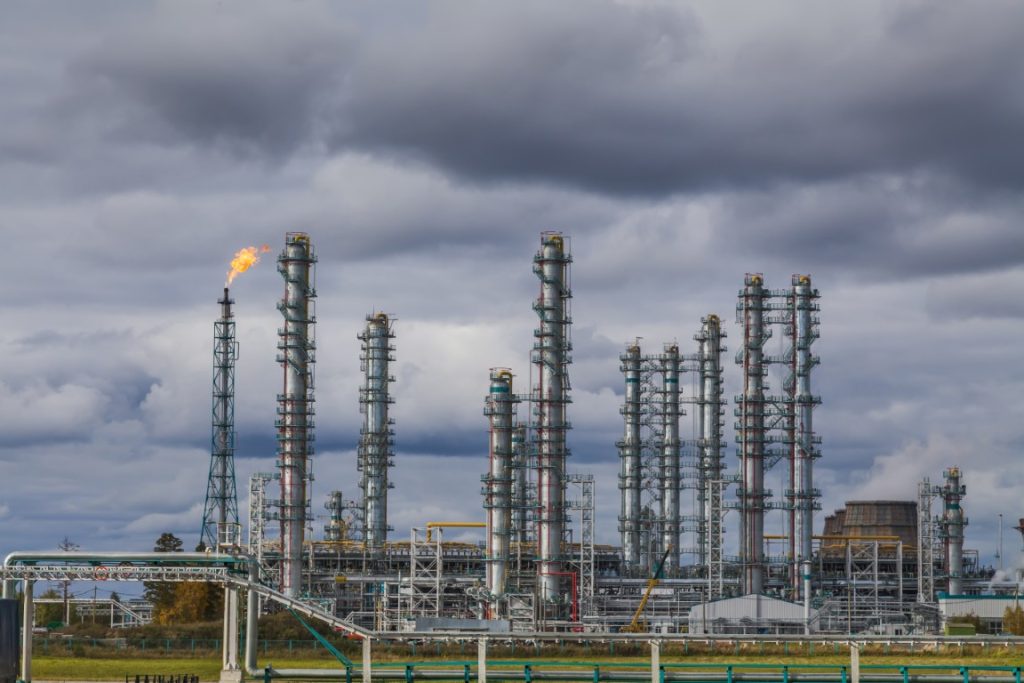
Ceramic kiln exhaust can contain hydrogen fluoride (HF) because fluoride-bearing materials, glazes, frits, clays, additives, or fuels can release fluorine compounds during firing. For plant teams, the practical question is not whether HF can be present, but how to remove it reliably from the exhaust stream without creating new operational problems. The answer depends on the gas temperature, moisture level, particulate load, flow rate, and how the kiln is operated. In many plants, HF control is handled with a combination of gas cooling, particulate removal, and a dedicated gas-treatment step based on adsorption or other reagent-based chemistry.
HF removal from ceramic kiln exhaust is not the same as filtering dust. HF is a gaseous acid component, so a bag filter or cyclone alone will not address it unless the process also includes the right chemical treatment. That distinction matters when defining a proposal, sizing equipment, and deciding what kind of maintenance plan is realistic.
For manufacturers seeking industrial gas treatment, Bionatur’s industrial gas treatment approach is relevant where the process requires pollutant-specific control rather than a generic dust collector. The correct technology must be matched to the actual exhaust composition, and for HF that means understanding the full kiln exhaust profile before choosing a treatment line.
Why HF forms in ceramic kiln exhaust
Hydrogen fluoride is produced when fluorine-containing raw materials or impurities are heated in the kiln. It can appear in exhaust from ceramic tile, sanitary ware, tableware, technical ceramics, and related firing operations. The gas may be present alongside dust, acid gases, water vapor, and other combustion products. In some plants, exhaust conditions also vary by firing cycle, product recipe, and the use of abatement or recirculation systems.
HF is important because it is corrosive and can damage ducts, fans, and downstream equipment if materials of construction are not selected properly. It can also contribute to visible process issues such as deposits or fouling when it interacts with moisture and particulates. The exact risk depends on concentration, temperature, humidity, and residence time in the ducting, not on a single plant-wide rule.
Two technical points are often overlooked:
- HF is a gas, not a dust problem. Particle capture can reduce loading, but it does not by itself remove gaseous HF.
- Water vapor changes performance. Moisture can affect both corrosion behavior and the performance of some treatment media and reagent systems.
Because kiln exhaust is variable, a successful system usually starts with a process review rather than a catalog selection.
What actually removes HF: adsorption, neutralization, and process conditioning
For HF control, the core treatment mechanisms are usually chemical rather than purely mechanical. In industrial gas treatment, adsorption means the pollutant attaches to the surface of a solid adsorbent or reacts within the medium; it is different from absorption, where a gas dissolves into a liquid. In practice, the right medium or reagent system is chosen to capture acid gases under the site’s real operating conditions.
HF can be treated using:
- Dry adsorption systems with a suitable solid adsorbent or impregnated medium designed for acid-gas capture.
- Reagent-based systems where alkaline materials promote chemical neutralization of acid components.
- Wet scrubbing in some processes, where the gas contacts a liquid, often with pH control.
- Hybrid arrangements combining dust control, temperature conditioning, and a dedicated gas-treatment stage.
No single option is universally best. A dry system may be preferred where water management, wastewater generation, or plume issues make wet treatment less attractive. A wet system may be considered if the process already uses liquid scrubbing for other acid gases and the exhaust conditions support it. The right answer depends on whether the kiln exhaust is hot, dusty, intermittent, humid, or chemically mixed.
It is also important not to confuse HF control with the removal of all fluorinated species or with compliance by default. A treatment stage can reduce HF substantially, but actual performance depends on inlet concentration, gas flow, residence time, media selection, and system maintenance. That is why pollutant-specific engineering is essential.
Where particulate control fits in
Many kiln exhaust lines begin with a dust collector or similar particulate removal step. This protects downstream equipment and reduces the solids load that can interfere with chemical capture. However, particulate removal should be seen as supportive, not as the HF solution itself.
In some plants, the best arrangement is:
- Capture coarse dust or product carryover.
- Condition the exhaust temperature and humidity if needed.
- Apply the HF treatment stage.
- Monitor pressure drop, reagent use, and downstream corrosion risk.
This sequence is not mandatory in every case, but it reflects the logic of treating gases and particles as different contaminants. That separation is critical when evaluating any supplier proposal.
What process data you need before asking for a proposal
Plant managers and maintenance teams often ask for a solution before the exhaust data is complete. That usually leads to oversizing, underperformance, or unnecessary operating cost. A serious proposal for HF removal should be based on a defined process dataset.
Use this practical checklist:
- Exhaust source: kiln type, firing profile, batch or continuous operation, and whether exhaust is single-point or combined.
- Gas flow: normal, peak, and minimum flow rates, including how much they vary during the firing cycle.
- Temperature: gas temperature at the treatment inlet and any cooling or quenching already in place.
- Humidity and condensation risk: especially where moisture can change chemistry or cause deposits.
- Pollutant profile: HF concentration, dust load, and any other relevant acid gases or compounds.
- Particulate characteristics: whether the dust is sticky, abrasive, alkaline, or fluorine-bearing.
- Ducting and space limits: pressure drop allowance, available footprint, and location of existing fans or filters.
- Materials of construction: corrosion resistance needs for ducts, housings, seals, and ancillary equipment.
- Operating objectives: reduced emissions, protection of equipment, odor control if relevant, and maintenance planning.
These inputs help define whether a dry adsorbent system, a wet treatment stage, or a combined line is technically reasonable. They also help determine whether the plant needs a standalone HF control step or a broader exhaust-treatment system.
For projects that include multiple pollutants, Bionatur’s role is typically to assess the gas stream, identify the relevant capture mechanism, and engineer a solution around the actual process data. That integrated approach matters because ceramic kilns do not operate with laboratory stability.
Key design and selection criteria for kiln exhaust HF control
When comparing options, engineers should focus on what will happen at the plant, not on generic product claims. The main selection criteria are straightforward:
- Pollutant chemistry: HF behaves differently from HCl, VOCs, or hydrogen sulfide, so the treatment must match the gas chemistry.
- Temperature window: some adsorbent media and reagents perform better within a specific range, and excessive heat can reduce effectiveness or damage equipment.
- Moisture content: humidity can help or hinder capture depending on the process, but too much water can create condensation and corrosion issues.
- Dust loading: high particulate carryover can plug beds, foul internals, or shorten service life.
- Pressure drop tolerance: fan capacity and duct design must support the treatment stage without destabilizing kiln operation.
- Operating mode: intermittent firing, variable recipes, or shutdown cycles often affect capture stability.
- Maintenance access: serviceability matters because media replacement, inspection, and housekeeping affect real uptime.
These criteria should be reviewed before any final technology choice. A system that works well on a stable exhaust stream may not be the right solution for a kiln line with frequent temperature swings or high dust variability.
One additional point is often missed: if the exhaust contains more than one acid gas, the treatment medium may need to be selected for the full mixture, not just HF alone. A plant can have HF plus other fluorine compounds, or HF combined with acid gases from upstream or auxiliary processes. That is where careful engineering is more valuable than assumptions.
Operational realities: media life, monitoring, and maintenance
HF control is not only a design issue; it is an operating issue. Even a well-designed system needs routine monitoring because pollutant load, exhaust temperature, and dust carryover can change with product mix and firing conditions.
Useful operating indicators generally include:
- pressure drop across the treatment stage,
- inlet and outlet gas temperatures,
- fan load and stable airflow,
- visible dust carryover or fouling in accessible external areas,
- scheduled media condition checks based on the supplier’s recommended maintenance plan,
- changes in process performance after recipe or fuel changes.
Teams should avoid relying on odor as a safety indicator. HF is not something to assess by smell, and odor is not a reliable way to confirm treatment performance or exposure risk. Monitoring should be based on the designed controls, plant instrumentation, and appropriate environmental or process measurements.
Maintenance planning should also consider spent materials handling. If a dry adsorbent or reagent system is used, the exhausted medium may contain captured pollutants and must be handled according to the plant’s waste classification and local requirements. This is part of the service scope that many industrial operators need from a supplier: assessment, engineering, supply, installation, commissioning, maintenance, media replacement, and management of spent materials.
Bionatur, based in Barcelona, works in industrial gas filtration and pollutant-specific treatment, including acid gases and other process pollutants where an engineered capture solution is required. In kiln applications, that means evaluating whether the exhaust needs dust removal alone, a dedicated HF step, or a broader treatment chain.
How HF removal fits into a broader exhaust-treatment strategy
Ceramic kiln exhaust rarely contains only one target pollutant. A plant may also need to consider VOCs, hydrogen sulfide in ancillary systems, sulfur dioxide, hydrochloric acid, or particulate emissions from other parts of the line. Those pollutants are not interchangeable, and each requires its own technical review.
That is why it is useful to think in terms of a treatment strategy rather than a single device. The strategy may involve:
- source reduction where feasible,
- process capture at the kiln or duct,
- preconditioning of temperature and moisture,
- particulate removal,
- HF-specific adsorption or neutralization,
- monitoring and planned maintenance.
This approach supports better equipment life and more predictable operation. It also makes it easier to adapt the system if the raw materials, firing schedule, or production rate changes later.
BR350 is Bionatur’s priority filter, but its suitability for any kiln exhaust duty must be confirmed against the actual gas composition, flow, temperature, humidity, and other site conditions. No responsible selection should assume compatibility without process data and engineering review. For that reason, the model should be discussed only after the exhaust stream has been characterized.
For industrial buyers, the main value of a tailored proposal is clarity: what is being removed, where it is removed, what operating conditions the system is designed for, and what maintenance obligations follow. That is more useful than a general promise.
FAQ
Can activated carbon remove HF from ceramic kiln exhaust?
Not by default. Activated carbon is an adsorbent medium, but HF control depends on the carbon grade or other treated medium, the exhaust conditions, and the full pollutant profile. The medium must be selected for the application rather than assumed suitable.
Is a dust collector enough for HF removal?
No. A dust collector removes particles, not gaseous HF. It can be part of the overall system, but HF usually needs a separate gas-treatment step such as adsorption, neutralization, or scrubbing.
What data should I prepare before requesting a proposal?
Provide exhaust flow, temperature, humidity, HF level if available, dust loading, kiln type, operating cycle, space constraints, and any other gases present. The more complete the process data, the more accurate the treatment design.
Does moisture help or hurt HF treatment?
It can do either, depending on the technology. Moisture influences chemical behavior, corrosion risk, and media performance, so the system must be designed around the actual humidity profile.
Can one system handle HF and other pollutants at the same time?
Sometimes, but not automatically. Multi-pollutant treatment is possible when the chemistry, flow, and temperature are compatible. Each pollutant must be evaluated separately before a combined solution is proposed.
If you are planning HF removal from ceramic kiln exhaust, the next step is a technical assessment of your actual process conditions. Share the exhaust data, and a suitable treatment concept can be defined from there.