


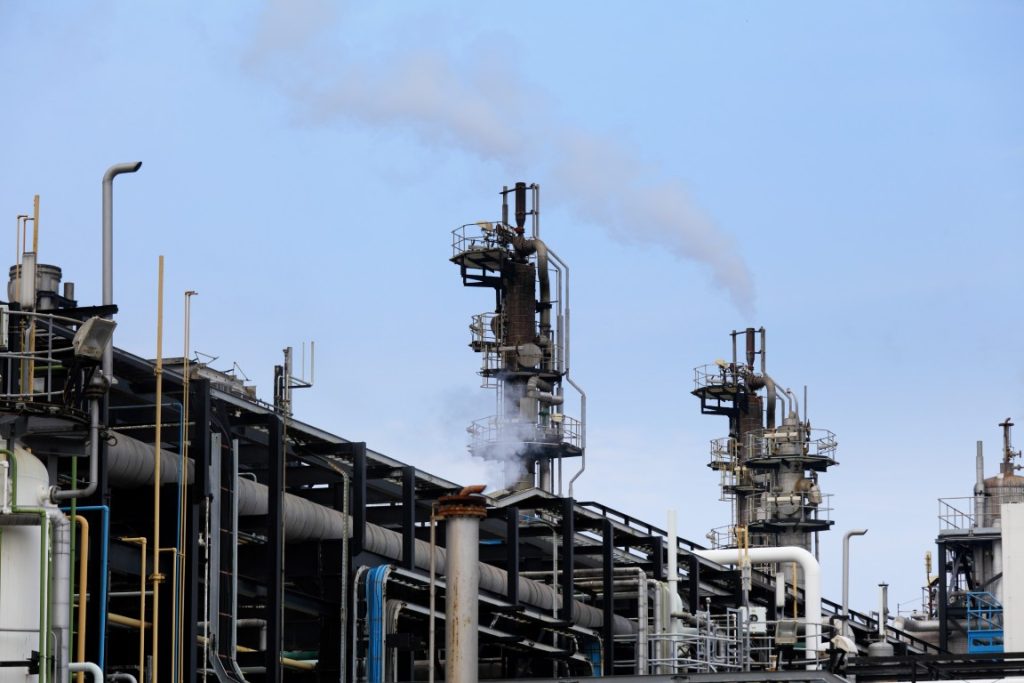
Industrial water treatment for manufacturing processes is not a single product or a generic “clean-up” step. It is a set of engineered treatments designed to control the specific contaminants created by a process, protect equipment, maintain product quality, and manage wastewater before discharge, reuse, or further treatment. In practice, the right solution depends on what is in the water, where it comes from, how it changes during production, and what the plant must do with it next.
For manufacturers, the key question is usually not whether water should be treated, but which contaminants must be removed, reduced, or stabilized and at what point in the process. A coating line does not create the same wastewater as a metal-finishing bath, a pharmaceutical washdown system, or a petrochemical utilities circuit. Treatment can target suspended solids, oil, dissolved metals, salts, organic load, color, odor, and selected trace compounds. In some plants, activated carbon is one part of that strategy; in others, it is a polishing step after upstream separation or chemical treatment.
This article explains how industrial water treatment works in manufacturing, where activated carbon fits, what it can and cannot do, and what data engineers and plant teams should prepare before asking for a proposal.
What industrial water treatment does in a manufacturing plant
Industrial water treatment serves different goals depending on the process. The most common are:
- Protecting process equipment from scaling, fouling, corrosion, and buildup.
- Improving product consistency where water quality affects formulations, rinsing, washing, or surface preparation.
- Reducing pollutant load before wastewater treatment, reuse, discharge, or off-site handling.
- Recovering water for internal reuse where quality requirements allow it.
- Managing special contaminants such as solvents, phenols, dyes, metals, oils, or persistent organics.
In manufacturing environments, the treated stream may be process water, rinse water, scrubber blowdown, cooling tower bleed, cleaning water, condensate, or a mixed wastewater stream. The chemistry can vary by hour, shift, product, and cleaning cycle. That variation matters because a treatment line sized for average conditions may perform poorly under peak load or during batch changes.
Good industrial water treatment starts with a clear separation of the water categories. A plant may need one system for high-strength batch wastewater, another for continuous utility water, and a third for final polishing before reuse. Trying to treat all streams the same way often increases operating cost and reduces reliability.
Main treatment steps and where activated carbon fits
Most manufacturing wastewater systems combine several treatment mechanisms. Understanding the difference between them is essential when evaluating a proposal.
Physical separation
Physical treatment removes contaminants by size or phase. Examples include screening, sedimentation, flotation, oil-water separation, filtration, and membrane processes. These methods are effective for particles, droplets, and some emulsions, but they do not remove dissolved contaminants simply because those contaminants are too small or too soluble.
Chemical treatment
Chemical treatment changes the contaminant or the water chemistry. It includes pH adjustment, coagulation, flocculation, oxidation, reduction, precipitation, and neutralization. This is often necessary for dissolved metals, some color bodies, or compounds that must be converted into a separable form.
Biological treatment
Biological systems use microorganisms to degrade biodegradable organics. They are widely used for many industrial wastewaters, but they are sensitive to shock loads, toxicity, salinity, temperature, and poor nutrient balance.
Adsorption with activated carbon
Activated carbon is a solid adsorbent with a large internal surface area. In water treatment, adsorption means contaminants attach to the surface of the carbon; it is not the same as absorption, where a material takes a substance into its bulk structure. This distinction matters because activated carbon is best understood as a capture medium for selected dissolved compounds, not a universal treatment for all water problems.
Activated carbon can be used as:
- a polishing step after other treatment stages,
- a targeted step for trace organics or residual compounds,
- a protective step before reuse, sensitive equipment, or advanced treatment.
In manufacturing wastewater, carbon is often considered when the stream contains low to moderate concentrations of dissolved organics, residual odor compounds, color, or specific trace contaminants that remain after bulk removal. It is especially useful when the plant needs a final quality improvement without changing the main upstream treatment train.
However, activated carbon does not remove every contaminant. It is not the right tool for all salts, many inorganics, high suspended solids, or every dissolved metal. It also does not automatically make water safe for drinking, and it should not be presented as a substitute for proper water testing, process control, or regulatory review.
Which contaminants matter most in manufacturing wastewater
The correct treatment depends on the contaminant profile, not on the industry label alone. The same sector may generate very different water streams from one plant to another. That said, some patterns are common across chemical, automotive, ceramic, metallurgical, pharmaceutical, paint, plastics, and petrochemical operations.
- Chemical manufacturing: variable organic load, solvents, acids, bases, salts, color, and trace specialty compounds.
- Automotive and metal finishing: oils, surfactants, metals, emulsified contaminants, cleaning agents, and rinse water variability.
- Ceramic production: solids, slurries, fine particles, pigments, and wash water from equipment cleaning.
- Metallurgical processes: dissolved and particulate metals, acids, scale, oils, and process byproducts.
- Pharmaceutical manufacturing: active or intermediate residues, solvents, cleaning chemicals, and high-complexity batch streams.
- Paints and coatings: pigments, binders, resins, solvents, and color bodies that may require staged treatment.
- Plastics and petrochemical plants: hydrocarbons, additives, process water contamination, and variable organic loading.
Some plants also face odor-related problems in wastewater handling, equalization tanks, sludge zones, or sealed process areas. Odor is a symptom, not a treatment target by itself. It can indicate volatile compounds, reduced oxygen conditions, or decomposition, but the underlying chemistry must be identified before selecting a treatment method.
Where biogas is involved, contaminant removal is a separate topic from methane enrichment. In anaerobic digestion and biogas systems, treatment may target hydrogen sulfide, siloxanes, moisture, or other impurities before energy recovery. That does not change the chemistry of the methane fraction; it simply improves the usability of the gas by reducing harmful or troublesome contaminants. Water treatment for manufacturing can overlap with biogas-related wastewater streams, but the design logic remains different.
How to choose the right treatment train
Selection begins with the water itself. A reliable proposal should be based on measured process data, not a generic industry template. The objective is to match treatment to the actual operating conditions and to avoid oversizing, underperforming, or creating unnecessary waste.
One practical checklist for proposal preparation:
- Source of the water: process rinse, cleaning water, batch discharge, cooling bleed, scrubber blowdown, condensate, or mixed wastewater.
- Contaminant profile: suspended solids, oils, dissolved organics, metals, salts, color, odor compounds, surfactants, or trace organics.
- Flow pattern: average flow, peak flow, batch duration, intermittency, and seasonal variation.
- Water chemistry: pH, temperature, conductivity, salinity, oxidation-reduction conditions, and any relevant laboratory analysis.
- Operating variability: product changeovers, cleaning cycles, shock loads, and expected future changes in production.
- Performance target: reuse, discharge pretreatment, final polishing, protection of downstream equipment, or odor reduction.
- Site constraints: available space, utilities, access for maintenance, waste handling route, and integration with existing systems.
For activated carbon specifically, the most important questions are whether the target compounds are adsorbable under the actual water chemistry, how quickly the carbon will load, and what upstream treatment is needed to protect the bed from fouling. High suspended solids can block access to the adsorbent medium. Strong oxidants, extreme pH, or heavy fouling can shorten service life or reduce effectiveness. That is why carbon is often used after clarification, filtration, or chemical treatment rather than before them.
It is also important to distinguish between dissolved and particulate contamination. Activated carbon is not a particle removal device in the same way as a filter or clarifier. If solids are the main problem, the first step should usually be removal of those solids before any adsorption stage is considered.
Bionatur, based in Barcelona, works on industrial pollutant treatment with an approach that starts from assessment and engineering rather than assuming a standard configuration. For water treatment projects, that means understanding the wastewater profile, the treatment goal, and the limitations of each stage before defining equipment or adsorbent selection.
Operating considerations for plant teams and maintenance
Once a system is installed, performance depends on stable operation. In industrial water treatment, the most common reasons for underperformance are not the concept itself but poor upstream control, unexpected load changes, or insufficient monitoring.
For an activated-carbon stage, the team should track the operating indicators that show how the system is behaving. These typically include influent and effluent water quality parameters relevant to the target contaminants, pressure drop across filters where applicable, flow consistency, and any process alarms from the treatment train. The point is to detect loss of performance early, not to rely on visual guesswork.
Maintenance planning should also include:
- routine inspection of ancillary equipment such as pumps, valves, and instrumentation,
- safe handling of spent adsorbent and other residuals,
- coordination with upstream cleaning and production schedules,
- contingency planning for peak load or upset conditions,
- clear procedures for changeout, regeneration where applicable, or disposal.
Plants should not assume that a carbon system will keep working indefinitely at the same performance level. Adsorbent media saturate over time, and the usable life depends on the actual contaminant load, flow, temperature, and water chemistry. Likewise, no replacement interval should be assumed without site-specific data. Monitoring and planning are the reliable tools here.
When water treatment is connected to broader environmental systems, the same discipline applies. Wastewater, sludge, and energy operators often manage streams with changing composition and must consider how pretreatment affects downstream biological units, membrane systems, or thermal equipment. A well-designed treatment stage can reduce fouling and maintenance; a poorly matched one can create new operational problems.
What to expect from a technical partner
For industrial buyers, the best supplier is not the one that promises a universal solution, but the one that asks the right questions and explains the trade-offs clearly. A credible proposal process should include sampling review, process discussion, treatment selection, and an honest statement of what each stage can and cannot do.
In practical terms, you should expect the following from a technical partner:
- review of process data and laboratory results before sizing the treatment concept,
- clear distinction between removal of particles, dissolved compounds, and odor-related contaminants,
- explanation of where adsorption fits relative to filtration, chemical treatment, or biological treatment,
- consideration of operating variability and maintenance access,
- guidance on spent-material handling and long-term service needs.
This is where integrated service matters. Engineering, supply, installation, commissioning, maintenance, media replacement, and management of spent materials all affect whether the system performs as intended over time. For plants that need more than a standalone component, that full-service structure can reduce coordination gaps and keep the treatment train aligned with the actual process conditions.
In some projects, the treatment discussion may extend beyond water. Bionatur also works in industrial gas filtration and adsorption for pollutants such as VOCs, hydrogen sulfide, SO2, HCl, HF, dioxins, furans, heavy metals, and biogas contaminants. For manufacturing sites with both liquid and gas emissions, a coordinated approach can help align wastewater handling with air treatment and residue management. For more on gas-side applications, see the industrial gas treatment solutions.
One important note: do not assume that a named product or filter model is automatically suitable for water treatment. For example, BR350 may be a priority filter in gas-treatment contexts, but water compatibility and performance must be verified separately through documented evidence. Suitability always depends on the actual pollutant, flow, loading, temperature, humidity, and process conditions. Never infer a water-treatment use from a gas-treatment reference alone.
FAQ
Is activated carbon always the best solution for industrial wastewater?
No. It is effective for some dissolved organics, residual odor compounds, and polishing applications, but not for every contaminant. Many plants need pretreatment or other methods first, such as solids removal, pH adjustment, oxidation, or biological treatment.
What process data is needed for a treatment proposal?
At minimum, the water source, flow range, contaminant profile, pH, temperature, conductivity or salinity where relevant, operating variability, target outlet quality, and any space or utility constraints. Better laboratory data leads to a better proposal.
Can activated carbon solve odor problems in manufacturing wastewater?
Sometimes it can help, but odor should be treated as a clue, not as the only design basis. The underlying compounds and conditions must be identified first. In some cases, the cause is not suitable for carbon alone.
Does industrial water treatment guarantee compliance or safe drinking water?
No. Treatment systems must be designed around actual data and local requirements. Industrial wastewater treatment does not automatically guarantee regulatory compliance, and it does not make water safe for drinking unless the system is specifically designed, validated, and operated for that purpose.
Can one system treat all manufacturing streams?
Usually not. Different streams often need different treatment stages because the contaminants, concentrations, and flow patterns vary. A more reliable approach is to match each stream to the right combination of separation, chemical treatment, biological treatment, or adsorption.
If you are planning or reviewing an industrial water treatment project for a manufacturing process, the most useful next step is a technical assessment based on real process data. That is the fastest way to identify the right treatment train and avoid costly assumptions.