
+ 34 934 920 474
09:00 AM – 05:00 PM
Lunes a Viernes
6abd1303eb885_bionatur_emisiones-10

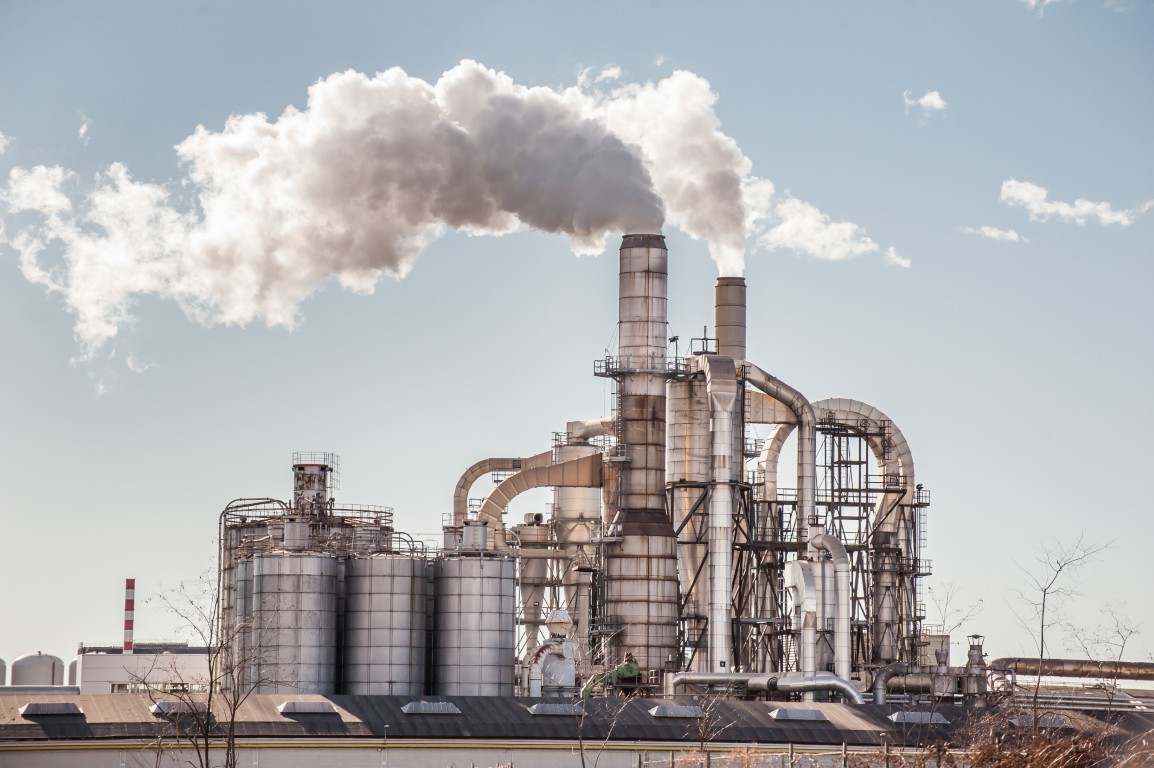
SO2 Removal from Industrial Combustion Gas Streams

Removing sulfur dioxide from industrial combustion gas streams is usually a matter of matching the treatment technology to the real gas conditions, not just selecting an adsorbent at nameplate. SO2 is a corrosive, acidic pollutant formed when sulfur-bearing fuels or raw materials are burned or processed. It can damage equipment, contribute to downstream corrosion and odor complaints, and create compliance risk if it is not controlled effectively.

For many industrial plants, the practical question is not whether SO2 can be treated, but which removal method fits the process. Options include wet scrubbing, dry and semi-dry sorbent systems, and in some cases adsorption-based polishing stages using a solid adsorbent medium. The right choice depends on gas temperature, moisture, oxygen content, flow rate, inlet concentration, the presence of acid gases or particulates, and how the gas is used after treatment.

This article explains how SO2 removal works in combustion gas streams, what engineers should evaluate before requesting a proposal, and where adsorption can play a role as part of a broader gas-treatment strategy. It also clarifies the difference between adsorption and absorption, and why process data matter more than general assumptions.

Why SO2 control matters in combustion and thermal processes

SO2 is one of the main sulfur oxides generated when sulfur compounds oxidize during combustion. It can appear in flue gas from boilers, furnaces, kilns, dryers, thermal oxidizers, and other high-temperature systems that burn fuel or process sulfur-containing materials. It is also relevant in some manufacturing environments where combustion is combined with mineral processing, chemical reactions, or waste treatment.

Quizás también te interese:  VOC Removal in Industrial Degreasing Processes

The impact of SO2 is both operational and environmental:

  • Corrosion risk in ducting, stacks, fans, heat exchangers and downstream equipment when acidic condensate forms.
  • Compatibility issues with catalysts, downstream purification steps and sensitive process equipment.
  • Odor and nuisance concerns in plants where sulfur oxides are associated with other acid gases or reduced sulfur compounds.
  • Emission control requirements where sulfur oxides must be reduced before discharge or reuse of the gas.

Many plants also need to treat more than one pollutant at the same time. SO2 may appear with HCl, HF, VOCs, hydrogen sulfide, particulate matter, mercury or other heavy metals, depending on the process. That is why gas treatment systems are often designed as integrated solutions rather than single-purpose devices.

Industries commonly facing these questions include chemical production, automotive coatings and parts processing, ceramics, metallurgy, pharmaceuticals, paint manufacturing, plastics, petrochemicals, energy plants, waste-to-energy facilities, wastewater treatment, sludge drying and biogas upgrading systems where contaminant removal is needed before utilization.

How SO2 removal works: adsorption, absorption and sorbent-based reactions

The first technical distinction is between absorption and adsorption. In absorption, a contaminant is taken into a liquid phase, as in wet scrubbing. In adsorption, gas molecules attach to the surface of a solid adsorbent medium. These are different mechanisms and lead to different equipment, operating conditions and maintenance needs.

For SO2, several treatment routes are used in industrial practice:

  • Wet scrubbing: the gas contacts an alkaline liquid that reacts with SO2. This is common when high removal is required and water management is acceptable.
  • Dry sorbent injection or dry scrubbing: a powdered alkaline sorbent reacts with SO2 in the gas stream or a downstream collector.
  • Semi-dry systems: a sprayed reagent and controlled moisture promote reaction and capture of acid gases.
  • Adsorption-based polishing: a solid adsorbent medium can be used where the gas is already conditioned and only residual acid gas needs to be removed.

Adsorption systems do not replace every SO2 abatement method. They are typically selected when the gas stream is within a suitable temperature and humidity window, when flow is moderate, when the objective is final polishing, or when the plant wants a compact treatment stage with simpler liquid handling. However, suitability must be confirmed from actual process data.

In practice, SO2 behavior is influenced by the presence of water vapor, oxygen and competing contaminants. The gas chemistry matters. A system that works well for one stream may underperform in another stream with a different temperature profile or more acid gas loading. This is why proposal work should never start from the medium alone; it should start from the process.

Where adsorption fits in industrial SO2 removal

Adsorption is not the same as universal gas cleaning. A solid adsorbent medium can be useful for SO2 removal, but it is only one tool in the treatment toolbox. In combustion gas streams, adsorption is often considered for polishing or for applications where a dry system is preferred over a liquid one.

From an engineering standpoint, adsorption may be relevant when the gas stream has already been cooled and conditioned, and when upstream particulate control has reduced dust loading. This helps prevent premature plugging or surface masking of the adsorbent. If the gas is too hot, too wet, or too dusty, a different pre-treatment stage may be required before adsorption can work reliably.

Key technical points for SO2 adsorption include:

  • Surface chemistry: SO2 removal depends on the reactivity of the adsorbent surface and the gas composition.
  • Moisture balance: some humidity can support reaction, but excess vapor may reduce performance or cause caking.
  • Contact time: the gas must remain in contact with the adsorbent long enough for the reaction or capture mechanism to occur.
  • Competing compounds: HCl, HF, H2S, VOCs, siloxanes and tars can affect service life or selectivity.
  • Thermal stability: the gas temperature must stay within the verified operating range of the system.

For plants that also need control of mercury, dioxins, furans or specific odor compounds, the selection becomes even more process-specific. A carbon-based adsorbent grade may behave differently from other adsorbents, and not every grade is appropriate for SO2. Likewise, activated carbon is not a universal answer for all acid gases. Its role should be assessed carefully and confirmed against the actual contaminant profile.

Bionatur works in this kind of pollutant-specific treatment, combining engineering assessment with industrial gas filtration and adsorption solutions. For general reference on scope and application areas, see the company’s industrial gas treatment solutions.

What process data are needed before specifying a system

Quizás también te interese:  Adsorbent Saturation in Hydrogen Sulfide Treatment

Good proposals for SO2 removal are built on process data, not generic assumptions. The more variable the gas stream, the more important it is to understand how conditions change over time. This applies to batch plants, intermittent combustion systems and plants that run different recipes or fuels.

Before requesting a technical proposal, plant teams should gather the following:

  • Gas source: boiler, kiln, furnace, dryer, incinerator, thermal oxidizer, biogas engine exhaust, or other combustion stream.
  • Flow rate: average, peak and turndown conditions, plus whether the flow is continuous or cyclic.
  • Temperature: normal operating temperature, start-up temperature and any excursions.
  • Moisture content: humidity level and whether condensation may occur.
  • SO2 concentration: average and peak inlet levels, preferably from representative measurements.
  • Other pollutants: HCl, HF, H2S, VOCs, dust, heavy metals, siloxanes, tars or acid mist.
  • Oxygen content: relevant for combustion chemistry and some sorbent reactions.
  • Pressure conditions: available pressure drop and fan constraints.
  • Space and layout: footprint, access for installation and maintenance, and tie-in points.
  • Disposal or handling constraints: spent adsorbent, by-products, dust collection or effluent management.

These parameters are also needed to assess whether an adsorption unit, wet scrubber, dry sorbent system or hybrid arrangement is more appropriate. If a proposal is prepared without them, it is usually difficult to predict service life, pressure drop, replacement intervals or real operating cost.

For buyers and plant managers, one practical rule applies: if the gas stream changes with production cycles, request data for the worst credible case, not just the easiest operating point. SO2 removal systems are selected for the gas they actually see, not for the idealized gas on a specification sheet.

Quizás también te interese:  Biogas Purification and Contaminant Assessment

How to evaluate a supplier or treatment proposal

Choosing a supplier for SO2 removal is less about catalog claims and more about technical fit. A serious proposal should show how the selected treatment stage addresses the gas stream as it exists on site.

Useful selection criteria include:

  • Process understanding: Can the supplier distinguish between SO2, H2S, VOCs, particulate capture and other contaminants?
  • Engineering basis: Is the proposal based on measured data, process samples or verified operating conditions?
  • Technology match: Does the recommended system suit the temperature, humidity and flow regime?
  • Maintenance concept: Is there a clear plan for media replacement, inspection intervals and safe handling of spent material?
  • Integration: Can the system be tied into existing ducting, fans, pre-filtration and control logic?
  • Operational practicality: Will the plant need chemical dosing, wastewater handling or major operator intervention?
  • Service scope: Does the supplier support assessment, engineering, supply, installation, commissioning and maintenance?

In some industrial projects, a compact adsorption unit may be attractive because it simplifies liquid handling and can be integrated upstream or downstream of another control stage. In other cases, a wet or semi-dry system is better suited to high SO2 loading. The correct answer depends on the process, not on a fixed technology preference.

Bionatur’s integral service model is relevant here because SO2 treatment often requires more than equipment supply. Assessment, engineering, installation, commissioning, maintenance and media replacement should all be considered together, especially when the gas stream includes multiple acidic or odor-forming compounds.

Operational considerations for plants using adsorption-based SO2 control

Once a system is in operation, the main goals are stable gas contact, predictable pressure drop and safe management of the adsorbent medium. Operators should not rely on smell to judge performance, and they should not open treatment vessels in normal service. Instead, performance should be assessed through process monitoring, differential pressure trends, inlet and outlet measurements where available, and the maintenance plan defined by the supplier.

Useful operating practices include:

  • Keep upstream dust control effective so the adsorbent is not blocked prematurely.
  • Maintain gas temperature and humidity within the validated operating window.
  • Watch for changes in process chemistry that can increase SO2 or introduce competing contaminants.
  • Record pressure drop, fan load and operating hours or cycles.
  • Plan safe replacement of the adsorbent medium before breakthrough becomes a process issue.

For plants dealing with biogas or wastewater-related streams, it is important to separate contaminant removal from methane enrichment. Removing acid gases or odor compounds improves gas quality and protects equipment, but it is not the same as upgrading methane concentration. If biogas contains H2S, siloxanes or moisture, those contaminants must be addressed according to the system design and the intended end use.

In combustion gas applications, spent material management should also be part of the design. The adsorbent may contain captured acid gases or other pollutants, so handling and disposal need to follow the site’s safety and environmental procedures. A responsible supplier should address this during project development rather than after installation.

FAQ

Is adsorption always the best way to remove SO2 from combustion gas?

No. Adsorption can be effective in the right conditions, especially for polishing or dry treatment stages, but wet scrubbing, dry sorbent injection and semi-dry systems may be better for other gas loads, temperatures or moisture levels. The best method depends on the real process data.

Can activated carbon remove SO2 in all industrial cases?

No. Activated carbon is not a universal SO2 solution. Its performance depends on the carbon grade, gas composition, humidity, temperature and competing contaminants. Some streams need different adsorbents or a different treatment principle altogether.

What information should I provide for an SO2 removal proposal?

Share the gas source, flow rate, temperature, humidity, SO2 concentration, other contaminants, oxygen level, pressure constraints, operating pattern and any limits on footprint or maintenance access. Representative data improves the quality of the proposal.

How do SO2 removal needs differ in biogas systems?

Biogas projects often focus on contaminant removal rather than flue-gas cleanup. H2S, moisture, siloxanes and other impurities may need treatment before the gas is used. This is separate from methane enrichment, although removing contaminants can still improve gas quality and protect equipment.

Can Bionatur specify the right solution without a site assessment?

Not reliably. As with any industrial gas treatment project, suitability depends on the pollutant mix, flow, temperature, humidity and operating conditions. A technical assessment is the normal starting point for a credible solution.

If you are planning SO2 control for a combustion or process gas stream, request a technical assessment so the treatment concept can be matched to your actual operating conditions.
6abcf55890eaf_gases_bionatur-5

Managing Spent Adsorbents from Industrial Gas Treatment

Spent adsorbents are the used solid materials removed from industrial gas treatment units after they have captured contaminants such as VOCs, hydrogen sulfide, sulfur dioxide, acid gases, odors, or trace organics. Managing them correctly is not just a disposal task. It affects plant safety, maintenance planning, environmental compliance, operating cost, and the reliability of the treatment system itself.

For manufacturers and other industrial operators, the main question is practical: what should happen when the adsorbent reaches the end of its useful life? The answer depends on the contaminants captured, the process gas conditions, the adsorbent chemistry, and local waste rules. In many cases, spent adsorbents need to be treated as controlled industrial waste, and sometimes as hazardous waste, because they may contain concentrated pollutants or react with air, moisture, or heat.

This article explains how spent adsorbents are generated, how to assess them, and how to manage removal, storage, transport, and replacement in a technically sound way. It also covers the process data needed to design a better solution for future operation. For plants that need broader help with gas purification systems, industrial gas treatment solutions should always be matched to the actual pollutant profile and operating conditions, not only to the nominal flow rate.

What spent adsorbents are, and why their management matters

Adsorption is a surface phenomenon. Pollutant molecules in the gas phase attach to the surface of a porous solid adsorbent such as activated carbon, impregnated carbon, alumina-based media, or other specialty materials. This is different from absorption, where a contaminant dissolves into a liquid or is taken into the bulk of another phase. In industrial gas treatment, the distinction matters because the used adsorbent does not simply “contain dirt”; it may hold concentrated chemicals on a large internal surface area.

Spent adsorbents can come from a wide range of sources:

  • VOC control in chemical, paint, plastics, and pharmaceutical production
  • Odor and H2S treatment in biogas, wastewater, waste, and energy facilities
  • Acid gas removal such as sulfur dioxide, HCl, or HF in process exhausts
  • Specialty treatment for trace compounds, including certain mercury or organic pollutants, when designed for that duty

Once the adsorbent is loaded, it may no longer perform effectively. The pressure drop may rise, outlet concentrations may increase, or the media may approach saturation. But the used material is also a waste stream with its own handling requirements. Some spent adsorbents can self-heat if exposed to air after loading with high levels of organic vapor or reactive compounds. Others may release captured pollutants during poor storage or transport. Good management therefore protects personnel and helps prevent secondary emissions.

How to know when an adsorbent is spent

There is no universal replacement interval. Life depends on contaminant concentration, flow, humidity, temperature, chemical composition, and the type of adsorbent. A unit treating dry VOC-laden exhaust may perform very differently from one treating warm, wet biogas with H2S and siloxanes. The decision should be based on operating data, not guesswork.

Typical indicators include:

  • Breakthrough at the outlet: rising concentrations of the target pollutant downstream of the bed
  • Higher pressure drop: not always caused by saturation alone, but often a sign that fouling, condensation, or particulate loading is affecting performance
  • Process upsets: changes in flow, humidity, temperature, solvent loading, or pollutant composition that accelerate exhaustion
  • Reduced bed efficiency: when the system no longer maintains the expected outlet quality under normal conditions

For gases with hydrogen sulfide or other reactive contaminants, site teams should rely on proper instrumentation and maintenance records, not odor as a detector. Odor is not a reliable safety or performance indicator, especially because human perception varies and some gases can be hazardous at low levels.

Quizás también te interese:  Particle Pretreatment Before Gas Adsorption

Monitoring should be designed around the actual application. For example, a VOC bed may need different data than a H2S treatment stage in a biogas plant. In some cases, a prefilter or dust control stage is also important because particles can foul the adsorbent bed and reduce usable life even when the gas chemistry is stable.

Assessing the used material before removal and disposal

Before any adsorbent is removed, the team should know what it captured. That assessment determines whether the media can be managed as ordinary industrial waste, whether it needs special containment, and whether additional precautions are necessary during handling and transport.

A practical assessment normally considers:

  • Pollutant identity: VOCs, H2S, sulfur dioxide, acid gases, or other captured species
  • Process gas conditions: flow, temperature, humidity, oxygen content, and presence of condensable vapor
  • Adsorbent type: standard activated carbon, impregnated grades, sulfur-impregnated materials, alumina-based media, or another specialty adsorbent
  • Potential hazards: flammability, corrosion, self-heating risk, toxic release, or incompatibility with moisture and air
  • Physical condition: dusting, channeling, compaction, contamination by liquid carryover, or ingress of particles

This is also where plant teams should distinguish between a gas treatment duty and a water treatment duty. Activated carbon used in industrial water or wastewater service can behave differently from carbon used in gas-phase treatment, and the spent waste characteristics are not interchangeable. The disposal route should be chosen on the basis of the actual service history, not on generic assumptions about “carbon waste.”

Where local rules require it, analytical testing may be needed to classify the waste. The exact test set depends on the captured contaminants and the relevant regulatory framework. It is better to plan for this early than to discover at removal time that no disposal route has been confirmed.

Safe removal, storage, and transport practices

Once the adsorbent is no longer fit for service, handling becomes the next risk point. Removal should be planned as a controlled maintenance operation, with isolation of the treatment unit, appropriate ventilation, and procedures that protect workers from dust, residual vapors, and hot spots. The exact steps depend on equipment design, but the general objective is the same: prevent unintended release of the adsorbed pollutants.

Good practice usually includes:

  • Isolate and secure the system before opening any part of the unit
  • Depressurize and purge the equipment according to site procedure and the gas hazard profile
  • Use suitable PPE based on the captured contaminants and the material handling task
  • Control dust and fines during unloading and transfer
  • Keep spent material in compatible containers that are closed, labeled, and protected from weather
  • Avoid mixing wastes unless the disposal route explicitly allows it

Spent adsorbents that have loaded organic vapor may require special attention because exposure to air can change their condition. Materials that have treated acid gases or H2S may also present corrosion or release concerns if stored badly or exposed to moisture. In all cases, storage should be temporary and organized, not improvised.

Transport should follow the waste classification already established for the site. Shipping documents, labeling, and chain-of-custody records should clearly identify the origin, treatment duty, and known hazards of the spent adsorbent. This reduces the chance of rejection at the disposal facility and helps demonstrate responsible waste management.

Disposal, recovery, and regeneration options

There is no single best endpoint for all spent adsorbents. The right option depends on the contaminant captured, the adsorbent formulation, contamination level, and what local operators are authorized to accept. In practice, the main routes are disposal, energy recovery, and regeneration, where technically and legally permitted.

Disposal

For many industrial gas treatment systems, the simplest route is controlled disposal through an approved waste handler. This is often the case when the media is heavily loaded, contaminated with mixtures of pollutants, or too altered for cost-effective recovery. Disposal does not mean the material is harmless; it means the waste has been characterized and directed to an approved destination.

Quizás también te interese:  BIONATUR BR350 Selection Criteria for Industrial Gas Treatment

Regeneration

Some adsorbents can be regenerated off-site or in specialized facilities, but this is not universal. Regeneration depends on the adsorbent type and the contaminants present. A material loaded with certain organics may be recoverable, while one exposed to reactive acids, tars, or mixed industrial contaminants may not be suitable. Even when regeneration is technically possible, the logistics and quality requirements must be evaluated carefully.

Recovery and replacement strategy

In some cases, the most valuable step is not to recover the used media but to improve the replacement strategy. If a system repeatedly exhausts too quickly, the cause may be upstream dust, condensation, incorrect media selection, excessive humidity, or an undersized bed. In that case, changing the adsorbent without fixing the process conditions only repeats the waste problem.

For plants using a modular system such as BR350, the same principle applies: suitability must be verified against the real process data. The existence of a gas-treatment unit does not remove the need to check pollutant profile, flow, loading, temperature, humidity, and operating stability before proposing a media strategy or replacement plan. No supplier should assume compatibility without those inputs.

Quizás también te interese:  Contaminant Loading and Industrial Filter Service Life

How to reduce spent adsorbent volume and improve operating life

Managing spent adsorbents well is not only about end-of-life handling. The most effective plants reduce waste at the source by improving the treatment design and operating discipline. That usually means selecting the right adsorbent chemistry, preventing avoidable contaminants from reaching the bed, and keeping the process within its intended range.

Common improvement levers include:

  • Pre-treatment of the gas to remove liquid droplets or particles before the adsorbent bed
  • Correct media selection for the target contaminant, rather than using a generic carbon for everything
  • Humidity control where water vapor competes with the target pollutant or affects performance
  • Temperature control to avoid premature breakthrough or damage to the adsorbent
  • Better instrumentation to detect early breakthrough and avoid overrun
  • Bed design review to reduce channeling, bypass, and uneven loading

For biogas systems, it is also important to separate contaminant removal from methane enrichment. Removing H2S, siloxanes, or other trace compounds improves gas quality and protects engines, burners, or downstream equipment, but it is not the same as CO2 separation. Likewise, treating VOCs or acid gases in industrial exhaust is not equivalent to upgrading biogas to biomethane. Each duty has its own process constraints and media requirements.

Where odor control is the main driver, operators still need to define the underlying compounds. “Odor” is a symptom, not a contaminant class. The media that works for one odor-causing stream may perform poorly in another if the chemistry is different. This is why a technical assessment is more useful than a generic product request.

Bionatur, based in Barcelona, supports industrial gas filtration and adsorption projects with assessment, engineering, supply, installation, commissioning, maintenance, media replacement, and management of spent materials. That integrated approach is especially useful when a site wants to solve both the treatment problem and the waste-handling problem in one technical plan.

What to prepare for a proposal or technical assessment

If you are requesting a proposal for gas treatment or for replacement of exhausted adsorbent, the quality of the process data matters. The more accurate the input data, the more reliable the design and waste plan will be. A clear request also avoids oversizing, undersizing, or choosing the wrong adsorbent grade.

Use this practical checklist:

  • Gas source and process description
  • Target contaminants and any known interfering compounds
  • Normal and peak flow rate
  • Temperature and humidity range
  • Pressure conditions and available space for equipment
  • Presence of liquid droplets, dust, mist, or condensate
  • Expected operating hours and duty cycle
  • Outlet target or required treatment objective
  • Current media type, if known, and history of breakthrough or maintenance issues
  • Waste handling constraints, if spent adsorbent management is part of the scope

For industrial buyers, this checklist is also a procurement tool. It helps compare proposals on technical merit instead of only on the equipment name or the nominal capacity. A sound proposal should explain not just the treatment unit, but also how spent adsorbent will be removed, stored, and replaced.

When the site involves VOCs, H2S, sulfur dioxide, acid gases, or other pollutant-specific duties, a supplier should ask enough questions to define the waste stream properly. That is especially important in chemical, automotive, ceramic, metallurgical, pharmaceutical, paint, plastics, petrochemical, biogas, wastewater, waste, and energy applications, where process variability can be significant.

FAQ

Can spent adsorbents be disposed of as ordinary waste?

Sometimes, but only after the waste has been characterized. If the adsorbent contains captured VOCs, H2S, acid gases, or other regulated contaminants, it may need special handling and disposal through an approved route.

Is activated carbon always the right solution for gas treatment?

No. Activated carbon is useful for many gas-phase pollutants, but it is not universal. The correct media depends on the contaminant, gas temperature, humidity, flow, and any interfering compounds. Some duties require impregnated or specialty adsorbents.

How do I know when a bed needs replacement?

Use measured process data, not odor. Outlet monitoring, pressure drop trends, and operating history are the main indicators. Replacement timing should be based on actual performance and maintenance records.

Can the same adsorbent strategy be used for biogas and VOC treatment?

No. Biogas contaminant removal and VOC control are different duties. Biogas treatment may focus on H2S, siloxanes, and other trace compounds, while VOC systems treat solvent vapors or other organics in exhaust gas.

What is the first step if we need to replace spent adsorbent?

Confirm the contaminant profile, gas conditions, and waste handling route before scheduling removal. That information determines the safest handling method and the right replacement strategy.

If you need help assessing a spent adsorbent stream or planning a new gas treatment duty, request a technical assessment so the solution can be matched to your process conditions and waste requirements.

6abd1303eb69a_bionatur_emisiones-7

Industrial Gas Filters in Series or Parallel

When an industrial exhaust stream contains more than one contaminant, one filter is not always the best answer. In many plants, the real design question is whether to arrange industrial gas filters in series, in parallel, or in a hybrid configuration that balances air flow, contaminant loading, maintenance, and footprint. The right layout can improve process stability and make pollutant control more manageable, but only if it is matched to the actual gas composition and operating profile.

This topic matters for manufacturers and operators dealing with VOCs, hydrogen sulfide, sulfur dioxide, hydrochloric acid, hydrofluoric acid, odor compounds, dioxins, furans, heavy metals, and other industrial pollutants in off-gas streams. It is also relevant in biogas, wastewater, waste, and energy applications, where contaminant removal is often a precondition for safe operation, equipment protection, or downstream gas use. The best arrangement depends on what must be removed, in what order, and under which temperature, humidity, and flow conditions.

Quizás también te interese:  Hydrogen Sulfide Treatment in Pulp and Paper Mills

In practical terms, series treatment is used when one stage protects or prepares the next. Parallel treatment is used when the flow must be split across multiple units, either to manage high volumes, reduce pressure drop, allow maintenance without full shutdown, or treat separate process lines. In both cases, the design is only as good as the process data behind it.

What “in series” and “in parallel” mean in industrial gas filtration

Industrial gas treatment is often discussed as if one filter can solve every problem. In reality, the gas stream may contain a mixture of particles, condensable vapors, acidic gases, odor compounds, and trace pollutants that behave differently. A filter arrangement must reflect that chemistry.

Series configuration means the gas passes through one treatment stage and then another. This is common when the first unit removes a bulk contaminant or conditions the gas so the second unit can work more effectively. For example, a pre-treatment step may reduce particulate or moisture-related issues before the gas reaches an adsorption stage. Another example is a staged design where different adsorbent media are dedicated to different pollutant groups.

Parallel configuration means the gas stream is split into two or more branches that operate simultaneously. This is useful when:

  • the total flow rate is too high for one vessel or one train;
  • the site wants operational redundancy or swing service;
  • different process lines have different pollutant profiles;
  • maintenance must be possible without stopping the entire plant;
  • pressure drop must be kept within the fan or blower limits.
Quizás también te interese:  VOC Treatment in Industrial Manufacturing Processes

These arrangements are not interchangeable. Series is about sequence; parallel is about capacity and operational flexibility. In many projects, the final solution uses both: parallel trains feeding series treatment stages.

When series treatment is the better choice

Series treatment is usually preferred when the gas stream contains pollutants that behave differently or create interference for one another. The goal is to separate functions so each stage handles a narrower task.

A common reason for series arrangement is preconditioning. Many adsorption systems perform more predictably when the gas has been prepared first. Excess droplets, liquid carryover, dust, or unstable humidity can reduce performance, increase pressure drop, and shorten service life. A first stage can therefore act as a protective barrier before the main adsorbent bed.

Series is also useful when the plant must address multiple target pollutants. For example, a first stage may focus on acidic gases or one pollutant class, while a second stage targets VOCs or odor compounds. In some applications, the first stage reduces the load enough that the second stage can be sized more efficiently. That is a design advantage, not a guarantee of performance.

Another reason is polishing. A downstream stage can be used to treat residual contaminants after an upstream unit has already reduced the bulk of the load. This is common when the plant needs a more controlled final treatment step, but the engineer should still size each stage based on actual gas composition and breakthrough behavior, not on assumptions.

Series arrangements are also relevant when pollutant chemistry changes with temperature, humidity, or residence time. Some compounds are better handled by one adsorbent type than another, and the wrong order can reduce efficiency. The sequence should therefore be developed from process data, not from a generic template.

Examples of where sequence matters

  • Acid gases and VOCs: a first stage may reduce corrosive species before a downstream adsorption stage handles organic vapors.
  • Odor control: a staged design may address hydrogen sulfide first and then residual odor compounds later, depending on the gas matrix.
  • Biogas cleanup: contaminant removal is separate from CO2 separation and methane enrichment. A system may remove hydrogen sulfide, siloxanes, or other impurities before any downstream use of the gas.
  • Paint, plastics, and chemical exhausts: mixed vapor streams often require careful staging because condensable compounds can affect bed behavior.

The main point is simple: series treatment is chosen when one step improves the conditions for the next, or when different pollutants need different treatment mechanisms.

When parallel treatment is the better choice

Parallel treatment is usually selected when the challenge is not chemistry alone, but flow management. If the gas volume is large, variable, or produced by multiple sources, splitting the stream can make the installation more practical.

One common use is capacity sharing. Instead of forcing one vessel to handle the full flow, the gas is distributed across two or more units. This can help control velocity, pressure drop, and bed loading. It is especially relevant for continuous processes in metallurgy, ceramics, petrochemicals, automotive finishing, and large wastewater or waste facilities.

Parallel arrangement is also valuable for operational continuity. A plant may be able to isolate one train for maintenance or media replacement while another train stays online. That does not eliminate downtime risk, but it can reduce the impact of routine service.

Another use is process zoning. Different exhaust points may have different contaminant profiles, temperatures, or flow patterns. Treating them separately in parallel can be more effective than blending them into one mixed stream. This is especially useful when one source contains high moisture or a high pollutant load that would otherwise burden the whole system.

Parallel units are not a shortcut around proper engineering. If the gas stream is unevenly distributed, one branch can overload while the other is underused. Good manifold design, balancing, and monitoring matter. If the process data are incomplete, the result may be a system that looks redundant on paper but does not behave that way in operation.

Series or parallel: the selection criteria that actually matter

Choosing between series and parallel should start with the gas properties, not with a preference for compactness or fewer vessels. The following criteria usually drive the design:

  • Pollutant type: VOCs, hydrogen sulfide, sulfur dioxide, acid gases, odor compounds, siloxanes, and trace toxic species do not behave the same way.
  • Concentration and loading profile: average values are not enough; peaks, start-up emissions, and batch releases matter.
  • Flow rate and variability: stable continuous flow is easier to design than fluctuating or intermittent flow.
  • Temperature: temperature affects adsorption behavior and may influence whether pre-cooling or conditioning is needed.
  • Relative humidity and condensation risk: moisture can compete with adsorption or damage system performance if not managed correctly.
  • Dust, aerosols, and liquid carryover: particles are not gases, but they can block gas-treatment media and upstream equipment.
  • Required uptime: if the plant cannot stop easily, parallel trains may be justified.
  • Footprint and access: the available space may favor a compact series train or a distributed parallel layout.
  • Maintenance strategy: replacement access, monitoring points, and safe isolation need to be designed in from the start.

For adsorption systems in particular, engineers should understand the difference between adsorption and absorption. Adsorption means pollutants adhere to the surface of a solid adsorbent such as activated carbon or a specialty medium. Absorption means a substance is taken into the bulk of another material, often a liquid. The two mechanisms are not interchangeable, and the wrong assumption can lead to a poor design.

Likewise, gas treatment is not particle filtration. A gas filter or adsorber may perform poorly if it is expected to solve dust removal, liquid droplet removal, and vapor adsorption all at once without proper upstream conditioning. In many projects, the arrangement is decided as much by process hygiene as by chemistry.

What data you need before requesting a proposal

Whether the final concept ends up in series, parallel, or a combination of both, the supplier needs process data that describes the stream realistically. A good proposal starts with the right inputs. The list below is usually enough to begin a technical assessment:

  • Gas source: process description and where the exhaust is generated.
  • Contaminants: target gases or vapors, including VOCs, hydrogen sulfide, sulfur dioxide, acid gases, odor compounds, siloxanes, or others relevant to the site.
  • Concentration range: normal load, minimum and maximum load, and any known peaks.
  • Flow rate: average and peak flow, continuous or intermittent operation, and whether the flow is one stream or multiple branches.
  • Temperature and humidity: including condensation risk and seasonal variation if applicable.
  • Presence of particles or droplets: dust, mist, aerosols, or entrained liquids.
  • Duty cycle: batch production, shutdown/start-up events, and upset conditions.
  • Available footprint and tie-in points: space, access, and any installation constraints.
  • Material handling constraints: if spent adsorbent or other residual materials need special management.
  • Monitoring expectations: preferred instruments, alarm logic, and maintenance access philosophy.

For biogas systems, this data should clearly separate contaminant removal from any downstream gas use. Removing hydrogen sulfide, siloxanes, or other impurities is not the same as CO2 separation or methane enrichment. Those are different objectives and should not be mixed in the technical brief.

This is also where Bionatur’s assessment approach is relevant. Based in Barcelona, Bionatur provides industrial gas filtration and adsorption solutions for pollutant-specific treatment, with engineering support from assessment through commissioning, maintenance, media replacement, and management of spent materials. For gas-treatment applications, that process is typically the most reliable way to determine whether the right design is a series train, a parallel layout, or a hybrid solution. See industrial gas treatment solutions for the service context.

Design and operating considerations that affect performance

Once the layout is defined, the details of operation become decisive. The most common mistakes are not conceptual; they are practical.

First, control the inlet conditions. If the stream carries condensable vapor, liquid droplets, or excessive particulate, the treatment system may need pre-separation or conditioning. A filter designed for vapor adsorption should not be forced to act as a dust collector.

Second, avoid unrealistic assumptions about media life. Adsorbent service life depends on pollutant load, humidity, temperature, flow, and competing compounds. There is no universal replacement interval. Monitoring should be based on the actual site data and the behavior of the treated stream, not on a generic calendar.

Third, define the monitoring strategy. Depending on the application, the plant may need inlet and outlet sampling points, pressure monitoring, differential pressure checks, or specific gas analyzers. This is especially important when the system is staged, because a change in the first stage can affect the second stage.

Fourth, plan for safe maintenance. Replacement of adsorbent medium or other treatment components should be done under a controlled procedure. Staff should not rely on visual inspection inside a vessel to judge performance or safety, and they should not open equipment without proper isolation and risk assessment.

Fifth, handle spent materials correctly. Gas-treatment media can contain captured pollutants. The disposal or regeneration route depends on what has been adsorbed and on applicable site procedures. This is one reason integrated service matters: the design should consider the full lifecycle, not just the initial installation.

For some streams, the media selection itself is critical. Activated carbon is widely used in industrial gas treatment because it offers a large internal surface area for adsorption, but it does not remove every contaminant. Different carbon grades and specialty adsorbents may be chosen depending on whether the target is VOCs, odor compounds, acid gases, or compounds that require more specific chemistry. Siloxanes are one example where the gas composition and duty profile deserve special attention, because the selection of adsorbent and pre-treatment can be highly application-specific.

The same caution applies to pollutants such as hydrogen sulfide. Engineers should treat odor as a poor diagnostic tool and should not rely on smell to assess H2S levels, safety, or filter performance. Instrumented measurement and proper process analysis are the correct basis for design decisions.

How BR350 fits into the discussion

When buyers ask about a specific product such as BR350, the right approach is to separate documented capability from general design theory. A filter can only be recommended responsibly if the actual pollutant profile, flow conditions, and operating constraints match the manufacturer’s verified information.

That means BR350 should be considered only after the process data are known. Without verified evidence, it would be incorrect to assume compatibility with a particular contaminant, flow regime, temperature range, or layout. Suitability depends on the real gas stream: pollutants, loading, humidity, temperature, and whether the application requires series treatment, parallel trains, or a different configuration altogether.

In procurement terms, the important question is not “Can BR350 solve the problem?” but “What is the stream, what is the treatment objective, and what operating profile must the system handle?” Once those answers are clear, a proposal can be built on engineering rather than assumptions.

That is also why a supplier with integrated capability can add value. Bionatur’s scope in industrial gas treatment is not limited to one vessel or one adsorbent choice; it includes assessment, engineering, supply, installation, commissioning, maintenance, media replacement, and management of spent materials. For plants dealing with multiple pollutants or variable process conditions, that end-to-end approach often matters as much as the equipment itself.

FAQ

Quizás también te interese:  Solvent Emission Control in Pharmaceutical Manufacturing

Is series better than parallel for industrial gas filters?

Not universally. Series is usually better when one stage prepares the gas for the next or when different pollutants need different treatment steps. Parallel is better when the main issue is flow capacity, redundancy, or separate process lines. Many systems use both.

Can one adsorbent medium handle VOCs, hydrogen sulfide, and acid gases together?

Sometimes partial overlap exists, but one medium rarely offers the best performance for every target. The correct choice depends on concentration, humidity, temperature, and the full contaminant mix. In staged systems, different media may be used for different functions.

How do I know whether my site needs a series or parallel layout?

Start with process data: flow rate, pollutant type, concentration range, temperature, humidity, particulate content, operating schedule, and maintenance constraints. Those inputs usually make the best configuration clear, or at least narrow the options enough for a technical proposal.

Does activated carbon remove every gas contaminant?

No. Activated carbon is effective for many vapor-phase applications, but not every contaminant behaves the same way. The adsorbent grade, gas composition, and operating conditions determine performance, and some pollutants require other media or pre-treatment.

Can biogas contaminant removal be treated the same as methane enrichment?

No. Removing hydrogen sulfide, siloxanes, and other impurities is a contaminant-removal step. Methane enrichment or CO2 separation is a different process objective. Both can be part of a gas-upgrading project, but they should be engineered separately.

If you are deciding between series, parallel, or a hybrid gas-treatment layout, the most efficient next step is a technical assessment based on your actual process data. A well-defined stream analysis will point to the right configuration and reduce design risk.

6abcf55894b9e_gases_bionatur-10

Particle Pretreatment Before Gas Adsorption

Particle pretreatment before gas adsorption is the step that protects an adsorption system from premature fouling, pressure drop rise, channeling and avoidable media replacement. In practical terms, it means removing or reducing entrained dust, mists, droplets and other particulate matter before the gas reaches the adsorbent bed. The goal is simple: let the gas contact the adsorbent medium under stable conditions, so the adsorption stage can focus on gas-phase pollutants such as VOCs, hydrogen sulfide, sulfur dioxide, hydrochloric acid, hydrogen fluoride, dioxins, furans and certain heavy metals, depending on the process design.

This matters in many industrial settings where the exhaust stream is not “clean” even before chemical treatment begins. Manufacturing processes in chemical, automotive, ceramic, metallurgical, pharmaceutical, paint, plastics and petrochemical plants often carry dust, sticky aerosol, oil mist, condensate or process carryover. Biogas, wastewater and waste treatment operators also face particulate and droplet loading that can undermine gas treatment equipment. If pretreatment is overlooked, the adsorption unit may still run, but not in the way it was designed to run.

For that reason, particle pretreatment is not a secondary detail. It is part of the treatment train, and it should be engineered with the same care as the adsorption step itself. In some projects, Bionatur supports this type of gas-treatment design as part of a broader assessment, engineering, supply, installation, commissioning and maintenance scope.

Why particle pretreatment comes before adsorption

Adsorption is a surface phenomenon. Gas molecules or vapors are captured on the surface of a solid adsorbent, such as activated carbon or another specialist medium. Particles, by contrast, are not adsorbed in the same way. Dust, mist and liquid droplets can physically block flow paths, coat the adsorbent surface, or carry contaminants deeper into the bed than intended. That creates operational problems that are often mistaken for “poor carbon performance,” when the real issue is upstream particle loading.

Good pretreatment protects adsorption in several ways:

  • It reduces pressure drop across the treatment line and helps maintain stable gas flow.
  • It prevents pore blocking and surface masking on the adsorbent.
  • It limits bed wetting from droplets, condensate or aerosol carryover.
  • It improves contact efficiency by keeping gas distribution more uniform.
  • It extends service life of both prefilters and the adsorption stage by preventing avoidable contamination.

The difference between gas and particles is important. A gas-phase contaminant can be captured by adsorption if the bed chemistry and operating conditions are appropriate. A particle may need inertial separation, filtration, demisting or condensation control before the gas ever reaches that bed. If the inlet stream contains both, the treatment system should be arranged in layers, not treated as one generic “filter.”

This is especially relevant in biogas treatment. Particle pretreatment does not replace contaminant removal, and contaminant removal does not mean methane enrichment. Removing hydrogen sulfide, siloxanes, odor compounds and other impurities improves gas quality and protects downstream equipment, but it is a separate objective from separating CO2 to upgrade methane concentration.

What must be removed before the gas reaches the adsorbent

The exact pretreatment package depends on process data, but the common problem categories are well known. The aim is to remove or condition anything that interferes with the gas-solid interaction in the adsorption stage.

1. Dust and solid particles

Dust can come from material handling, combustion, drying, grinding, conveying or product transfer. In some plants it is fine and abrasive; in others it is sticky or hygroscopic. Fine dust can penetrate into the bed surface and create an uneven loading pattern. Abrasive particles can also damage upstream equipment and complicate maintenance.

Where solids loading is significant, a pretreatment step may combine inertial separation, filtration, or a suitable preseparator before the adsorber. The objective is not just “catching dust,” but ensuring that the downstream adsorbent remains accessible to the target gases.

2. Aerosols, mists and droplets

Liquids carried in the gas stream are one of the most common reasons adsorption systems underperform. Oil mist, acid mist, solvent droplets, condensate and water aerosol can wet the adsorbent, causing channeling, swelling, agglomeration or reduced active surface area. Droplets can also transport dissolved contaminants in ways that complicate the treatment mechanism.

Demisting, droplet separation and temperature control are often essential where the gas is near saturation or where process cooling is expected. If condensation can occur in ducting or vessels, the design should account for it before the gas reaches the adsorbent.

3. Sticky or reactive carryover

Some particle loads are not simply inert dust. They may include condensable organic residue, resinous material, salt crystals, or process-specific carryover that adheres to surfaces. These materials can create fouling films on prefilters and adsorbent beds. In such cases, the pretreatment strategy should focus on preventing build-up rather than only increasing filtration fineness.

4. Saturated gas and condensate risk

Gas close to the dew point can create ongoing condensation inside the treatment line. That is not a particle issue in the narrow sense, but it behaves like one operationally because liquid carryover and wet surfaces quickly degrade adsorption performance. The treatment train should therefore consider temperature, humidity, dew point and any upstream cooling or washing stages.

How pretreatment is selected in real projects

There is no universal pretreatment package for gas adsorption. The correct configuration depends on the pollutant, the gas flow, the particle load, the temperature, the humidity, any liquid carryover, and the process instability expected during start-up, shutdown or batch operation. A system that works for a solvent exhaust line in a paint plant may be unsuitable for a humid biogas line or a dusty mineral-processing stream.

When defining pretreatment, engineers usually look at three questions:

  • What is in the gas? Identify particles, droplets, condensables, target gases and any compounds that may react with each other.
  • What are the operating conditions? Check temperature, pressure, humidity, flow variability and whether the gas is saturated or near saturation.
  • What is the adsorber supposed to do? The pretreatment must protect the adsorption objective, not compete with it.

That last point is important. Pretreatment should not be chosen in isolation. For example, a dust filter that is acceptable for one process may create unacceptable pressure drop in another. A demister that is useful in a wet gas stream may be unnecessary in a dry stream. Likewise, the adsorbent grade itself should be selected for the contaminant profile and operating conditions rather than assumed from a generic “carbon” description.

In some gas-treatment trains, activated carbon is used as the adsorption medium; in others, different adsorbents or impregnated grades may be more appropriate for specific compounds. Carbon grades can vary in pore structure, impregnation and resistance to particular contaminants. This is one reason why the pretreatment stage and adsorption stage should be evaluated together.

Bionatur, based in Barcelona, works across pollutant-specific gas treatment, including systems for VOCs, hydrogen sulfide, SO2, HCl, HF, dioxins, furans and heavy metals. That scope is relevant because the pretreatment choice is driven by the contaminants and the actual process conditions, not by the filter housing alone.

Practical pretreatment elements used before gas adsorption

The following elements are commonly considered in industrial gas treatment. Not every project needs all of them, and the order can vary depending on the process. The key is to remove the right type of contaminant before it can burden the adsorbent.

  • Inlet separation: a first barrier for coarse solids, slugs of liquid or large droplets.
  • Pre-filtration: filtration stages that reduce dust and fine particulate loading before the adsorber.
  • Demisting or droplet removal: used when aerosol or liquid entrainment is present.
  • Condensate management: drainage, thermal control or layout measures that prevent liquid accumulation.
  • Temperature conditioning: keeping the gas within the intended operating window for the adsorbent.
  • Flow equalization: reducing short-term surges that can disturb gas distribution in the bed.

When the gas contains both particles and gas-phase pollutants, pretreatment should be arranged so the upstream stages handle the physical load and the adsorber handles the molecular load. For example, in a paint or plastics exhaust line, aerosol and condensable organics may need to be controlled before VOC adsorption. In a metallurgical or ceramic process, fine dust may need to be reduced to avoid blocking the adsorbent surface. In a pharmaceutical exhaust stream, product carryover may be the main issue even when odor is not the main compliance driver.

In biogas systems, the same logic applies, but the contaminant set is different. Hydrogen sulfide, siloxanes, moisture and particulate carryover can all affect downstream equipment. If the gas is being used for engines, boilers or upgrading, pretreatment helps protect the adsorption stage and the equipment that follows. It is still distinct from CO2 separation and methane enrichment.

For buyers evaluating a treatment train, a useful reference point is the broader industrial gas treatment approach, where pretreatment and adsorption are considered as linked steps rather than separate purchase decisions.

How to prepare a proposal request for particle pretreatment

If you are asking a supplier to define particle pretreatment before gas adsorption, the quality of the proposal will depend on the quality of the process data. A vague request often leads to oversimplified sizing or an underspecified treatment train. A good request should describe the stream, the pollutants and the operating envelope clearly enough for an engineer to assess the risks.

Useful data to provide once:

  • Gas source and process description.
  • Expected pollutants, including particles, mists, condensables and target gas-phase contaminants.
  • Flow rate, including normal, average and peak conditions if available.
  • Temperature, humidity and any known dew point or condensation risk.
  • Pressure conditions and whether the stream is under suction, positive pressure or variable draft.
  • Dust or aerosol characteristics, if known: sticky, dry, fine, corrosive, oily, salt-laden or mixed.
  • Process variability during start-up, shutdown, cleaning cycles or batch changes.
  • Space constraints, duct arrangement and maintenance access limits.
  • Preferred operating philosophy: continuous duty, intermittent duty or campaign-based use.
  • Any downstream equipment that must be protected, such as engines, burners, scrubbers or process reactors.

That information allows the engineering team to decide whether the pretreatment should emphasize coarse separation, fine filtration, demisting, thermal management or a combination. It also helps determine whether the adsorption medium should be a standard activated carbon grade or a more specialized adsorbent for the target compound.

One selection criterion deserves particular attention: compatibility with moisture. High humidity or wet carryover can overwhelm a pretreatment stage that looks adequate on paper. The same is true for temperature swings that push the gas toward condensation. A system designed only on average conditions can fail at peaks, so the proposal should always account for real process variability.

Another criterion is maintenance practicality. Pretreatment only works if it can be maintained without unsafe exposure and without relying on internal inspection of the adsorbent bed. Monitoring pressure drop, breakthrough indicators where applicable, and process conditions is usually more reliable than visual assumptions. Replacement planning should follow operating data, not odor perception. Odor is not a dependable safety or performance indicator for hydrogen sulfide or other gas hazards.

What good operation and maintenance look like

A properly engineered pretreatment stage is not “set and forget.” Dust loading changes, upstream process conditions drift, and liquid carryover can appear after maintenance or process upsets. For this reason, operations teams should monitor the conditions that tell them whether the pretreatment is still doing its job.

Useful operating practices include:

  • Track pressure drop across pretreatment and adsorption stages.
  • Watch for process changes that increase moisture, aerosol or dust loading.
  • Inspect upstream sources that may be creating unexpected carryover.
  • Plan media replacement based on actual loading and performance data.
  • Manage spent materials responsibly in line with site procedures and applicable waste handling requirements.

Maintenance teams should treat pretreatment components as protectors of the adsorbent bed. If the prefilter or demister is overloaded, the adsorbent can become the sacrificial element, and that is usually the more expensive part of the system. In some projects, the adsorbent package itself may be part of a broader service plan that includes media replacement and management of spent materials. That is a practical advantage when the gas stream is variable or the pollutant profile is complex.

For processes involving hydrogen sulfide or mixed odorous gases, the maintenance strategy should be based on instrument readings, gas composition trends and pressure behavior. Smell should never be used as the deciding factor, because human perception varies widely and can be misleading long before the process becomes obviously problematic.

When the treatment train is correctly balanced, particle pretreatment supports the adsorption stage rather than competing with it. That is especially important in systems using carbon-based media, where surface area and pore accessibility are central to performance. If dust, droplets or condensate reach the bed, the system may still function, but at a reduced and less predictable level.

FAQ

Is particle pretreatment always necessary before gas adsorption?

Not always, but it is often needed when the gas contains dust, mist, condensate or any carryover that could foul the adsorbent. The decision depends on the actual process conditions and the sensitivity of the downstream adsorption stage.

What is the difference between pretreatment and adsorption?

Quizás también te interese:  Hydrogen Sulfide Removal from Industrial Gas Streams

Pretreatment removes or conditions particles, droplets and other physical carryover before the gas reaches the adsorbent. Adsorption then removes target gas-phase contaminants by binding them to a solid adsorbent.

Does pretreatment replace contaminant removal in biogas systems?

No. Pretreatment protects the system from physical fouling, while contaminant removal addresses compounds such as hydrogen sulfide, siloxanes and moisture-related issues. This is separate from methane enrichment or CO2 separation.

Can activated carbon handle dust by itself?

Activated carbon is an adsorbent for gas-phase contaminants, not a substitute for proper particle removal. If excessive dust or droplets reach the bed, performance and service life can be affected.

Quizás también te interese:  H2S Concentration and Gas Treatment System Sizing

What should I send to request a proposal?

Provide the gas source, pollutants, flow rate, temperature, humidity, pressure conditions, dust or aerosol characteristics, process variability and any downstream equipment that needs protection. Those details are essential for defining a realistic pretreatment and adsorption solution.

If you are evaluating a new gas-treatment train or troubleshooting an existing one, request a technical assessment so the pretreatment and adsorption stages can be matched to your process data and operating conditions.

6abcf55894c29_gases_bionatur-11

Pressure Drop in Industrial Gas Treatment Systems

Pressure drop is one of the first things engineers should evaluate in an industrial gas treatment system because it affects fan sizing, operating cost, process stability and the long-term behavior of the treatment unit. In practical terms, pressure drop is the resistance the gas stream meets as it passes through ducting, prefilters, adsorption beds, catalytic stages or other treatment equipment. If that resistance is too high, the system may underperform. If it is too low for the process design, the treatment stage may be undersized, bypassing may occur, or the contact conditions may be poor.

For manufacturers and plant operators dealing with VOCs, hydrogen sulfide, SO2, HCl, HF, dioxins, furans, heavy metals or biogas contaminants, pressure drop is not just a mechanical detail. It is part of the treatment strategy itself. The right design balances contaminant removal, energy use, airflow stability and maintainability. That balance depends on the pollutant profile, gas flow, temperature, humidity, particulate load and the actual process variation over time.

What pressure drop means in industrial gas treatment

Pressure drop is the difference in pressure between the inlet and outlet of a gas treatment system. Every component adds some resistance: duct bends, dampers, moisture separators, dust prefiltration, adsorption vessels, packed beds, demisters, silencers and final exhaust equipment. In a real plant, the total pressure drop is the sum of all these losses, not just the treatment media itself.

In gas treatment, pressure drop matters because fans and blowers must overcome it. Higher resistance usually means:

  • higher electricity demand
  • more fan wear and maintenance
  • greater risk of unstable flow or reduced extraction
  • less margin for process upsets, fouling or condensate formation

Pressure drop also helps indicate whether the system is behaving as expected. A sudden rise can signal dust loading, liquid carryover, blocked ducting, saturated prefilters or an overloaded adsorbent bed. A gradual change over time may reflect normal media loading or aging. That is why pressure drop should be monitored as part of routine operation, not treated as an afterthought.

It is important to distinguish pressure drop from pollutant removal efficiency. A system can have a low pressure drop and still remove poorly if residence time, media selection or gas distribution are wrong. The goal is not the lowest possible resistance; the goal is the right resistance for the process and target contaminants.

Why pressure drop changes across gas treatment technologies

Different treatment stages behave differently because they rely on different physical mechanisms. Adsorption is not the same as absorption. Adsorption captures molecules on the surface of a solid adsorbent, while absorption transfers a substance into the bulk of a liquid or solid phase. That distinction matters when evaluating pressure drop, because the flow path and bed structure are different.

In industrial gas treatment, common pressure-drop contributors include:

  • Particulate filters that remove dust and aerosols before the gas reaches the main treatment stage
  • Adsorption beds using activated carbon or other adsorbent media for VOCs, odor compounds, H2S, SO2 and related pollutants
  • Catalytic or oxidation stages where gas must pass through a defined contact zone
  • Wet scrubbers or humid systems, where liquid contact and droplet separation influence resistance
  • Biological stages, where packing, irrigation and biomass growth can change the flow resistance over time

Adsorption systems often require careful control of gas distribution through the bed. If flow is uneven, some zones are overloaded while others remain underused. That can increase pressure drop locally and reduce overall treatment performance. For this reason, good vessel design is as important as the adsorbent itself.

In gas streams with moisture, sticky compounds, or condensable organics, pressure drop can rise faster than expected. Condensation inside ducting or on media can block void spaces and make the system harder to ventilate. This is why temperature, dew point and humidity should always be part of the design review.

Main causes of excessive pressure drop

When a treatment line shows more resistance than expected, the cause is usually one or more of the following:

1. Dust and aerosol loading

Particles are not the same as gases. If a stream contains dust, mists or condensable aerosols, those materials can accumulate on filters or adsorbent surfaces and restrict flow. This is especially relevant in metallurgical, ceramic, paint, plastics and some chemical operations, where the emission stream can carry solids or sticky condensates along with the target gas pollutants.

2. High humidity or condensation

Water vapor can change how a gas stream behaves inside a treatment unit. If the gas cools below its dew point, liquid forms. Condensation can bridge voids in the bed, increase resistance and interfere with adsorption. In some cases, humidity can also reduce the useful capacity of certain adsorbent grades for specific contaminants. Good design should therefore account for actual moisture content, not just nominal flow.

3. Poor gas distribution

Even when total flow is within design range, bad distribution can create zones of overloading. This often happens when ducting is poorly balanced, inlet conditions are too turbulent, or the vessel internals do not suit the process. Uneven loading increases localized pressure loss and can reduce useful service life.

4. Media loading and aging

Adsorbent media becomes progressively loaded with the target compounds and, depending on the process, with co-contaminants that occupy surface area or block pores. This is normal, but it must be tracked. Pressure drop trends, together with contaminant breakthrough data and operating history, help determine when replacement or regeneration planning is needed.

5. Ductwork and accessory losses

Sometimes the treatment unit is not the main source of the problem. Long pipe runs, multiple elbows, undersized ducting, partially closed dampers and restrictive silencers can consume more fan head than the treatment vessel itself. A full pressure-drop budget should include the entire system, not just the main filter.

6. Liquid carryover or process upsets

Unexpected carryover from upstream equipment can quickly change the behavior of a gas treatment line. A system designed for dry gas may experience a sharp increase in resistance if droplets or entrained liquids enter the vessel. This can also damage the media or create maintenance issues that are not solved by simply increasing fan speed.

How to design for acceptable pressure drop without sacrificing treatment performance

The correct pressure drop target depends on the process and the chosen treatment technology. There is no universal number that suits every plant. Instead, design should begin with a clear process description and end with a resistance profile that the fan, blower and control system can handle consistently under real operating conditions.

For industrial buyers and plant teams preparing a proposal or technical assessment, the following data are usually needed:

  • gas flow rate, including minimum, normal and peak conditions
  • contaminants present, with expected concentration ranges and whether they vary by batch or cycle
  • temperature and humidity, including any cooling or condensation risk
  • dust, mist or aerosol content
  • presence of corrosive components such as HCl, HF or SO2
  • odor or VOC profile, if relevant
  • operating schedule, intermittent loads and startup/shutdown behavior
  • available fan or blower capacity and allowable backpressure
  • space constraints, access needs and maintenance preferences

This information allows the supplier to size the system correctly and estimate the expected pressure drop across each stage. It also helps determine whether prefiltration, gas cooling, moisture management or staged treatment is needed before adsorption. In many applications, treating the gas in one step is less reliable than using a process train designed around the actual emissions profile.

Material choice matters too. Activated carbon, for example, is a broadly used solid adsorbent for many gas-phase contaminants, but its behavior depends on the pollutant and the process environment. Different carbon grades can be selected for different chemical families, pore structures and moisture sensitivities. That said, activated carbon does not remove every contaminant, and its performance should never be assumed without process data.

For streams containing sulfur compounds, a common question is whether the system is handling hydrogen sulfide, other reduced sulfur compounds, or a broader mixture that creates odor. Those are not identical problems, and the treatment strategy may differ. Similarly, biogas contaminant removal is not the same as CO2 separation or methane enrichment. Removing H2S, siloxanes or other contaminants can improve gas quality and protect downstream equipment, but it does not by itself create biomethane or guarantee any final-use specification.

Operational monitoring: what to watch and why it matters

Pressure drop should be treated as a live operating parameter, not a design value that is forgotten after startup. Stable monitoring helps teams detect drift before it becomes a shutdown or a compliance issue. The aim is not to react to every small fluctuation, but to understand the pattern.

Useful monitoring practices include:

  • recording inlet and outlet pressure at consistent intervals
  • tracking pressure drop together with fan speed, flow rate and temperature
  • noting any changes in upstream process conditions, such as cleaning cycles, batch changes or high-moisture events
  • comparing current behavior with the baseline established during commissioning
  • using contaminant breakthrough data, where available, alongside pressure trend data

A rising pressure drop can mean the bed is loading or the prefilters are fouling. But it can also indicate a process upset upstream. This is why the cause should be investigated before changing operating settings. Simply increasing fan power can mask the issue and may accelerate wear without solving the underlying problem.

Maintenance teams should also remember that filters and adsorbent vessels are not normally assessed by opening the internal media chamber during operation. Any inspection, media replacement or handling of spent materials should follow the supplier’s safety and maintenance procedures. This is especially important where the adsorbent has captured corrosive gases, VOCs, sulfur compounds or other hazardous pollutants.

In systems for chemical, pharmaceutical, paint, plastics, automotive, ceramic or petrochemical production, pressure drop trends are often one of the few early indicators that a bed is changing state. Used correctly, they support predictive maintenance rather than emergency intervention.

Where Bionatur’s approach fits in industrial gas treatment

Bionatur, based in Barcelona, works with industrial gas filtration and pollutant-specific treatment for streams containing VOCs, H2S, SO2, HCl, HF, dioxins, furans, heavy metals and biogas-related contaminants. In projects where pressure drop is a key design variable, the treatment solution needs to be sized around the actual gas composition, operating temperature, humidity and solids loading. That is especially true where the plant is trying to protect extraction systems, limit odor emissions or condition a gas stream for downstream use.

Its service scope includes assessment, engineering, supply, installation, commissioning, maintenance, media replacement and management of spent materials. For a buyer comparing solutions, that integrated approach matters because pressure drop is not only a design issue; it is also a maintenance and lifecycle issue. A system that is easy to monitor and service is less likely to drift outside its intended operating range.

The industrial gas treatment solutions page can be a starting point for teams that need to evaluate treatment options, but the final selection still depends on process data. The same is true for Bionatur’s BR350, which should only be considered on the basis of verified application data and the actual process conditions. It is not appropriate to assume compatibility from the model name alone, because suitability depends on the pollutant load, gas flow, temperature, humidity and other operating factors.

In projects with variable emissions, the key question is not just what contaminant is present, but how it behaves through the day, week or production cycle. That is where pressure-drop design, media selection and system layout must work together. A technically sound proposal should define the treatment objective, the gas characteristics and the control points that will be monitored after startup.

Practical checklist for proposal review and supplier selection

When evaluating a proposal for pressure-drop-sensitive gas treatment, use one practical checklist and avoid relying on general claims:

  • Is the full gas stream described, including peaks and upsets?
  • Are the contaminants identified by type, not just by broad industry name?
  • Are temperature, humidity and condensation risk included?
  • Does the proposal show where pressure losses occur in the full system?
  • Is the fan or blower requirement compatible with the plant’s available margin?
  • Are maintenance, media replacement and spent-material handling addressed?
  • Are monitoring points defined for commissioning and ongoing operation?

If any of these items are missing, the system may work on paper but fail to deliver stable operation in the plant. A careful review at the proposal stage is far less costly than correcting pressure-drop issues after installation.

In short, pressure drop is not just an energy figure. It is a design constraint, a performance signal and a maintenance indicator. When handled correctly, it helps ensure that the treatment system removes the intended pollutants without creating unnecessary operating burden. If you need help defining the right gas-treatment configuration for your process, request a technical assessment based on your actual flow and contaminant data.

FAQ

Quizás también te interese:  Hydrogen Sulfide Removal from Industrial Gas Streams

What causes pressure drop to increase in an industrial gas treatment system?

Common causes include dust loading, condensation, media aging, poor gas distribution, liquid carryover and restrictive ductwork or accessories. The actual cause should be identified from operating data, not assumed from pressure drop alone.

Does higher pressure drop always mean better gas treatment?

No. Higher resistance does not automatically improve removal performance. Effective treatment depends on the right contact conditions, media selection and process design. Excessive pressure drop can increase energy use and reduce operational stability.

How often should pressure drop be checked?

It should be monitored regularly as part of routine operation, with frequency depending on the process variability and risk level. Many plants track it continuously or at set intervals so that changes can be linked to process events.

Quizás también te interese:  Assessing BIONATUR BR350 for Batch Manufacturing

Can activated carbon solve all gas treatment problems?

No. Activated carbon is a useful solid adsorbent for many gas-phase contaminants, but it does not remove every pollutant. Suitability depends on the compound, humidity, temperature and loading conditions.

What information is needed for a proposal?

At minimum: flow rate, contaminant profile, temperature, humidity, particulate or mist content, operating schedule, and any fan or space constraints. That information allows a supplier to estimate pressure drop and define a suitable treatment train.

6abd13c2e18f7_natur_bio_gas-4

How Gas Temperature Affects Adsorbent Performance

Gas temperature has a direct effect on how well an adsorbent performs in industrial gas treatment. In simple terms, temperature changes the balance between the pollutant molecules in the gas stream and the active surface of the solid adsorbent. When gas is hotter, many compounds are less strongly held; when gas is cooler, adsorption is usually favored. That basic rule is important, but real systems are more complex because temperature also affects humidity, vapor pressure, reaction rates, pressure drop, and the way the adsorbent bed ages over time.

For plants treating VOCs, hydrogen sulfide, sulfur dioxide, hydrogen chloride, hydrogen fluoride, dioxins, furans, or certain metal-containing vapors, temperature is not a detail to be checked later. It is one of the first design inputs. The wrong temperature window can shorten service life, reduce capture efficiency, or force unnecessary media changes. For biogas, wastewater off-gas, paint booths, chemical processing, metallurgy, plastics, and petrochemical operations, understanding gas temperature is essential before selecting an adsorbent system or asking for a proposal.

Quizás también te interese:  Solvent Emission Control in Pharmaceutical Manufacturing

Why temperature changes adsorption performance

Adsorption is the accumulation of gas molecules on the surface of a solid adsorbent. It is not the same as absorption, where a contaminant dissolves into a liquid or another bulk phase. In adsorption systems, the contaminant must reach the surface, attach to active sites, and remain there long enough for the bed to do useful work.

Temperature affects that process in several ways:

  • Equilibrium capacity changes: Most physical adsorption processes are exothermic, so lower temperature usually increases the amount of contaminant the media can hold.
  • Desorption risk increases with heat: If gas temperature rises, previously captured molecules may detach from the adsorbent surface sooner.
  • Mass transfer changes: Higher temperature often increases molecular motion and diffusion, which can help contaminants reach the surface faster, but the same heat can also reduce how tightly they stay bound.
  • Reaction-based media can be affected differently: Some adsorbents rely on chemical reaction as well as surface capture, so the temperature window must match the specific chemistry of the media.

This is why there is no universal “best temperature” for all gas treatment. A filter that performs well for one contaminant at one operating point may underperform if the gas gets hotter, wetter, or more variable.

Hot gas, cool gas, and what each one does to the bed

As gas temperature increases, physical adsorption generally becomes less favorable. Molecules have more energy, which makes it easier for them to leave the adsorbent surface. This matters especially for lighter VOCs and compounds that are only weakly held by the media.

At lower temperatures, the adsorption equilibrium often shifts toward the solid phase, which can improve capacity. But “cooler” is not automatically better. Extremely cold gas can create condensation if the dew point is reached, and condensate can block pores, create channeling, or carry contaminants in liquid form instead of vapor form. Once that happens, the bed may no longer behave as designed.

The practical takeaway is that adsorbent systems work best when the inlet gas stays within the temperature range used for the engineering design. If process temperature fluctuates widely, the system should be designed for the worst-case condition, not the average one.

For industrial buyers and plant managers, that means one of the first questions is not “What media do we want?” but “What is the gas temperature during normal operation, startup, shutdown, cleaning cycles, and upset conditions?”

How temperature interacts with humidity, vapor loading, and contaminants

Quizás también te interese:  Biogas Purification and Contaminant Assessment

Temperature rarely acts alone. It changes the behavior of water vapor, organic vapors, acids, and other compounds that compete for adsorption sites. In many gas streams, humidity is just as important as temperature because water can occupy active sites or alter the way contaminants move through the bed.

Key interactions include:

  • Humidity competition: Water vapor can reduce the available capacity for VOCs and other target compounds on some adsorbents.
  • Dew point control: If the gas temperature drops near the dew point, condensation can form and affect bed performance.
  • Acid gas behavior: Hydrogen sulfide, sulfur dioxide, HCl, and HF may require adsorbent media selected for the specific chemistry, and temperature can influence how efficiently those media work.
  • Organic vapor loading: High inlet concentrations can generate heat in the bed due to adsorption itself, creating a local temperature rise that changes downstream performance.
  • Mixed contaminant streams: A stream with VOCs, acids, and moisture often behaves differently from a single-compound stream, so lab assumptions should not be transferred blindly to plant reality.

This is why a process stream with the same average temperature may still behave very differently from day to day. A stable gas at 35°C with controlled humidity can be much easier to treat than a nominally similar stream that swings between 25°C and 55°C while carrying variable vapor load.

In biogas systems, it is also important to separate contaminant removal from methane enrichment. Adsorbent beds can be used to reduce hydrogen sulfide, siloxanes, and some volatile contaminants, but that is not the same as CO2 separation or methane upgrading. Temperature still affects the contaminant-removal stage even when the final goal is fuel quality improvement.

Temperature effects by common industrial pollutant

The right design depends on the pollutant family, because different contaminants respond differently to heat and moisture.

VOCs and odor compounds

For many VOCs, higher temperature reduces adsorption capacity. This is important in paint shops, solvent handling, plastics processing, printing, and chemical manufacturing. If the gas stream contains mixed VOCs, the lighter compounds often break through sooner when temperature rises. Odor control can also be affected, but odor alone is not a reliable performance indicator because it does not quantify the concentration of specific compounds.

Quizás también te interese:  Siloxane Removal from Biogas and Treatment Assessment

Hydrogen sulfide and biogas contaminants

Hydrogen sulfide control is sensitive to both temperature and humidity. Some adsorbent media are designed for general H2S removal, while others are optimized for specific gas conditions. In biogas, the goal is often to remove hydrogen sulfide and other contaminants before combustion, upgrading, or further processing. Temperature swings can change the reaction rate and capacity of the media, especially when moisture content is high or variable.

For siloxanes in biogas, temperature also matters because these compounds can condense or behave differently depending on gas composition and moisture. That is why a treatment concept must be based on real gas data, not on the name of the industry alone.

Acid gases: SO2, HCl, and HF

Acid gas treatment often requires media designed for chemisorption or reactive capture. The effectiveness of those media can depend strongly on temperature, because reaction kinetics, moisture availability, and contact time all change as the gas gets hotter or cooler. A stream with SO2 may not behave like one with HCl or HF, so each contaminant family should be reviewed separately during engineering.

Dioxins, furans, and metal-containing vapors

These applications are more specialized and usually demand careful process review. Temperature influences not only adsorption but also whether compounds remain in the vapor phase long enough to reach the bed. For some high-temperature exhaust streams, upstream cooling or conditioning may be needed before adsorption becomes practical. The selected adsorbent must match both the contaminant profile and the final gas conditions.

What engineers should check before selecting an adsorbent system

To size or specify an adsorbent system correctly, temperature should be considered together with the rest of the process data. One useful way to organize the assessment is to collect a single, practical set of operating information before requesting a proposal.

  • Gas composition: target pollutants, approximate concentrations, and whether the stream is single-component or mixed.
  • Gas temperature profile: normal operation, startup, shutdown, cleaning cycles, and any excursions.
  • Humidity and dew point: expected water vapor content and the risk of condensation.
  • Flow rate and variability: average, peak, and minimum flow, including batch or intermittent operation.
  • Pressure and available fan capacity: important for bed sizing and pressure drop planning.
  • Presence of aerosols, mists, or particles: adsorbents treat gases, not dust loads or liquid carryover, so prefiltration may be needed.
  • Required outlet condition: whether the goal is odor reduction, emissions control, protection of downstream equipment, or process gas conditioning.
  • Operating materials and safety constraints: corrosive components, temperature cycling, access limitations, and maintenance expectations.

These data points are the difference between a theoretical media choice and a system that can actually run on site. They also help the supplier distinguish whether the application calls for adsorption, catalytic treatment, scrubbing, preconditioning, or a combination of stages.

For companies comparing treatment options, Bionatur typically approaches projects by reviewing the pollutant profile, temperature window, humidity, and operating pattern before recommending a gas treatment concept. That process is especially important where the stream contains more than one contaminant family or where the gas temperature changes during the day.

How to manage temperature in real plant conditions

Once the system is installed, temperature management becomes part of reliable operation. The goal is not to keep the gas at one perfect value forever, but to prevent conditions that push the bed outside its design envelope.

Common practices include:

  • Monitoring inlet gas temperature continuously so unexpected excursions are visible early.
  • Preventing condensation upstream by controlling cooling steps and insulation where needed.
  • Reducing thermal shock during startup and shutdown, when gas conditions often change quickly.
  • Using proper pre-separation if the stream carries droplets, mist, or dust that could foul the adsorbent.
  • Planning media replacement based on process data rather than relying on a fixed time interval alone.

It is also important not to assume that a temperature rise always means failure. In some systems, temperature can increase because adsorption itself is exothermic, especially when the inlet load is high. That is one reason monitoring should include both temperature and contaminant breakthrough indicators, where applicable.

If the gas is unusually hot, cooling or conditioning may be required before the adsorbent bed. If the gas is too cool and approaches the dew point, the system may need moisture control or a different configuration. In either case, the answer is usually found in the process data, not in a generic media catalog.

For industrial gas treatment applications, you can review Bionatur’s industrial gas treatment solutions to understand the range of pollutant-specific approaches available, then use site data to define the correct configuration.

FAQ: gas temperature and adsorbent performance

Does higher gas temperature always reduce adsorption?

Not always in every detail, but for most physical adsorption applications, higher temperature lowers capacity and can shorten effective bed life. The effect depends on the contaminant, the adsorbent chemistry, humidity, and the full process conditions.

Can an adsorbent treat gas that contains particles or mist?

Adsorbent beds are designed for gaseous contaminants, not for removing dust, droplets, or liquid carryover. If particles or mist are present, upstream separation or filtration is usually needed to protect the bed and maintain performance.

Is odor a good way to check whether the system is working?

No. Odor is not a reliable safety or performance indicator. Some contaminants can be present at levels that are still important for process control even if the odor seems weak, or vice versa. Instrumental monitoring and process data are more dependable.

How does temperature affect biogas treatment?

Temperature influences how well adsorbents remove contaminants such as hydrogen sulfide and siloxanes from biogas. It does not describe methane enrichment by itself. Contaminant removal may improve gas quality, but the treatment objective and gas composition must be defined separately.

What should I provide when requesting a technical assessment?

Provide the gas composition, temperature profile, humidity, flow range, pressure conditions, contaminants of concern, and the operational goal. That information allows the treatment concept to be matched to the real process instead of a nominal description.

Gas temperature is one of the most important variables in adsorbent design because it changes capacity, stability, and service life. If your process includes VOCs, hydrogen sulfide, acid gases, siloxanes, or mixed contaminants, a technical review of the inlet conditions is the fastest way to avoid undersizing or overestimating the system. If you are evaluating a new project or reviewing an existing installation, request a technical assessment so the adsorbent and operating window can be matched to your actual gas stream.

6abd137b28bd0_gases_control_bionatur-6

Contaminant Loading and Industrial Filter Service Life

Contaminant loading is one of the main factors that determines industrial filter service life. In practice, it means the amount and type of pollutants a filter or adsorbent bed must capture before performance begins to decline. For plant teams, the key question is not simply “How long will the filter last?” but “What is loading it, at what rate, and under which operating conditions?”

That distinction matters because industrial filters do not age only by calendar time. Service life is shaped by gas composition, flow rate, temperature, humidity, dust carryover, peaks in pollutant concentration, and the physical form of the contaminant. A filter treating VOCs, hydrogen sulfide, acid gases, odor compounds, or trace organics will not behave like one treating dusty exhaust or a mixed industrial stream. The right design depends on process data, not assumptions.

This article explains how contaminant loading affects industrial filter service life, how adsorption differs from particle capture, what information engineers need for a reliable proposal, and when a system such as the BR350 should be evaluated in detail rather than guessed at from a generic specification sheet.

What contaminant loading means in industrial filtration

Contaminant loading is the total burden placed on the filter over time. In gas treatment, that burden can come from gases, vapors, aerosols, and particles. Each behaves differently. A dust collector retains particles mechanically. An adsorber uses a solid adsorbent medium, such as activated carbon or another engineered sorbent, to capture specific gaseous contaminants on its surface or within its pore structure. Absorption is different again: the contaminant dissolves into a liquid or is taken up by a reactive medium.

For service life, the important point is that loading is not only “how much” but also “what kind.” A low mass of highly reactive contaminant can exhaust a bed faster than a larger mass of a less aggressive compound. For example:

  • VOCs may adsorb well, but service life depends strongly on concentration, humidity, and breakthrough behavior.
  • Hydrogen sulfide can react with certain media, so capacity is influenced by chemistry as well as physical adsorption.
  • Acid gases such as SO2, HCl, and HF require careful matching of the media and process conditions.
  • Siloxanes in biogas can load media differently than sulfur compounds and require separate consideration.
  • Dust and oil mist can block access to the adsorbent surface and shorten useful life even when the target gas concentration seems moderate.

For this reason, loading should be viewed as a system property, not a single contaminant number. Two sites with the same average concentration can have very different service life if one has peaks, condensation, or upstream particulate carryover.

How loading shortens filter service life

Industrial filter service life ends when the system can no longer deliver the required capture performance or when pressure drop and operating cost become unacceptable. Contaminant loading affects both.

1. Adsorption capacity is finite

Adsorbent media has a limited capacity for a given contaminant under specific conditions. Once the available sites are occupied, breakthrough begins and the outlet concentration rises. That does not mean the media is empty; it means the working capacity under the actual process conditions has been used up.

Temperature and humidity are especially important. Higher temperature can reduce adsorption for many vapor-phase contaminants. Excess humidity can compete for pore space or alter the behavior of the bed, especially in mixed-gas applications. If the process gas cools and condenses upstream of the filter, liquid water can create channeling, reduce contact area, and accelerate premature breakthrough.

2. Particulate loading increases pressure drop

Where the system includes particle filtration, dust loading increases resistance to flow. Pressure drop rises as the filter surface and depth collect material. If the design is not suited to the dust size distribution or sticky nature of the particles, the unit may reach an unacceptable pressure drop long before the adsorbent capacity is fully used.

Quizás también te interese:  Choosing an Industrial Gas Filter Supplier in Barcelona

This is common in processes with pigment dust, metal fines, ceramic dust, or sticky organic aerosols. In such cases, the filter is not only removing contaminants; it is also handling the physical consequences of upstream process variation.

3. Reactive contaminants can consume media faster than expected

Some media is designed for specific chemical reactions or chemisorption. That can be useful for compounds such as hydrogen sulfide or certain acid gases, but it also means the media can be consumed by side reactions or by compounds not originally identified during the first process review. Mixed streams in chemical, pharmaceutical, paint, plastics, and petrochemical plants often contain both target pollutants and background gases that influence loading.

4. Condensation and fouling create uneven loading

Uneven loading is often more damaging than steady loading. If part of the bed is exposed to liquid condensate, the flow can channel through drier areas. Channeling reduces effective contact time, leaves portions of the bed underused, and shortens service life. In some cases, fouling compounds can coat the media surface and prevent proper gas access even before the chemical capacity is exhausted.

The practical outcome is simple: service life is rarely a straight-line function of average concentration. It is usually a function of real process behavior, including peaks, temperature swings, and upstream conditioning.

What operating conditions matter most

When assessing contaminant loading, engineers should look beyond the pollutant name and collect the conditions that determine how the filter will behave in service. This is the minimum information needed to define a credible proposal and avoid oversizing, undersizing, or selecting the wrong treatment principle.

  • Pollutant list: identify each target gas, vapor, odor compound, and particle type.
  • Concentration range: include average values and expected peaks, not just a nominal number.
  • Flow rate: capture normal flow, peak flow, and whether flow is continuous or intermittent.
  • Temperature: include inlet temperature and any known seasonal or process swings.
  • Humidity and dew point: note whether condensation is possible or already occurring.
  • Particle and aerosol content: describe dust, mist, fog, or sticky carryover upstream of the filter.
  • Pressure drop limits: define what the system can tolerate before maintenance or performance problems arise.
  • Duty profile: explain whether the source runs steadily, cyclically, batch-wise, or only during certain process stages.
  • Safety and handling constraints: note corrosivity, toxicity, explosive atmosphere concerns, and access restrictions.

For biogas systems, the same discipline applies. It is important to separate contaminant removal from methane enrichment. Removing hydrogen sulfide, siloxanes, or moisture improves gas quality and protects equipment, but it is not the same objective as CO2 separation. The process design and the success criteria should be defined separately.

In wastewater, waste, and energy operations, process variability is often high. Flows can change with feed composition, loading cycles, rainfall infiltration, digester behavior, or seasonal production patterns. A filter that performs acceptably on an average day may still have a short service life if peak loading or humidity spikes are not addressed.

How to estimate service life without overpromising

Service life is best estimated from mass loading, contaminant chemistry, and real operating conditions. For adsorption systems, engineers typically consider the inlet concentration, flow rate, and expected working capacity of the chosen medium. The goal is not to guess a calendar replacement date too early, but to determine the likely breakthrough window and the monitoring plan that supports it.

Several factors make simple estimates unreliable:

  • Mixed contaminants can compete for the same adsorption sites.
  • Humidity may reduce capacity for some gases and alter bed behavior.
  • Temperature changes can reduce retention and shift the breakthrough profile.
  • Intermittent peaks can load the filter faster than average data suggests.
  • Upstream particulate carryover can block contact with the adsorbent medium.

For that reason, a dependable proposal usually includes a margin for real process variability and a monitoring approach that does not depend on opening the vessel or visually checking the internal media. Pressure drop trends, inlet/outlet gas analysis, differential performance trends, and scheduled maintenance records are safer and more useful indicators than guesswork.

This is where a technical supplier such as Bionatur can add value: by matching the treatment concept to the contaminant profile, not just to the nominal flow. Bionatur’s industrial gas treatment work includes adsorption and pollutant-specific treatment for compounds such as VOCs, H2S, SO2, HCl, HF, dioxins, furans, and heavy metals, as well as activated-carbon treatment in water and wastewater applications when documented for the specific case.

For gas-treatment projects, see the industrial gas treatment solutions overview for the type of application scope that must be defined before sizing any adsorber or filter system.

Planning maintenance and replacement around actual loading

Because contaminant loading is process-dependent, maintenance planning should focus on indicators of exhaustion rather than fixed assumptions. A good maintenance strategy helps protect emission control performance and avoids unnecessary media replacement.

Useful planning practices include:

  • tracking inlet conditions and process changes that affect loading
  • recording pressure drop and comparing it with normal operating trends
  • monitoring target contaminants at the outlet when feasible
  • reviewing batch events, shutdowns, and upset conditions that may accelerate loading
  • documenting media changeout dates together with actual service history
  • checking whether upstream filters, demisters, or condensate control measures are functioning as intended

Replacement intervals should be treated as site-specific, not universal. Two units with the same nominal size can have very different service life if one sees clean, dry, steady gas and the other sees condensable vapors, fine dust, and chemical peaks. The best maintenance plan is based on measured behavior, not assumptions from a brochure.

For adsorbers, the question is often not whether the media still looks intact, but whether it still has usable capacity. That is why analytical monitoring and operating trend data are more useful than internal inspection alone. Opening the vessel is not a routine way to judge performance and can create safety and contamination risks if done improperly.

When Bionatur develops an integral treatment project, the service can include assessment, engineering, supply, installation, commissioning, maintenance, media replacement, and management of spent materials. That type of end-to-end approach is particularly relevant where loading is variable and the process must be managed over time rather than through a one-time equipment purchase.

How to assess whether BR350 should be considered

BR350 is one of the priority filters in the client’s portfolio, but suitability always depends on the actual process data. It should not be assumed to fit a duty just because the site has odor, VOCs, hydrogen sulfide, or another common pollutant. The right decision depends on contamination profile, flow, temperature, humidity, and operating constraints.

Before requesting a proposal, teams should prepare one clear process brief with the following items:

  • source description and operating mode
  • full list of pollutants to be controlled
  • expected concentration range and peak values
  • flow rate and duty cycle
  • temperature, humidity, and dew point information
  • presence of dust, mist, condensate, or sticky aerosols
  • existing treatment stages, if any
  • space, access, utility, and maintenance constraints
  • target performance objective, such as odor reduction, process protection, or pollutant capture

That information allows the engineering team to evaluate whether a given filter concept is appropriate and whether the expected contaminant loading will make the service life acceptable for the site’s operational goals. If the process includes biogas, sulfur compounds, or mixed industrial vapors, the proposal should also clarify which contaminants are to be removed and which are not in scope.

This is especially important in chemical, automotive, ceramic, metallurgical, pharmaceutical, paint, plastics, petrochemical, and energy facilities, where mixed emissions and operating variability are common. In those environments, good filtration is less about a generic unit and more about matching the treatment principle to the load.

FAQ

What is the difference between contaminant loading and filter clogging?

Contaminant loading is the buildup of pollutants in the filter over time. Clogging is one possible result, especially for particle filters, but adsorption media can also become exhausted chemically before it appears clogged.

Does higher contaminant loading always mean a shorter service life?

Usually yes, but the effect depends on the contaminant type, gas chemistry, humidity, temperature, and whether the load is steady or occurs in peaks. A small amount of a reactive contaminant can shorten service life more than a larger amount of a less active one.

Can activated carbon remove every industrial contaminant?

No. Activated carbon is effective for many gases and vapors, but not all contaminants or all operating conditions. Media selection must match the specific pollutant, concentration, moisture level, and temperature.

How should biogas treatment be evaluated?

Biogas treatment should separate contaminant removal from methane enrichment. Hydrogen sulfide, siloxanes, moisture, and other impurities may need removal for equipment protection or downstream use, but that is a different objective from CO2 separation.

Quizás también te interese:  How Humidity Affects Hydrogen Sulfide Removal

What is the best way to decide when to replace the media?

Use process data, pressure drop trends, and outlet monitoring where available. Replacement should be based on actual loading and performance, not on opening the vessel or relying on a fixed calendar interval that may not match real conditions.

If you need a filter or adsorber concept matched to your actual loading conditions, request a technical assessment with your process data and target contaminants.

6abcf595a9e51_plantas_industriales_reducir_gases-5

Adsorption and Absorption in Industrial Gas Treatment

Adsorption and absorption are often mentioned together in industrial gas treatment, but they are not the same process. Understanding the difference matters when selecting a system for VOCs, hydrogen sulfide, SO2, HCl, HF, odor compounds, siloxanes, dioxins, furans or heavy metals in air or biogas streams. The right choice depends on the pollutant, the gas flow, temperature, humidity, concentration profile and whether the goal is contaminant removal, process protection or downstream recovery.

In practical terms, adsorption captures gas-phase molecules on the surface of a solid adsorbent, while absorption transfers a contaminant into a liquid or another bulk phase. Both can be effective, but they solve different problems and respond differently to changes in the process. For industrial operators, this distinction is not academic: it affects capital cost, operating cost, maintenance planning, safety controls and the accuracy of supplier proposals.

This article explains how adsorption and absorption work in industrial gas treatment, where each approach fits, and which process data should be prepared before requesting a technical assessment or proposal.

Adsorption vs. absorption: the core technical difference

Adsorption is a surface phenomenon. Gas molecules move through the gas stream and attach to the surface of a porous adsorbent medium. Activated carbon is the best-known example, but not the only one. The capture mechanism depends on physical attraction, pore structure, surface chemistry and, in some cases, chemical impregnation designed for specific pollutants.

Absorption is a bulk-phase process. The pollutant enters a liquid or another absorbing phase and is taken up throughout that phase, not just at a surface. In industrial gas treatment, absorption is commonly used in scrubbers, where a gas contacts a liquid that dissolves, neutralizes or reacts with certain contaminants.

The practical consequence is straightforward:

  • Adsorption is often preferred for dry or moderately humid gas streams with low to medium contaminant concentrations, especially when compact equipment and simple operation are important.
  • Absorption is often preferred when the contaminant is highly soluble in the liquid phase, when chemical neutralization is needed, or when the process already includes wet treatment.
  • Some plants use both in sequence, for example a wet stage for acid gases followed by adsorption for polishing, odor control or protection of downstream equipment.

It is also important to distinguish gases from particles. A gas-treatment unit designed for adsorption or absorption is not a dust collector. Particulate loading can interfere with performance, block distribution, foul packing or prematurely load an adsorbent bed. If the stream carries aerosols or solids, pretreatment may be needed.

When adsorption is the better fit

Adsorption is widely used in industrial gas treatment because it can handle many trace pollutants in a controlled, compact footprint. It is especially relevant when the main objective is to capture contaminants that are present at low concentrations but still create odor, corrosion, toxicity, product contamination or environmental burden.

Typical industrial uses include:

  • VOC control from paints, coatings, printing, plastics, chemical processing and solvent handling.
  • Odor treatment in wastewater, waste handling, rendering, food processing and certain manufacturing areas.
  • Hydrogen sulfide removal from biogas, wastewater vents and waste treatment systems.
  • Acid gas polishing for specific streams containing HCl, HF or SO2 after upstream treatment.
  • Protection of downstream equipment such as engines, burners, catalysts or sensitive process units.

Adsorption works best when the gas composition is understood. Temperature, relative humidity, flow variability and contaminant load all influence breakthrough behavior, which is the point at which the adsorbent can no longer retain the contaminant effectively. That is why two sites with the same pollutant name may still need different adsorbent grades or different bed designs.

For example, biogas contaminant removal is not the same as methane enrichment. Adsorption can remove hydrogen sulfide, siloxanes and selected trace compounds to improve gas quality and protect equipment, but it does not separate methane from CO2 in the way a gas upgrading process does. If the objective is to feed a boiler, CHP engine or other combustion system, contaminant removal may be enough. If the objective is biomethane production, a broader upgrading strategy is required.

Activated carbon is commonly used, but “activated carbon” is not a single universal solution. Different carbon grades and impregnation chemistries are selected depending on whether the target is VOCs, hydrogen sulfide, acid gases, mercury or odor compounds. Humidity, temperature and concentration can strongly affect performance, so the adsorbent choice must match the real process conditions rather than the label on the pollutant.

Bionatur develops industrial gas filtration and adsorption systems for pollutant-specific treatment, including streams containing VOCs, H2S, SO2, HCl, HF, dioxins, furans and heavy metals. In practical projects, the right adsorbent and housing design depend on the stream chemistry and duty cycle, not on a generic industry category.

Where absorption is the better fit

Absorption is often the preferred technology when the contaminant is better removed by contact with a liquid phase. This is common for acid gases and certain soluble compounds. In a scrubber, the gas stream contacts a liquid that may absorb the contaminant physically or react chemically with it. For example, an alkaline liquid can neutralize acidic pollutants, turning them into salts that remain in the liquid system.

Absorption is frequently used when one or more of these conditions apply:

  • The pollutant is highly soluble or chemically reactive in the selected liquid.
  • The stream contains high contaminant loads that would rapidly saturate a dry adsorbent bed.
  • Cooling, humidification or simultaneous gas washing is needed.
  • The site already has wastewater or liquid treatment infrastructure to manage the spent liquid.

However, absorption introduces its own operating demands. Liquid chemistry must be controlled, blowdown or purge streams may need treatment, scaling and corrosion must be managed, and mist elimination may be required to prevent liquid carryover. In other words, absorption is not automatically simpler than adsorption; it is simply better suited to certain gas compositions and operating objectives.

For some industrial emissions, a hybrid approach is the best technical answer. A wet absorption stage can reduce bulk acid gas loading, followed by adsorption for final polishing, odor control or protection of a catalyst or engine. This arrangement can improve overall process stability, but it only works well when the process data support it.

How to choose between the two in real plants

The best technology is determined by process data, not by a generic pollutant name. Plant managers and engineers should compare adsorption and absorption against the actual process conditions, maintenance resources and discharge targets. The main selection criteria are usually these:

  • Pollutant type: VOCs, hydrogen sulfide, SO2, HCl, HF, odor compounds, siloxanes, dioxins, furans or metal vapors.
  • Concentration profile: average load, peaks, start-up transients and shutdown conditions.
  • Gas flow: minimum, normal and maximum flow rates, plus variability over time.
  • Temperature and humidity: both can change adsorption capacity and absorption behavior.
  • Presence of particulates or mist: can foul beds, packing or associated ductwork.
  • Objective: odor reduction, equipment protection, emission abatement, process polishing or preparation for downstream use.
  • Utilities and waste handling: water, chemicals, drain treatment, spent adsorbent management and maintenance access.

In biogas and wastewater applications, operators should also define whether the goal is simple contaminant removal or full gas upgrading. Hydrogen sulfide and siloxanes are often targeted to protect engines and reduce maintenance, but removing these compounds is not the same as separating CO2. Likewise, odor control in a waste treatment plant may require different treatment logic than in a chemical reactor vent.

For manufacturers, the process context matters just as much as the pollutant. A paint line, a plastics extrusion system and a pharmaceutical dryer may all emit VOCs, but their gas temperatures, solvent mixtures, moisture levels and operating cycles are not interchangeable. The same is true for metallurgical, ceramic and petrochemical plants, where acid gases, heavy metals or complex vapors may require different capture strategies.

If you are comparing solutions, a practical first step is to compile a clear process description before asking for a proposal. This helps avoid oversizing, undersizing or selecting the wrong treatment principle.

Quizás también te interese:  Treating H2S in Air from Waste Processing Facilities

What technical data suppliers need for an accurate proposal

A reliable proposal for industrial gas treatment should be based on measured or well-documented process information. The following checklist is usually enough to start a serious engineering review:

  • Gas source: process unit, vent, stack, enclosure, digester, storage area or exhaust point.
  • Pollutants expected: names of compounds, not only generic categories.
  • Measured concentrations: average and peak values, if available.
  • Flow rate: normal and maximum gas flow, plus whether it is continuous or intermittent.
  • Temperature and relative humidity at the treatment point.
  • Gas composition: oxygen content, CO2 level, methane presence in biogas, and any reactive gases.
  • Particulate or aerosol load: dust, mist, condensed hydrocarbons or sticky compounds.
  • Operating cycle: batch, continuous, start-stop, seasonal or variable production.
  • Space constraints: available footprint, height limits and access for maintenance.
  • Maintenance expectations: staffing, shutdown windows and preferred service model.
  • Spending and disposal constraints: options for spent adsorbent, liquid purge or recovered materials.

This information allows the supplier to determine whether adsorption, absorption or a combination is appropriate. It also helps define whether a system should be designed for low-pressure drop, chemical resistance, easy media replacement or integration with existing ventilation and treatment assets.

Bionatur’s integral service approach is relevant here: assessment, engineering, supply, installation, commissioning, maintenance, media replacement and management of spent materials can all be part of the project scope when the application requires it. For industrial buyers, that matters because the best technical solution is only useful if it can be operated safely and maintained on a realistic schedule.

Operating and maintenance considerations that affect performance

Both adsorption and absorption depend on stable operation. A treatment unit that is correctly selected but poorly maintained can underperform even if the design is sound.

For adsorption systems, the main concerns are breakthrough, channeling, pressure drop increase and contamination of the adsorbent surface by water, mist or solids. Breakthrough occurs when the adsorbent bed approaches saturation and the pollutant begins to appear downstream. That is why monitoring should focus on inlet and outlet gas quality, not on subjective indicators such as odor alone. Odor can be misleading, and hydrogen sulfide should never be assessed by smell as a safety or performance check.

For absorption systems, the main concerns are liquid chemistry, recirculation condition, scaling, corrosion, pH control, foam formation and mist elimination. If the absorbent liquid degrades or becomes overloaded, capture efficiency can drop and downstream equipment may be exposed to carryover or emissions.

Good maintenance planning usually includes:

  • Routine process monitoring of contaminant levels and pressure drop.
  • Defined service intervals based on actual loading, not generic calendar assumptions.
  • Inspection of external equipment, instrumentation and seals.
  • Safe procedures for media replacement or liquid management.
  • Documented handling of spent materials in line with site requirements and applicable rules.

For adsorption beds, replacement intervals cannot be assumed from a brochure alone. They depend on pollutant loading, humidity, temperature, contaminant mix and the selected adsorbent grade. A site with low intermittent loading may have a very different service life from one with continuous high peaks, even if both treat the same chemical family.

When the application involves biogas, wastewater vents or waste handling systems, monitoring is especially important because gas composition can change quickly. Temporary upsets, cleaning operations and feed variability can all affect contaminant load. A treatment system should be evaluated against those real conditions, not only against steady-state operation.

How Bionatur approaches industrial gas treatment projects

For industrial gas treatment, Bionatur works on pollutant-specific systems rather than one-size-fits-all designs. That matters because a VOC stream from a paint booth, a hydrogen sulfide-laden biogas line and an acid gas vent from a chemical process require different engineering choices. The company’s published scope includes gas filtration and adsorption solutions for contaminants such as VOCs, H2S, SO2, HCl, HF, dioxins, furans and heavy metals.

The industrial gas treatment solutions overview is relevant for buyers who need to compare treatment routes before they specify equipment. In practice, the important question is not “adsorption or absorption?” in isolation, but “which treatment sequence best matches the actual emission profile, operating conditions and maintenance model?”

The BR350 is Bionatur’s priority filter, but suitability must always be verified against the pollutant mix, gas flow, loading, temperature, humidity and actual process conditions. It should not be assumed appropriate for any specific application without documented evidence from the manufacturer and a project-specific assessment. In other words, the model name does not replace engineering review.

That same principle applies across the rest of the system: the adsorbent grade, bed design, housing material, prefiltration and service concept must all match the real duty. For buyers in chemicals, automotive, ceramics, metallurgy, pharmaceuticals, paint, plastics and petrochemicals, this is usually the difference between a system that integrates cleanly into the plant and one that becomes an operating burden.

FAQ

Quizás también te interese:  H2S Removal from Biogas for Industrial Use

Is adsorption always better than absorption for industrial gas treatment?

No. Adsorption is often better for dry or moderately humid streams with trace contaminants, while absorption can be better for soluble or reactive gases and for high-load wet treatment. The correct choice depends on the process data.

Can activated carbon remove every gas contaminant?

No. Activated carbon is useful for many VOCs, odor compounds and some other pollutants, but not every contaminant is suitable for carbon treatment. The gas composition, humidity, temperature and target pollutant all matter.

Quizás también te interese:  Choosing an Industrial Gas Treatment System in Germany

Does hydrogen sulfide removal in biogas mean the gas has been upgraded to biomethane?

No. Removing hydrogen sulfide improves gas quality and protects equipment, but it is not the same as methane enrichment or CO2 separation. Those are different process objectives.

How do I know when an adsorption system needs media replacement?

Use measured process monitoring, especially inlet and outlet contaminant levels and pressure drop trends. Do not rely on odor alone, and do not open internal media unless the system is isolated and the proper safe procedure is in place.

What should I prepare before asking for a proposal?

Provide the gas source, pollutant list, concentration data, flow rate, temperature, humidity, gas composition, particulate load, operating cycle, available space and maintenance expectations. That information allows a realistic technical assessment.

If you are evaluating adsorption, absorption or a combined solution for an industrial gas stream, request a technical assessment so the treatment concept can be matched to your actual operating conditions.

6abcf55890b1e_gases_bionatur-1

Pelletized Activated Carbon for Industrial Gas Streams

Pelletized activated carbon for industrial gas streams is a practical adsorbent medium used to capture specific gaseous pollutants from exhaust air, process vents, and other industrial off-gases. It works by adsorption, not absorption: molecules adhere to the internal surface of the carbon pellets as the gas stream passes through a packed bed. That makes it useful where plants need targeted removal of VOCs, odor compounds, hydrogen sulfide, sulfur dioxide, acid gases, certain mercury species, and other pollutants that are difficult or inefficient to handle with particulate filtration alone.

For engineers and plant managers, the real question is not whether activated carbon works in general, but whether a pelletized grade is technically appropriate for the actual gas stream. Suitability depends on the pollutant profile, flow rate, concentration, humidity, temperature, pressure drop limits, and whether the stream contains dust, aerosols, condensable vapor, or corrosive components. In industrial practice, pelletized carbon is often chosen when mechanical strength, predictable bed behavior, and lower dusting are important.

What pelletized activated carbon does in gas treatment

Activated carbon is a highly porous carbon material with a very large internal surface area. In pelletized form, it is manufactured into uniform cylindrical pellets or extrudates that allow gas to pass through a packed bed with controlled pressure drop. The pollutants are retained by adsorption on the pore surface, where physical forces and, in some cases, impregnated chemistry help bind the contaminant.

This is different from a filter that removes particles. A dust filter captures solids suspended in air. Activated carbon is designed for molecules in the gas phase. If the gas stream contains both dust and vapor-phase pollutants, upstream particulate removal is usually needed to protect the carbon bed and reduce premature clogging.

Typical industrial uses include:

  • VOC control from painting, coating, printing, resin handling, solvent storage, and chemical processing.
  • Odor control in waste handling, food-adjacent processes, wastewater off-gas treatment, and certain ventilation systems.
  • Hydrogen sulfide and reduced sulfur compound removal in biogas, wastewater, and organic waste treatment.
  • Acid gas treatment for streams containing sulfur dioxide, hydrochloric acid vapor, hydrogen chloride, or hydrogen fluoride, subject to process conditions and the selected carbon grade.
  • Specialty pollutant capture such as some mercury-bearing streams or other specific compounds where a suitable impregnated carbon is used.

It is important to separate contaminant removal from biogas from methane enrichment. Activated carbon can remove pollutants that would otherwise damage downstream equipment or create odor and corrosion issues, but it does not separate carbon dioxide from methane in the way an upgrading system does.

Why pellet form matters in industrial gas streams

Not all activated carbon formats behave the same way. Pelletized activated carbon is often selected for gas treatment because the pellet shape offers a good balance between adsorption capacity, airflow distribution, and mechanical durability. In a packed bed, consistent pellet size helps limit channeling and supports more predictable contact between gas and adsorbent medium.

Compared with smaller or irregular carbon forms, pellets are often preferred when operators want:

  • Lower pressure drop at practical gas velocities.
  • Better bed stability under continuous airflow.
  • Reduced dust generation during handling and operation.
  • Improved fill consistency in fixed-bed vessels and cartridges.
  • More robust mechanical performance in industrial service.

That said, pelletized carbon is not automatically the best choice for every case. A highly humid stream, a heavily particulate-loaded exhaust, or a gas containing specific polar compounds may require a different carbon grade, pre-treatment, or a multi-stage system. The right answer depends on the process chemistry, not only on the nominal pollutant name.

In real installations, pelletized activated carbon is one element in a broader gas-treatment design. It may follow a mist eliminator, particulate prefilter, scrubber, or cooling step. It may also be used in combination with other technologies where the gas composition makes a single-stage solution impractical.

Pollutants it can target, and the process limits that matter

One reason pelletized activated carbon is widely used is its flexibility. By selecting the base carbon and any chemical impregnation carefully, the adsorbent can be tailored to a pollutant class. But selection must be based on the actual gas stream, not on a broad label such as “odor” or “VOC.”

Common target pollutants

  • VOCs: Solvent vapors and organic compounds are often the first application engineers consider. Performance depends on compound type, concentration, humidity, and temperature.
  • Hydrogen sulfide: Common in biogas, wastewater odor control, and waste treatment. Removal mechanisms can include adsorption and, depending on carbon chemistry, reactive capture.
  • SO2: May require a specific impregnated grade and a suitable moisture window.
  • HCl and HF vapors: Acid gases demand careful material selection and upstream conditioning because they can quickly consume the bed if conditions are not controlled.
  • Dioxins and furans: Carbon-based treatment is used in some flue gas contexts, but application design is highly process-specific and may involve temperature and dust-management constraints.
  • Mercury compounds: Some streams require specialized carbon grades rather than standard activated carbon.

Siloxanes are another important consideration in biogas and landfill gas systems. They can form hard deposits in engines or thermal equipment after combustion, so operators often evaluate carbon-based removal as part of a broader gas-cleaning strategy. Here, too, the selected grade and gas conditions matter. Performance should be assessed with real gas data, not assumed from the contaminant name alone.

Key operating factors include:

  • Humidity: Water vapor can compete for adsorption sites or, in some cases, support reactive capture depending on the pollutant and carbon grade.
  • Temperature: Higher temperatures usually reduce adsorption efficiency for many organics.
  • Concentration spikes: Short peaks can saturate a bed earlier than average load calculations suggest.
  • Airflow and contact time: The vessel must provide enough residence time for adsorption to occur.
  • Dust and aerosols: These can block pores or create premature pressure-drop issues.
  • Corrosive constituents: Some gases require an impregnated product or upstream treatment to avoid rapid bed exhaustion.

Because these variables interact, two plants with the same nominal contaminant may need different carbon grades, vessel designs, and changeout strategies.

How to evaluate suitability before choosing a carbon bed

The most common technical mistake is to specify activated carbon before the process data are complete. A supplier proposal should be based on measured or well-defined conditions. This is especially important for industrial buyers selecting a fixed-bed system or evaluating a service provider such as Bionatur, which offers industrial gas filtration and pollutant-specific treatment.

For a credible proposal, the following data are usually needed:

  • Gas source and process description: What generates the emission, and under what operating mode?
  • Target pollutants: VOCs, H2S, SO2, acid gases, odor compounds, siloxanes, mercury species, or other compounds identified by analysis.
  • Flow rate profile: Average, peak, and start-up or upset conditions.
  • Concentration range: Representative inlet concentrations, including expected spikes.
  • Gas temperature and humidity: Continuous and transient values.
  • Presence of particulates, mist, or condensate: This affects pretreatment and bed life.
  • Corrosion concerns: Materials compatibility for vessel, seals, ducts, and instrumentation.
  • Available footprint and pressure-drop limits: Important for integration into existing plants.
  • Operating schedule: Continuous, batch, intermittent, or seasonal operation.
  • Maintenance constraints: Access, shutdown windows, and handling requirements for spent adsorbent.

This information allows the engineer to determine whether pelletized activated carbon is the right first-stage or final polishing step, whether pretreatment is required, and whether a different adsorbent chemistry is needed. In some cases, the correct answer may be a combination of scrubber plus carbon, or particulate removal plus a dedicated carbon bed.

For plant teams comparing treatment options, a useful practical rule is this: first define the pollutant, then define the gas stream, then define the vessel constraints. Doing those three things in the right order avoids oversizing, underperformance, and unnecessary replacement frequency.

Design and operation: what maintenance teams should watch

Pelletized activated carbon is simple in principle, but reliable operation depends on disciplined process control. A fixed-bed adsorber does not “self-regenerate” in normal service. Once adsorption sites are occupied, performance declines. The bed must then be changed out, reactivated off-site if that is part of the management plan, or replaced according to the site’s operating strategy.

Maintenance teams should focus on the external indicators of bed condition rather than opening the vessel or inspecting the internal adsorbent directly. Useful operating signals include:

  • Outlet monitoring for the target pollutant when continuous or periodic measurement is available.
  • Pressure drop trend across the vessel, which may indicate fouling, condensation, or dust loading.
  • Temperature behavior if the system includes thermal monitoring, especially where exothermic reactions may occur with certain compounds.
  • Process instability such as upsets, bypass events, or unexpected moisture excursions.
  • Visual condition of upstream equipment that could be sending liquid carryover or solids into the adsorber.

For hydrogen sulfide and some reactive gas applications, the bed can experience heat release depending on chemistry and loading. This is one reason proper upstream control and conservative design margins matter. Operators should follow the system’s safety documentation and site procedures, especially when working with contaminated gas, confined spaces, or spent adsorbent handling.

Replacement timing should be based on performance data and process history, not a fixed calendar alone. Adsorbent life can change with humidity, concentration peaks, loading variability, and upstream process changes. A bed that performs well on one line may exhaust much earlier on another line with the same nominal flow.

Bionatur’s integral service model, which can include assessment, engineering, supply, installation, commissioning, maintenance, media replacement, and management of spent materials, is relevant here because carbon systems are operational assets, not just consumables. Good design reduces surprises later in the operating cycle.

Where pelletized carbon fits best in industry

Pelletized activated carbon is especially useful in manufacturing and utility environments where gas streams are variable but still predictable enough to engineer a fixed-bed solution. That includes many chemical, automotive, ceramic, metallurgical, pharmaceutical, paint, plastics, and petrochemical operations.

Examples of common integration points include:

  • Paint and coating lines where solvent vapors need polishing before discharge.
  • Chemical process vents with intermittent VOCs or acid gases.
  • Pharmaceutical manufacturing where odor and solvent management are important.
  • Plastics processing involving organic vapor emissions from resins, additives, or thermal steps.
  • Metallurgical or thermal processes where specific gas contaminants require targeted polishing.
  • Wastewater, biogas, and waste facilities where H2S, odor compounds, and siloxanes are common concerns.
Quizás también te interese:  Treating Emissions from Plastics and Resin Manufacturing

In biogas systems, one of the most common goals is to remove contaminants that would damage engines, CHP units, or downstream equipment. That is not the same as increasing methane concentration. A gas-cleaning stage can improve operational reliability and reduce odor or corrosion risk, but it does not by itself perform full gas upgrading.

Where a project requires more than general odor control, pollutant-specific treatment becomes essential. Bionatur’s industrial gas treatment approach is centered on matching the adsorbent and process design to the real contaminant load, rather than assuming one carbon grade fits all vents. For an overview of gas-treatment applications, see industrial gas treatment solutions.

How to compare proposals without over-specifying the medium

When reviewing supplier proposals, the goal is not to demand the “strongest” carbon, but to confirm that the engineering assumptions match the plant data. A technically sound proposal should explain why a pelletized adsorbent medium is selected, what pretreatment is assumed, and how the system will be monitored in operation.

Quizás también te interese:  Assessing BIONATUR BR350 for Batch Manufacturing

Use this checklist when comparing offers:

  • Is the target pollutant defined clearly and based on measured or documented data?
  • Does the proposal distinguish between particle removal and gas adsorption?
  • Are humidity, temperature, and concentration peaks included in the sizing assumptions?
  • Is upstream dust, aerosol, or condensate control addressed?
  • Does the design specify how pressure drop will be managed?
  • Are monitoring points or replacement criteria described in operational terms?
  • Is spent adsorbent handling addressed safely and practically?
  • Are any performance statements limited to the verified application, without overgeneralizing?

If BR350 is being considered, the same discipline applies. It should be evaluated only within the scope of verified manufacturer evidence and the actual process conditions. No carbon product should be assumed suitable for every gas stream simply because it is pelletized or because it has worked on a different site.

For industrial buyers, the best proposal is the one that reflects the real emission source, not a generic catalog description. That is what makes the system more predictable to operate and easier to maintain over time.

FAQ

Is pelletized activated carbon the same as a dust filter?

Quizás también te interese:  BIONATUR BR350 and Adsorbent Selection

No. A dust filter removes solid particles from a gas stream. Pelletized activated carbon is a gas-phase adsorbent used to capture molecules such as VOCs, hydrogen sulfide, odor compounds, and certain acid gases. Many systems need both stages.

Can activated carbon remove hydrogen sulfide from biogas?

It can be used for hydrogen sulfide removal, but performance depends on the carbon grade, gas humidity, concentration, flow, and operating conditions. It should be selected and sized using actual process data.

Does pelletized carbon treat all odor problems?

No. “Odor” is not a single pollutant. Odorous compounds vary widely, and some are better controlled by scrubbers, biofiltration, or pre-treatment. Activated carbon can be effective for many odor-bearing streams, but only when the target compounds and conditions are suitable.

Can activated carbon make biogas methane-rich?

No. Removing contaminants from biogas can improve gas quality and protect equipment, but methane enrichment requires a separate upgrading process. Carbon beds are used for contaminant control, not for CO2 separation.

How do I know when a carbon bed needs replacement?

Replacement is usually based on outlet pollutant data, pressure drop trends, process changes, and operating history. Do not rely on smell as a safety or performance indicator, and do not inspect internal media without following site procedures.

If you are evaluating pelletized activated carbon for a specific industrial gas stream, request a technical assessment based on your measured process data and operating conditions.

6abcf595a9b24_plantas_industriales_reducir_gases-1

Impregnated Activated Carbon for Gas Contaminant Removal

Impregnated activated carbon is a widely used adsorbent medium for gas contaminant removal when the target compounds are difficult to capture with standard activated carbon alone. The base material provides a very large internal surface area for adsorption, while the impregnant adds a chemical function that helps trap specific gases through reactions, acid-base interactions, or enhanced binding. In practical terms, this makes impregnated carbon relevant for treating contaminated exhausts, process vents, odor control streams, and selected biogas and waste-air applications where the pollutant profile is known.

For plant managers and engineers, the key question is not whether impregnated carbon “works” in general, but which contaminants it can address, under what operating conditions, and how the system should be designed. Different impregnation chemistries are used for different gases. The wrong grade can underperform quickly, while the right one can extend service life and improve pollutant capture in a compact footprint. That is why gas analysis, temperature, humidity, flow, and concentration data matter before any proposal is prepared.

This article explains how impregnated activated carbon is used for gas treatment, where it fits in industrial emissions control, what process data are needed to assess it properly, and how to evaluate a supplier or integrator such as Bionatur when the project calls for pollutant-specific gas filtration.

What impregnated activated carbon does differently

Standard activated carbon removes contaminants mainly by adsorption: gas molecules are captured on the extensive pore surface of the carbon. That mechanism is effective for many VOCs and odor compounds, but some gases are too reactive, too polar, or too weakly adsorbed to be handled efficiently by unmodified carbon. Impregnated activated carbon addresses that limitation by adding chemicals that change the way the carbon interacts with the gas stream.

The impregnant can promote one or more of the following mechanisms:

  • Chemisorption, where the contaminant reacts with the treated surface.
  • Acid-base interaction, useful when the contaminant and the impregnant have complementary chemical behavior.
  • Oxidation or catalytic conversion, in some grades designed for specific gases.
  • Enhanced retention, which can improve capture of compounds that are poorly retained by plain activated carbon.

That distinction matters because gas treatment is not the same as particle filtration. Activated carbon is designed for gaseous contaminants and odors, not for dust removal. If a stream contains both particulate matter and gas-phase pollutants, pretreatment may be needed upstream so that the carbon bed is not blinded or overloaded by solids.

In industrial practice, impregnated carbon is often selected for pollutants such as:

  • Hydrogen sulfide, depending on concentration and stream conditions
  • Other reduced sulfur compounds associated with odor and corrosion
  • Acid gases such as sulfur dioxide, hydrogen chloride, and hydrogen fluoride
  • Some VOCs and odorous organics, depending on the carbon grade
  • Selected compounds found in waste, wastewater, and biogas treatment systems

Not every impregnated carbon grade is intended for every contaminant. A system designed for hydrogen sulfide is not automatically appropriate for solvent vapors, and a grade selected for acid gas capture may not be the best choice for mixed odor streams. Matching the chemistry to the pollutant profile is the central engineering task.

Where it is used in industrial gas treatment

Impregnated activated carbon is used wherever process emissions contain gases that need targeted removal before discharge, recirculation, or downstream processing. In many facilities, it is a polishing or final-treatment step rather than the only control stage. It can be paired with scrubbing, ventilation, condensation, prefiltration, or biofiltration depending on the composition of the exhaust.

Typical industrial sectors include:

  • Chemical manufacturing, for acid vapors, odor compounds, and solvent-related streams
  • Automotive and coatings, where paint and finishing processes can produce VOC-laden exhausts
  • Ceramic and metallurgical operations, where high-temperature processes or auxiliary systems may release acid gases or odor compounds
  • Pharmaceutical production, where solvent vapors and process odors may require controlled capture
  • Plastics and polymer plants, where monomers, additives, or processing emissions can create treatment challenges
  • Petrochemical facilities, where mixed hydrocarbon and sulfur-containing streams are common

It is also relevant in biogas, wastewater, waste, and energy applications. In these cases, impregnated carbon is often used to remove contaminants such as hydrogen sulfide and selected odor compounds from gas streams. That is different from methane enrichment: contaminant removal improves gas cleanliness and protects equipment, but it does not separate carbon dioxide from methane. The objective is treatment of the contaminant load, not gas upgrading through CO2 removal.

For biogas systems, this distinction is especially important. Operators sometimes need a cleaner fuel gas to protect engines, boilers, or upgrading equipment. Impregnated carbon can be one part of that protection strategy, but it must be assessed against the actual gas composition, moisture level, and expected loading. High humidity, fluctuating contaminants, and trace compounds can all influence bed life and performance.

If you are evaluating a gas-treatment solution, a technical overview such as industrial gas treatment systems for pollutant-specific control is useful as a starting point, but the final design still depends on site data and the target contaminants.

Choosing the right impregnation for the contaminant

The performance of impregnated activated carbon depends on the combination of base carbon, pore structure, impregnant, and process conditions. There is no universal grade for all gases. Selection is a technical exercise, not a catalog choice.

Common selection logic includes the following:

1) Identify the contaminant family

The first step is to define whether the target is hydrogen sulfide, sulfur dioxide, hydrochloric acid vapor, hydrogen fluoride, mixed VOCs, ammonia-related odors, or another compound family. The chemical nature of the pollutant determines which impregnation chemistry may be relevant.

2) Consider concentration and variability

A stream with stable low-level contamination behaves differently from one with periodic spikes. A carbon grade that performs well at low concentration may saturate quickly if the load fluctuates or if upset conditions occur.

3) Evaluate humidity and temperature

Humidity often influences the capture of reactive gases because some impregnation chemistries depend on moisture to support the intended reaction pathway. Excess water vapor, however, can also occupy pore volume or change pressure drop behavior. Temperature affects both adsorption capacity and reaction rates.

4) Check whether the stream contains mixed contaminants

Many industrial exhausts are not single-compound streams. A process can contain VOCs, acid gases, and odorants at the same time. Mixed streams require a balanced design so that one contaminant does not consume the bed while another slips through.

5) Confirm whether pretreatment is needed

Dust, aerosols, sticky vapors, condensate carryover, and liquid mist can shorten bed life and cause uneven distribution. Pretreatment may be required before the gas reaches the carbon vessel.

For many facilities, the most effective solution is not “more carbon” but the right carbon grade in the right system. That may mean a basic adsorbent for VOC polishing, a sulfur-targeted impregnated carbon for odor and corrosion control, or a multi-stage treatment train when the exhaust chemistry is complex.

Special attention is often given to hydrogen sulfide in wastewater, waste, and biogas operations because it is both a corrosive contaminant and an odor issue. Even there, the correct treatment depends on inlet concentration, oxygen presence, moisture, and how the gas is being used downstream. A bed designed for low-level odor control is not automatically appropriate for a high-loading process stream.

What process data are needed for a proposal

Before a supplier can recommend an impregnated activated carbon system, the site should provide enough information to define the gas stream realistically. This is the most important step for avoiding undersized equipment, excessive pressure drop, or premature media replacement. The goal is to build a proposal around actual operating conditions, not assumptions.

Quizás también te interese:  Toluene and Xylene Removal from Industrial Emissions

Practical checklist for assessment:

  • Pollutants present: identify the target gases and any secondary contaminants.
  • Concentration range: provide typical, minimum, and peak values if available.
  • Airflow or gas flow: include average and maximum flow rates.
  • Temperature: note normal operating temperature and possible excursions.
  • Relative humidity / moisture: include dew point, condensation risk, or wet-gas conditions.
  • Dust, mist, or aerosol content: describe upstream carryover and any filtration already in place.
  • Operating schedule: continuous or batch operation, start-ups, shutdowns, and upset periods.
  • Space and pressure-drop limits: outline installation constraints and allowable fan load.
  • Discharge objective: whether the goal is odor reduction, equipment protection, process protection, or emissions control.
  • Maintenance access: describe available inspection, changeout, and bypass arrangements.

When this information is missing, the system may still be sized, but with wider assumptions and higher uncertainty. That is especially risky for streams with strong variability, because an apparently modest average load can mask short-term peaks that dominate carbon consumption. In engineered systems, the peak conditions often matter more than the average.

Bionatur’s integrated service model is relevant here because gas treatment projects usually require more than media supply. Assessment, engineering, supply, installation, commissioning, maintenance, media replacement, and spent-material management all influence long-term performance. For buyers, the value is not only the adsorbent medium but the ability to align the treatment train with the real process data.

Operation, monitoring, and replacement strategy

Once installed, impregnated activated carbon should be managed as a controlled process component, not a passive fill material. Its service life depends on contaminant load, moisture, temperature, flow distribution, and whether the system is operated within design limits. Because the medium is consumed or progressively loaded during service, performance typically declines over time.

Good operating practice includes:

  • Maintaining stable airflow within the design range
  • Avoiding liquid carryover and excessive condensation into the vessel
  • Watching for upstream process changes that alter the contaminant profile
  • Tracking pressure drop and any available outlet monitoring
  • Scheduling replacement based on measured performance and process history, not visual assumption

Monitoring is important because the first sign of exhaustion is not always obvious. Odor, corrosion risk, or downstream contamination may increase before the bed appears externally different. However, smell should never be treated as a reliable indicator of safety or performance, particularly for hydrogen sulfide or other hazardous gases. Instrumented monitoring and documented operating data are more dependable than human detection.

Filter changeout planning should also consider spent-material handling. Depending on what has been captured, the used adsorbent may require controlled disposal or other regulated handling. That is one reason industrial buyers often prefer a supplier who can support the full lifecycle of the treatment system rather than only the initial delivery.

For BR350 and any other specific filter model, suitability still depends on the pollutant profile and operating conditions. It should not be assumed that one unit covers every gas-treatment duty. Product selection must follow verified documentation and the process data collected for the site.

How to evaluate a supplier for gas-contaminant removal

When comparing suppliers, the most useful question is not “Who sells activated carbon?” but “Who can design a defensible treatment solution for this exact gas stream?” Industrial buyers should look for technical depth, not generic claims.

Assessment criteria that matter:

  • Ability to distinguish between adsorption, chemisorption, and other removal mechanisms
  • Experience with gas-phase pollutants rather than only particulate filtration
  • Ability to work from real process data and identify missing inputs
  • Clear explanation of what the system can and cannot treat
  • Appropriate consideration of humidity, temperature, and flow variability
  • Support for installation, commissioning, monitoring, and media replacement
  • Management of spent adsorbent and service continuity planning

It is also worth asking how the supplier handles mixed contaminants. A credible proposal should separate the main target gas from secondary compounds, explain the expected service approach, and identify any pretreatment needed upstream. That is especially important in chemical, paint, plastics, and petrochemical facilities where the exhaust may change with production campaigns or solvent blends.

Quizás también te interese:  Hydrogen Sulfide Treatment in Pulp and Paper Mills

In wastewater, waste, and energy applications, the same logic applies. Biogas and odor-control systems often face changing conditions, and the treatment strategy should reflect the actual gas composition rather than a simplified assumption. If a site is trying to improve gas quality for equipment protection or downstream use, contaminant removal should be framed separately from methane enrichment and from any CO2 separation objective.

For organizations that need pollutant-specific industrial gas filtration, Bionatur combines assessment and engineering with supply and lifecycle support from its Barcelona base. That is most valuable when the project requires a tailored adsorbent choice rather than a standard product swap.

FAQ

What is impregnated activated carbon used for in gas treatment?

It is used to remove specific gas-phase contaminants that standard activated carbon may not capture efficiently. Common uses include hydrogen sulfide, acid gases, selected VOCs, and odor compounds in industrial exhaust, biogas, and waste-air streams.

Is impregnated activated carbon the same as a general odor filter?

No. Odor control can involve many compounds, and the right adsorbent depends on the chemistry of the odorants. Some odors are well suited to impregnated carbon, while others may require different treatment stages or pretreatment.

Does activated carbon remove particles or dust from gas streams?

No. Activated carbon is intended for gaseous contaminants, not particle filtration. If a stream contains dust or mist, upstream filtration may be needed to protect the carbon bed and maintain performance.

Can impregnated activated carbon be used for biogas?

Yes, it can be used in some biogas contaminant-removal applications, especially where hydrogen sulfide or odor compounds are present. It does not perform methane enrichment or CO2 separation, so the design objective must be defined clearly.

What information should I provide for a technical proposal?

At minimum, provide the target contaminants, concentration range, flow rate, temperature, humidity, expected variability, dust or mist content, operating schedule, and the treatment objective. These details are necessary to recommend a suitable adsorbent medium and system layout.

Quizás también te interese:  Planning Filter Replacement for BIONATUR BR350

If you are planning a new installation or reviewing an existing gas-treatment system, request a technical assessment so the treatment concept can be matched to your actual process conditions.