Combustion Gas Treatment for Factories in Bilbao
Combustion gas treatment for factories in Bilbao is a process engineering challenge, not just an emissions-control purchase. Industrial exhaust streams can contain a mix of acidic gases, VOCs, odors, particulate matter, moisture, and trace compounds that behave very differently in a filter, scrubber, or adsorber. The right solution depends on what is in the gas, how much gas is produced, and how the process changes over time.
For factories in chemical, automotive, ceramic, metallurgical, pharmaceutical, paint, plastics, and petrochemical production, the main goal is to select a treatment system that matches the real exhaust profile. That means identifying whether the target is pollutant capture, odor control, acid gas reduction, or a combination of these functions. In some plants, the exhaust also includes contaminants from thermal treatment, waste handling, biogas utilization, or energy recovery systems. The technical choice must be based on process data, not assumptions.
In practice, combustion gas treatment can include dust removal, gas cooling, chemical scrubbing, adsorption on a solid adsorbent, or hybrid systems that combine several steps. Activated carbon is often used for adsorption of specific gaseous pollutants, but it is not a universal solution for every emission. Selecting the right media, contact time, and pretreatment requires an understanding of the chemistry, humidity, temperature, and concentration profile of the gas stream.
What combustion gas treatment means in an industrial plant
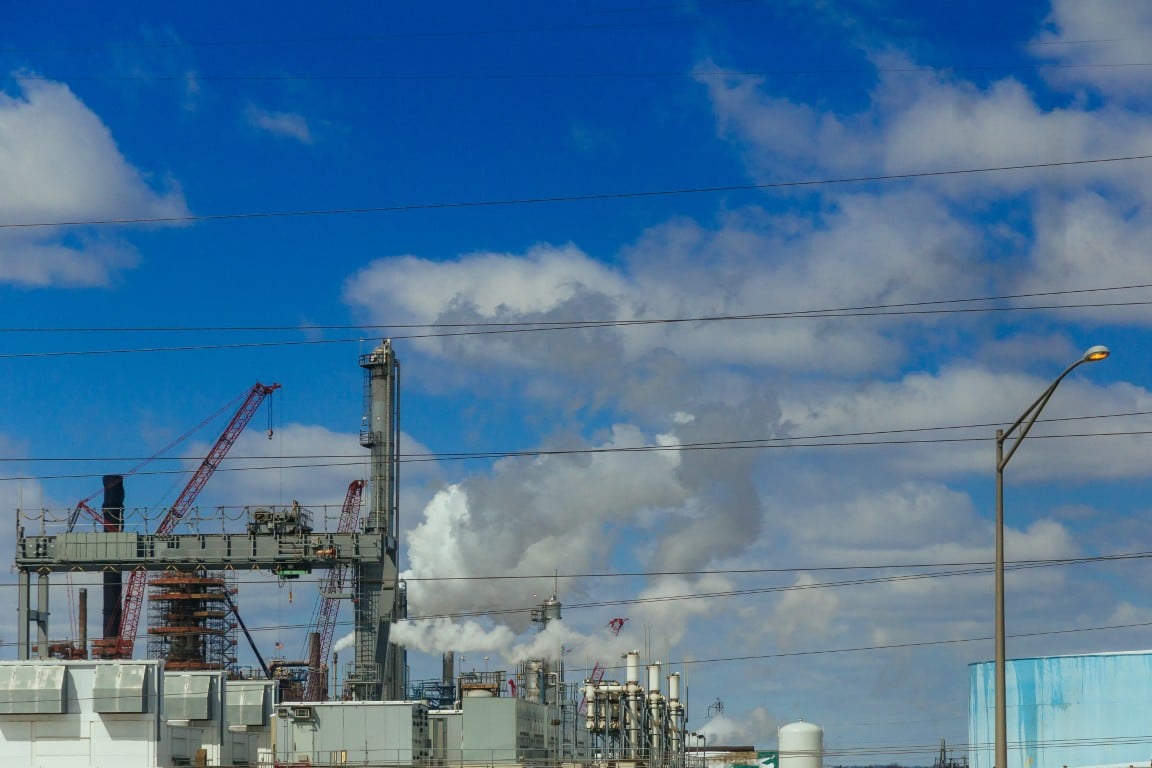
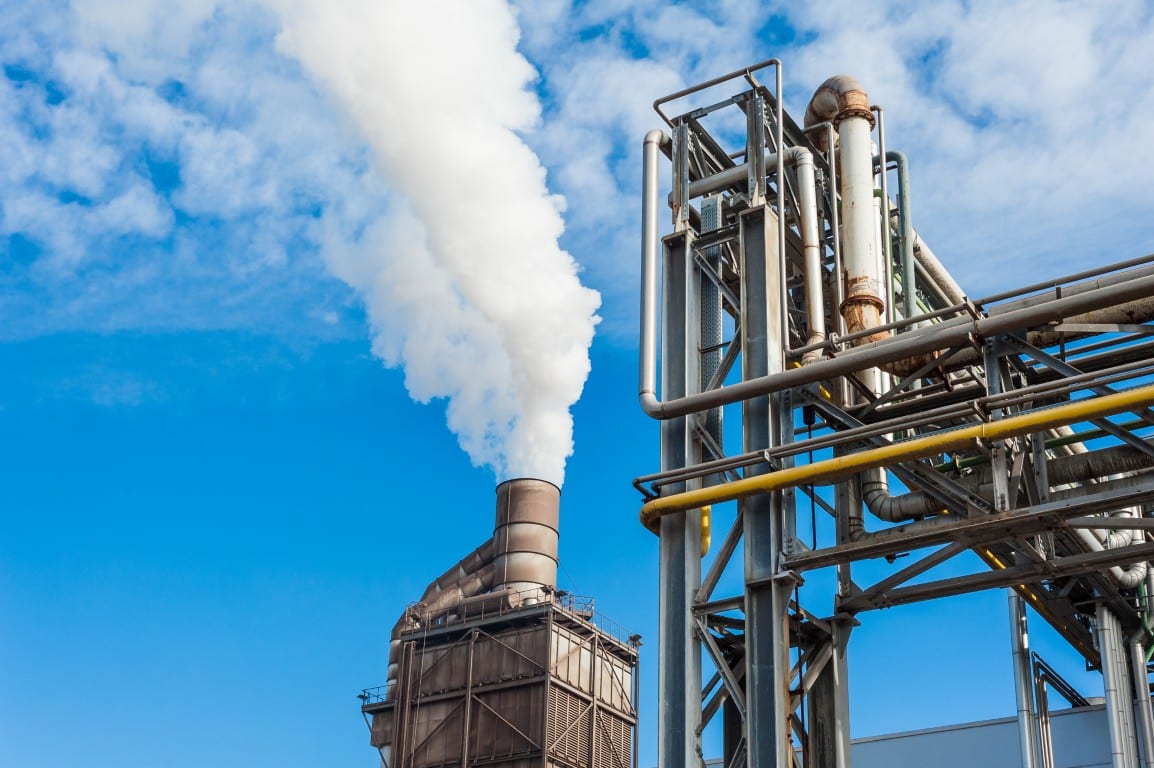
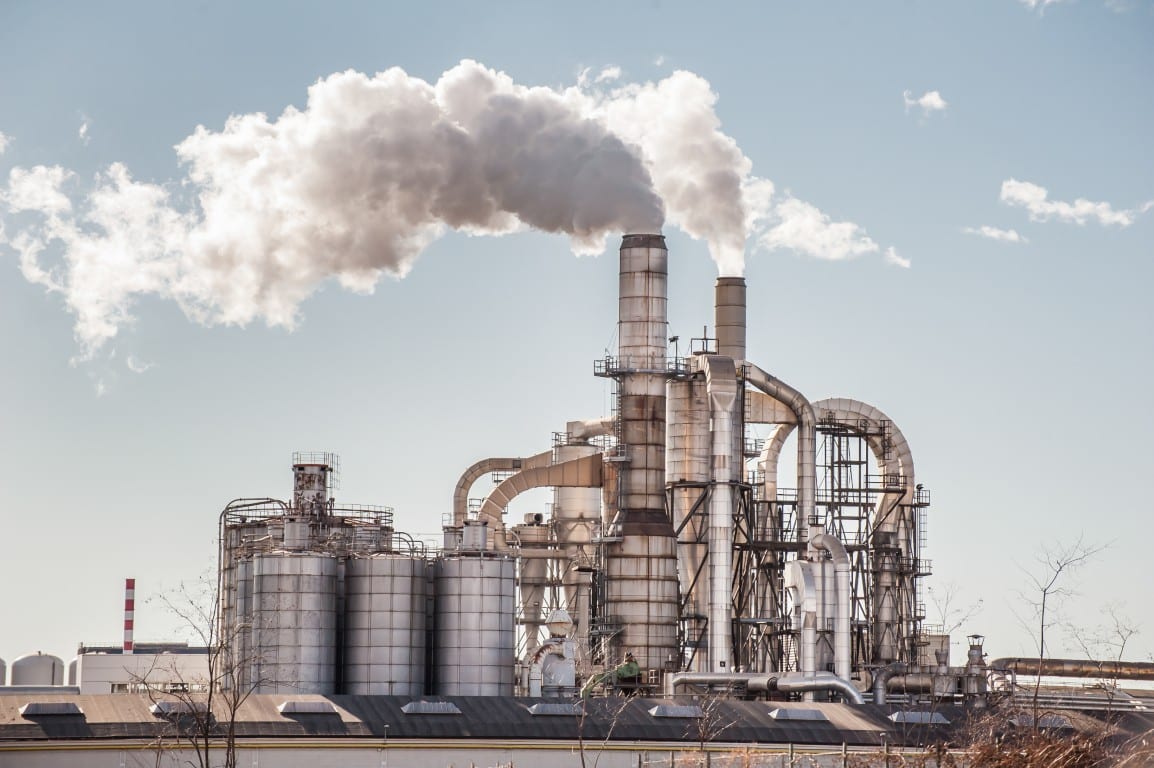
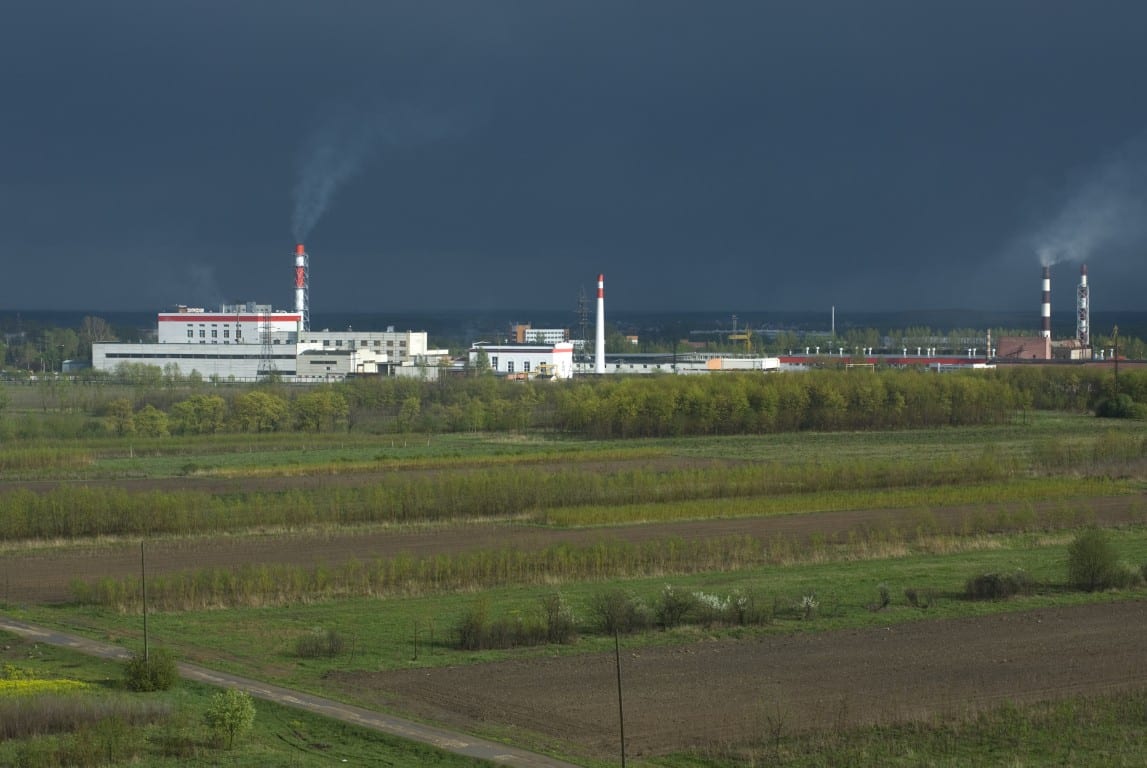
Combustion gas treatment refers to the conditioning and cleaning of exhaust gases generated by furnaces, dryers, thermal oxidizers, boilers, kilns, incineration systems, and other combustion-based or high-temperature processes. The objective is to reduce one or more pollutants before release through the stack or before further recovery steps.
A useful distinction is between particles and gases. Particles are usually handled by filters, cyclones, or electrostatic systems. Gases require different mechanisms. Some gases are captured by chemical reaction in a scrubber. Others are removed by adsorption, where molecules adhere to the surface of a porous solid adsorbent. Adsorption is not the same as absorption, where a substance enters and dissolves into another material.
Typical combustion-related pollutants in industrial environments include:
- VOCs and solvent vapors from coating, drying, printing, or chemical processes
- Hydrogen sulfide (H2S) and other reduced sulfur compounds from waste, wastewater, or biogas systems
- Acid gases such as sulfur dioxide (SO2), hydrogen chloride (HCl), and hydrogen fluoride (HF)
- Odor-causing compounds, often at very low concentrations but with high nuisance impact
- Trace compounds such as dioxins, furans, or heavy metals in specific thermal applications
- Moisture, aerosols, and entrained particulates that can affect downstream treatment performance
Because these pollutants do not behave the same way, a single generic unit is rarely enough for a reliable design. The treatment train must be matched to the process gas, not just to a label such as “combustion exhaust.”
Why factories in Bilbao need a process-specific approach
Industrial facilities in Bilbao often operate in compact sites, with multiple sources feeding shared exhaust systems. That makes gas treatment more complex. A line may generate intermittent peaks during batch production, cleaning cycles, startup, shutdown, or maintenance. These peaks can be more difficult to treat than steady-state emissions because they change concentration, moisture, and temperature at the same time.
For plant managers and environmental teams, the main risk is choosing equipment based on one pollutant while ignoring the rest of the stream. For example, a system designed for VOC adsorption may not handle acidic gases effectively. A pretreatment stage may be necessary if the gas contains high humidity or mist that can reduce adsorption capacity. Similarly, if dust or condensable material reaches the adsorbent bed, pressure drop and performance can be affected.
Factories should also separate these technical questions from regulatory assumptions. Emission compliance depends on the full installation, process stability, monitoring approach, and operational discipline. A treatment system can support compliance efforts, but it does not automatically guarantee compliance by itself.
For that reason, supplier selection in Bilbao should focus on engineering fit. A good proposal starts with the actual source conditions and the pollutant target, not with a generic product size.
Key technologies used for combustion gas treatment
Industrial gas treatment systems are usually selected as part of a broader process chain. The main technologies below are often combined rather than used alone.
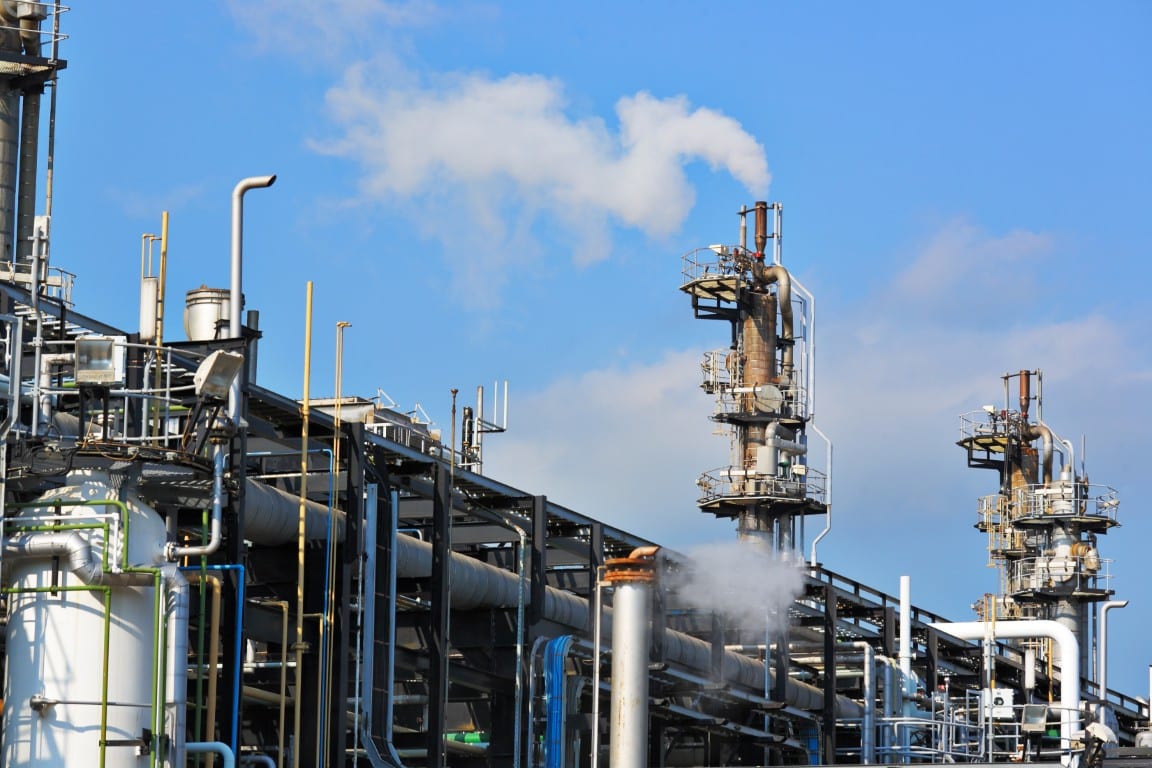
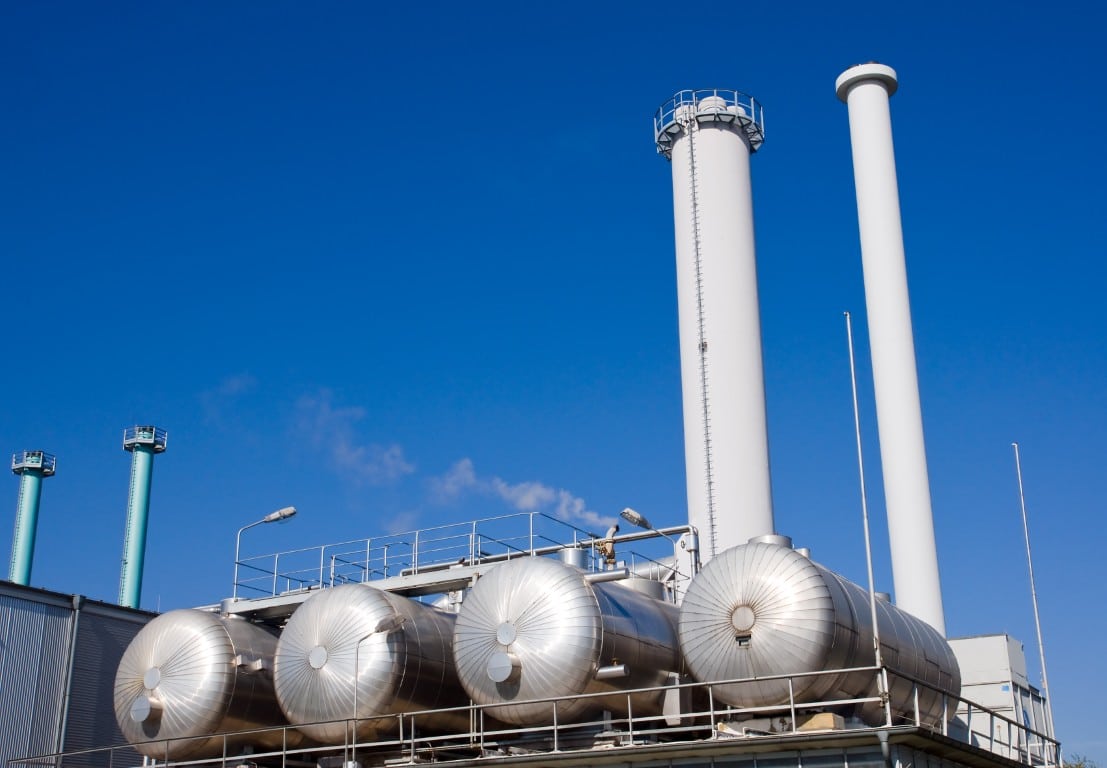
Adsorption on activated carbon or other media
Adsorption is widely used for VOCs, odor compounds, some sulfur compounds, and selected acid gases under the right conditions. The gas passes through a bed of porous solid adsorbent, where target molecules attach to the surface. Performance depends on the adsorbent grade, pore structure, gas velocity, humidity, temperature, and concentration profile.
Activated carbon is often chosen when the objective is to capture low to moderate concentrations of organics or odorants. However, not every carbon grade behaves the same way. Some are better for polar compounds; others are selected for specific molecular sizes or chemical behaviors. In some applications, impregnation or blending is used to improve performance for certain target gases. The correct choice cannot be assumed from the material name alone.
For biogas treatment, adsorption can be used to remove contaminants such as hydrogen sulfide, siloxanes, and some organic trace compounds. This is different from CO2 separation or methane enrichment. Removing contaminants improves gas quality and protects downstream equipment, but it is a separate function from upgrading biogas to biomethane.
When evaluating adsorption, engineers should also consider:
- Gas humidity and condensation risk
- Temperature at the inlet and through the bed
- Presence of aerosols, oil mist, or dust
- Concentration swings and peak loads
- Required service life and maintenance access
Chemical scrubbing and neutralization
Scrubbing is often used for acid gases or soluble compounds. In a wet scrubber, the gas contacts a liquid that absorbs or reacts with the pollutant. This is different from adsorption because the removal mechanism is primarily absorption and/or chemical reaction in the liquid phase.
Wet scrubbing can be effective when the target compounds are highly soluble or reactive, but it introduces its own operational needs: liquid handling, pH control, wastewater management, and corrosion-resistant materials. It is often used upstream of adsorption to reduce the load on the adsorbent medium.
Pretreatment and conditioning
Before the gas reaches the final treatment stage, it may require cooling, demisting, particulate separation, or condensation control. These steps protect the main treatment unit and help stabilize performance.
This is especially important in factories with hot exhaust, process steam, aerosol carryover, or variable humidity. If the gas is not conditioned properly, even a well-selected filter can underperform.
Hybrid systems
Many industrial exhaust streams require a combination of technologies. A typical arrangement may include particulate separation, cooling or mist removal, followed by adsorption or scrubbing. In more complex plants, multiple treatment stages are needed to address different pollutants at different points in the line.
Hybrid design is often the most practical approach when a site has both odor control and acid gas reduction requirements, or when startup emissions differ from normal operation.
What data is needed for a reliable proposal
For factories seeking a technically sound proposal, the quality of the input data matters as much as the chosen equipment. A supplier cannot size or configure the system accurately without understanding the gas stream and the operating profile. This is where many projects fail: the initial description is too general, so the proposed solution is either oversized, underperforming, or difficult to maintain.
Use the following checklist when preparing a request for combustion gas treatment:
- Source description: process type, unit operation, and whether the gas comes from combustion, drying, thermal oxidation, waste handling, biogas, or another source
- Pollutants to treat: VOCs, hydrogen sulfide, SO2, HCl, HF, odor compounds, siloxanes, or other specific contaminants
- Gas flow range: average flow, peak flow, and whether the flow is continuous or batch-based
- Temperature and humidity: inlet conditions, condensation risk, and expected fluctuations
- Dust, mist, or aerosols: any entrained particles or liquids that could affect the treatment stage
- Concentration profile: typical load, peak load, and whether emissions vary by product, shift, or season
- Operating schedule: hours per day, days per week, shutdowns, and startup/shutdown behavior
- Available space and layout: footprint limits, access for maintenance, and connection points
- Utility needs: electricity, water, compressed air, drainage, and ventilation conditions
- Maintenance expectations: preferred service strategy, media replacement access, and monitoring requirements
If measurements are available, they should come from representative operating conditions, not only from a single sample day. For variable production lines, it is also helpful to share historical trends, incident logs, and any known process changes.
This data allows the engineering team to assess whether adsorption alone is appropriate, whether pretreatment is needed, and how the system should be arranged. It also helps avoid treating the wrong pollutant with the wrong mechanism.
How Bionatur approaches industrial gas filtration projects
For plants that need a technically structured path from assessment to operation, Bionatur focuses on industrial gas filtration and adsorption for pollutant-specific treatment. That means starting with the gas composition and the process conditions, then defining the treatment chain around the actual contaminant load.
In projects involving VOCs, H2S, SO2, HCl, HF, dioxins, furans, heavy metals, or biogas contaminants, the key is to match the treatment principle to the pollutant family. A solid adsorbent can be a strong option for some gases, but only when the inlet stream is suitable and the operating conditions are understood. The same is true for the industrial gas treatment solutions used in more complex factory installations.
Bionatur’s integral service model is relevant for factories that want one technical path from assessment through operation. That can include:
- Initial assessment of the gas stream and treatment target
- Engineering and system definition
- Supply and installation of the selected treatment equipment
- Commissioning and start-up support
- Maintenance planning and media replacement
- Management of spent materials where applicable
For buyers, this matters because gas treatment performance is not defined by equipment alone. It depends on correct sizing, installation quality, maintenance discipline, and the stability of the process itself. A system that works under one set of conditions may not perform the same way if the gas temperature, moisture, or loading changes substantially.
Where the BR350 is being considered, the evaluation should remain evidence-based. Its suitability must be confirmed against the actual pollutant profile, gas flow, temperature, humidity, and contamination pattern. No model should be selected simply because it is known in the market; it must be assessed against the process data for the site.
Operational points that influence long-term performance
Once a gas treatment system is in service, the main challenge is maintaining stable performance over time. That requires more than occasional inspection. Operators should track process conditions that influence the load on the treatment stage and should respond to changes before the system becomes ineffective.
Important operational factors include pressure drop, inlet temperature, humidity, and load fluctuations. If the gas becomes wetter than expected, adsorption capacity can be reduced. If dust or mist enters the unit, flow resistance may rise. If pollutant concentration increases for long periods, the adsorbent medium may need earlier replacement than originally estimated.
Monitoring should focus on the indicators relevant to the chosen technology. For example, for adsorption systems, teams may monitor breakthrough trends and pressure drop. For wet systems, pH, liquid quality, and circulation performance are often more relevant. The right monitoring plan depends on the process and the equipment, not on a generic maintenance schedule.
It is also important not to rely on odor as a safety indicator or a performance test. Some hazardous gases can be present at levels that are not reliably perceived by smell. Professional monitoring and engineered controls are necessary for safe operation.
From a maintenance perspective, planning matters. Plants should know how the unit will be serviced, how spent adsorbent or other exhausted materials will be handled, and what downtime is acceptable during media replacement or cleaning. This is especially important for continuous production sites.
FAQ
Is combustion gas treatment the same as dust filtration?
No. Dust filtration removes particles, while combustion gas treatment may also address gaseous pollutants such as VOCs, hydrogen sulfide, SO2, HCl, HF, and odor compounds. Many industrial systems need both particle removal and gas-phase treatment.
Can activated carbon solve every exhaust gas problem?
No. Activated carbon works well in some adsorption applications, but it is not suitable for every pollutant or every gas condition. Suitability depends on the contaminant, humidity, temperature, concentration, and the selected adsorbent grade.
What information should a factory send for a proposal?
Provide the source description, target pollutants, gas flow, temperature, humidity, concentration range, operating schedule, space constraints, and any available measurements or operating history. The more representative the data, the more reliable the proposal will be.
How is biogas contaminant removal different from biogas upgrading?
Contaminant removal focuses on taking out pollutants such as hydrogen sulfide, siloxanes, and other trace compounds. Upgrading focuses on separating CO2 to enrich methane. These are related but distinct steps.
Should maintenance teams open the adsorbent bed to check performance?
Not as a routine practice. Performance is better assessed through the system’s operating indicators and maintenance plan. Internal inspection or media replacement should follow the proper service procedure.
For factories in Bilbao, the best combustion gas treatment solution is the one built from real process data, not assumptions. If you are planning a new installation or reviewing an existing one, request a technical assessment to define the right treatment approach for your exhaust stream.