
+ 34 934 920 474
09:00 AM – 05:00 PM
Lunes a Viernes
6abd1303eb4ee_bionatur_emisiones-4

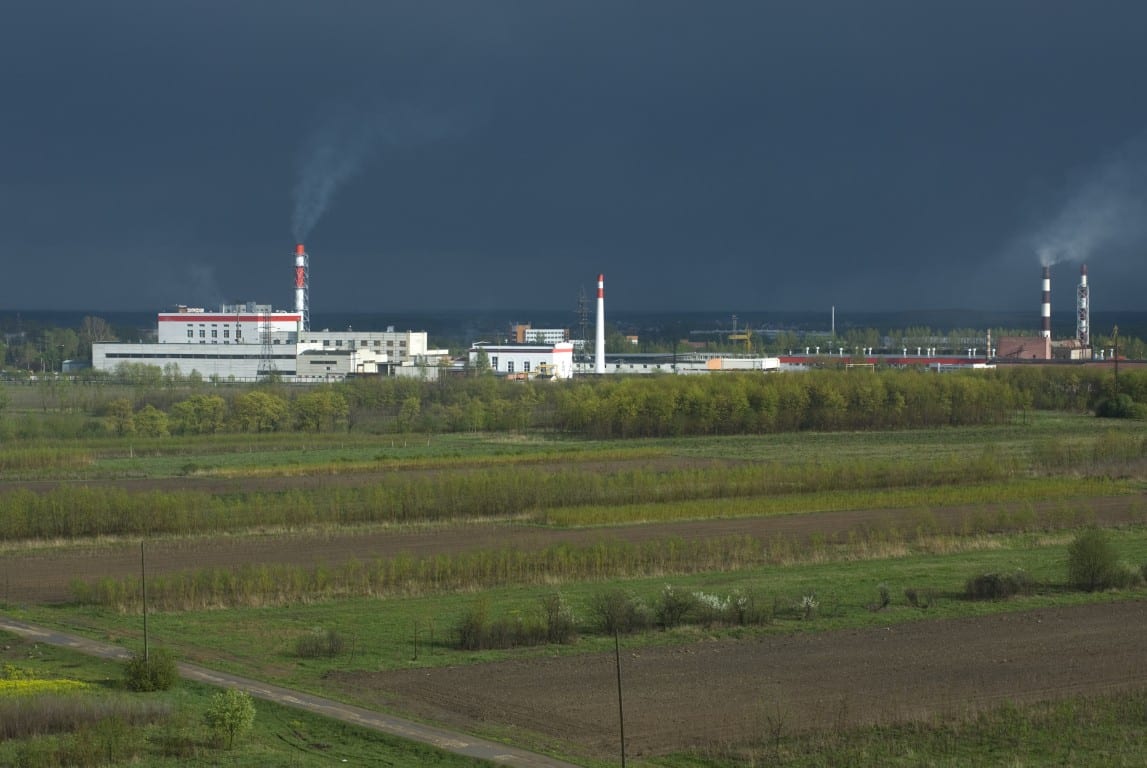
VOC Removal from Industrial Coating Lines in Zaragoza

VOC removal from industrial coating lines in Zaragoza is usually approached as an engineering problem, not a single-product purchase. The right treatment depends on which volatile organic compounds are present, how the line is operated, and whether the exhaust contains only vapors or a mix of vapor, overspray particles, humidity, and trace by-products. For paint, varnish, adhesive, and surface-finishing operations, the goal is to reduce VOC emissions in a controlled way while protecting process stability, maintenance access, and downstream compliance work.

In practice, the most common technical route is adsorption on an adsorbent medium, often activated carbon or another specialized carbon grade selected for the target vapors. Adsorption is different from absorption: the pollutant molecules attach to the surface of the solid adsorbent rather than being dissolved into a liquid phase. That distinction matters because not every exhaust stream is suitable for the same treatment. Temperature, humidity, airflow, concentration peaks, and solvent mix all influence whether a carbon-based system is a good fit and how it should be engineered.

For plants in Zaragoza looking at supplier selection, the real question is not whether VOC treatment is possible, but how to size and specify it correctly. A technical proposal should be based on process data, not assumptions. It should also separate VOC capture from particulate removal, because a coating exhaust stream may need prefiltration before adsorption, especially where overspray or dust can shorten bed life or create pressure-drop problems.

What VOC removal must solve on a coating line

Industrial coating lines can emit a wide range of VOCs, depending on the formulation and the stage of the process. Typical sources include mixing, spraying, flash-off zones, flash curing, ovens, cleaning stations, and solvent handling points. The treatment objective is usually to control solvent vapor emissions without disrupting coating quality or production rhythm.

A useful first step is to define what the exhaust actually contains. A coating line may release:

  • Solvent vapors from paints, thinners, cleaners, and resins.
  • Odor-causing organic compounds that may be noticed even at relatively low concentrations.
  • Overspray particles or fine droplets that are not gases and must be removed separately.
  • Warm, humid air from ovens or process zones, which changes adsorption behavior.
  • Intermittent peaks during cleaning or batch changeover.

That mix matters because adsorption systems are not universal catch-all devices. They work by attracting target molecules to the surface of a porous solid. If the stream contains excessive dust, liquid mist, or high water vapor loads, the adsorbent medium may load differently or lose effectiveness sooner than expected. In some lines, pre-separation of particles or condensables is just as important as the final VOC stage.

Coating operations in the chemical, automotive, ceramic, metallurgical, pharmaceutical, paint, plastics, and petrochemical sectors often share the same basic challenge: solvent emissions vary with product type and production schedule. That means a fixed “one-size-fits-all” design is rarely the best answer. The treatment package should be matched to the actual emission profile of the line.

Adsorption basics and where activated carbon fits

Adsorption is the most common VOC-control principle for many industrial coating exhausts because it is compact, adaptable, and suitable for low-to-moderate concentration streams when properly engineered. A solid adsorbent presents a large internal surface area, allowing organic molecules to adhere to the surface as the exhaust passes through the bed.

Activated carbon is widely used because it offers high surface area and broad affinity for many organic vapors. However, carbon is not a magic material. Performance depends on:

  • Pollutant type: some VOCs are adsorbed more readily than others.
  • Concentration profile: steady loads behave differently from short peaks.
  • Temperature: warmer gases often reduce adsorption capacity.
  • Relative humidity: water vapor can compete for adsorption sites.
  • Contaminants other than VOCs: particles, mist, acid gases, or reactive compounds may require separate treatment.

It is also important to distinguish VOC removal from particle control. Filters and adsorbers serve different functions. A particulate filter captures solids and droplets; an adsorber removes vapor-phase molecules. A coating line exhaust often benefits from both stages, arranged in the right order. If the stream is contaminated with overspray, a prefilter or mist separator can help protect the adsorbent medium and stabilize pressure drop.

For some streams, more specialized carbon grades or impregnated carbons may be considered. Those choices depend on the chemistry of the vapor stream, the presence of reactive compounds, and the risk of moisture interference. The selection should be made from process data, not from a generic catalog assumption. This is where an engineering supplier such as Bionatur adds value: by matching the treatment concept to the actual exhaust rather than forcing the process into a standard box.

When a carbon bed is not enough

Carbon adsorption is effective for many solvent vapors, but it does not treat every emission scenario in the same way. A coating line may require another process step if it has very high solvent concentration, elevated oxygen content with thermal risks, strong temperature swings, or significant particulate loading. In some cases, recovery, thermal oxidation, or a hybrid approach may be more appropriate. The correct solution depends on the whole process envelope, not only on the chemical name of the solvent.

What process data is needed before proposing a system

For plants in Zaragoza seeking VOC removal from industrial coating lines, a credible proposal starts with a process review. The data below are usually the minimum needed to define the technical scope and avoid undersizing, oversizing, or selecting the wrong treatment concept.

  • Exhaust flow rate for each capture point or duct section, including normal and peak conditions.
  • VOC composition if available, including main solvents and any known co-contaminants.
  • Concentration range and whether the load is steady, batch-based, or highly variable.
  • Gas temperature at the treatment inlet and possible temperature peaks.
  • Relative humidity and whether condensate can form in the ducting.
  • Presence of particles, overspray, aerosols, or sticky residues.
  • Operating schedule: hours per day, batch cycles, cleaning cycles, and shutdown behavior.
  • Space constraints, duct routing, and maintenance access limits.
  • Utility and integration needs, such as fans, instrumentation, or bypass arrangements.
  • Any special safety constraints, including solvent compatibility and hot-process conditions.

This is also the point where the distinction between gases and particles becomes practical. If the exhaust includes paint mist or fine solid carryover, a simple adsorber alone may be poorly protected. Likewise, if the stream is hot and humid, a temperature or moisture management step may be needed before adsorption. These are not secondary details; they determine whether the system performs as expected.

For a supplier proposal, the plant team should also describe the objective of treatment. Is the priority odor reduction, solvent abatement, recovery, a specific process step, or a combination? Is the line continuous or batch-operated? Is the exhaust routed centrally or from several capture points? Answers like these help define the engineering basis. Bionatur’s scope can include assessment, engineering, supply, installation, commissioning, maintenance, media replacement, and management of spent materials, but only when the process data support the selected design.

How to evaluate supplier suitability in Zaragoza

When comparing suppliers for coating-line VOC control, the most useful question is not who has the broadest marketing claim. It is who can demonstrate a sound process-based design. A technically capable proposal should explain the treatment principle, the assumptions used, and the maintenance implications. It should also say what is not being claimed.

Useful selection criteria include:

  • Process understanding: ability to differentiate VOC vapor treatment from dust capture, odor treatment, and gas-specific contaminant removal.
  • Engineering basis: transparent use of flow, temperature, humidity, and concentration data.
  • Media selection logic: why a given adsorbent medium or carbon grade is being proposed.
  • Integration approach: how the unit fits into the existing line, ductwork, and control philosophy.
  • Maintenance concept: how loading is monitored and how media replacement is managed.
  • Safety awareness: recognition of flammability, hot gas, and solvent handling considerations where relevant.

It is also reasonable to ask how the supplier will support commissioning and routine operation. VOC control equipment is not only a hardware purchase; it is a process interface. If the line changes product mix or operating schedule, the treatment strategy may need adjustment. A good engineering partner helps the plant manage that change rather than leaving it to guesswork.

For companies with broader gas-treatment needs, including H2S, SO2, HCl, HF, dioxins, furans, heavy metals, or biogas contaminants, it is useful to work with a supplier that understands pollutant-specific treatment rather than only generic filtration. Bionatur’s industrial gas treatment approach is designed around that principle, with the treatment medium and system architecture chosen according to the actual contaminant and process conditions. More detail is available through industrial gas treatment solutions for process exhausts.

Operation, monitoring, and maintenance considerations

Once a VOC adsorption system is installed, performance depends on routine process discipline. Monitoring should focus on operating conditions that influence adsorption capacity and pressure drop, not on informal observations. Odor by itself is not a reliable performance indicator, and it should never be used as a safety check. Likewise, H2S or other hazardous gases should be assessed with proper measurement and control practices, not by smell.

Common operational issues in coating-line treatment include:

  • Unexpected concentration spikes during cleaning or product changeover.
  • Higher humidity than expected, reducing adsorption efficiency.
  • Carryover of paint mist or dust into the adsorbent bed.
  • Temperature excursions that alter vapor loading behavior.
  • Poor duct balancing that sends more flow to one capture point than intended.

Maintenance teams should focus on external indicators and system instrumentation rather than opening the adsorbent vessel. Pressure drop trends, airflow stability, and upstream filtration condition are all useful signs. If a system uses activated carbon, the replacement plan should be based on process load and monitored operating behavior. The right interval cannot be generalized without site data, because gas composition, humidity, and concentration pattern have a direct effect on service life.

Spent adsorbent handling also needs attention. The treatment media may contain captured VOCs or other contaminants, so disposal or recovery must follow the applicable waste-management procedure for the site and the local jurisdiction. If the stream includes both VOCs and another pollutant class, such as acid gas or reactive compounds, the spent material may need additional characterization before removal. That is another reason not to treat carbon as a universal solution.

When biogas, wastewater, or energy operations are part of the same site

Many industrial plants in Zaragoza operate more than one process at a time. A coating line may sit alongside wastewater treatment, solvent handling, energy systems, or biogas equipment. In those cases, it is important not to blur different treatment objectives.

Biogas contaminant removal is not the same as methane enrichment. Removing hydrogen sulfide, siloxanes, or other impurities improves gas quality and protects equipment, but it is a different task from separating CO2 to raise methane concentration. The same general principle applies to wastewater and waste operations: each contaminant class needs its own treatment logic. Activated carbon may be one element in a broader gas-treatment or water-treatment strategy, but it should only be specified for the contaminants and operating conditions it is actually suited to address.

If your plant is evaluating multiple emission points, it can be efficient to review them together, especially when some streams are vapor-phase and others involve acid gases or odor control. However, each stream still needs its own data set and design basis. Combining systems without careful analysis can create maintenance problems or reduce effectiveness.

FAQ

Is activated carbon always the best solution for VOCs from coating lines?

No. Activated carbon is often useful for VOC adsorption, but suitability depends on the solvent mix, concentration, humidity, temperature, and whether the exhaust also contains mist or particles. Some lines need prefiltration, a hybrid system, or another treatment concept.

What information should I prepare before requesting a proposal?

Provide exhaust flow rates, solvent composition if known, concentration pattern, temperature, humidity, operating schedule, and any dust, overspray, or aerosol content. It also helps to describe space limits, duct layout, and the treatment objective, such as odor reduction or solvent abatement.

Can a VOC adsorber handle paint overspray?

Not by itself. Overspray is particulate or droplet carryover, not vapor. It should be removed with appropriate particle or mist control before the gas reaches the adsorbent medium.

How is adsorption different from absorption?

Quizás también te interese:  HCl Removal from Chemical Process Emissions

Adsorption captures molecules on the surface of a solid adsorbent. Absorption moves them into the bulk of another medium, often a liquid. The two processes are not interchangeable, and the right one depends on the pollutant and process conditions.

Does VOC removal guarantee regulatory compliance?

No system can guarantee compliance on its own. Compliance depends on the full design, operation, monitoring, maintenance, and the applicable local requirements. A good system is engineered to support compliance, but it does not replace proper site management.

Quizás también te interese:  Hydrogen Sulfide Removal from Industrial Gas Streams

If you are evaluating VOC removal from an industrial coating line in Zaragoza, the best next step is a technical assessment based on your real process data. That is the most reliable way to define the right treatment concept, media selection, and maintenance plan.
6abcf55894fe2_gases_bionatur-17

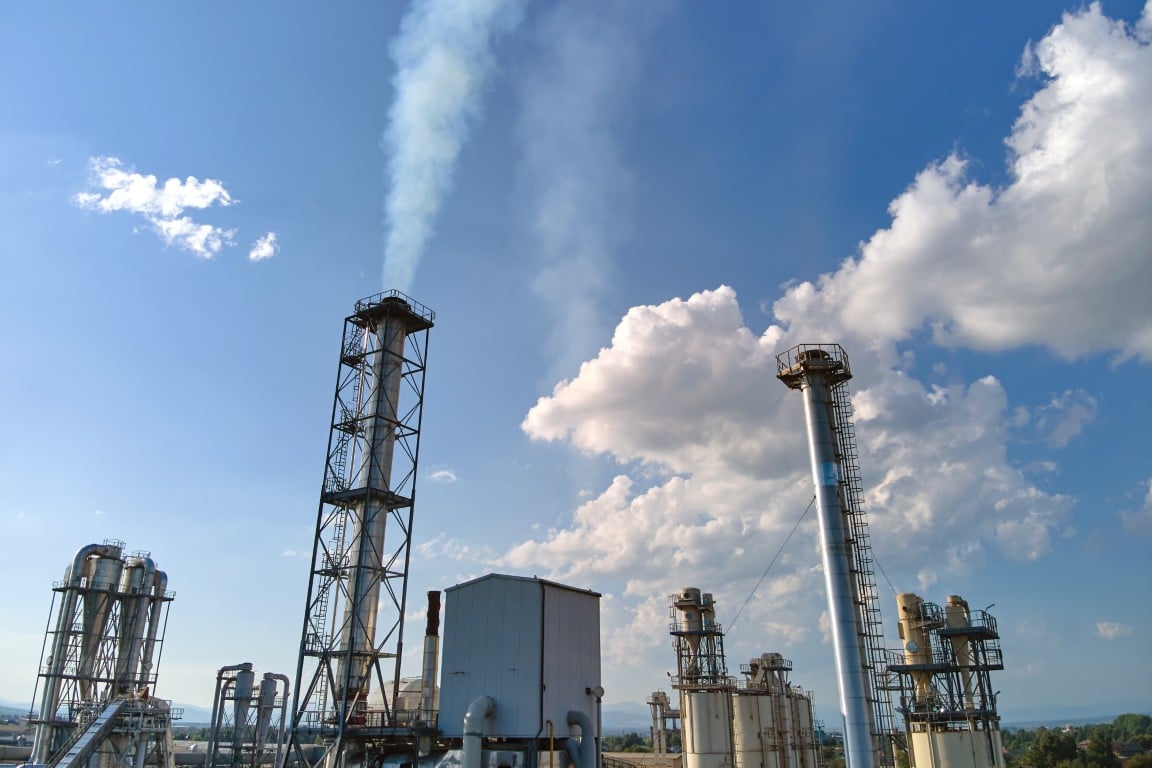
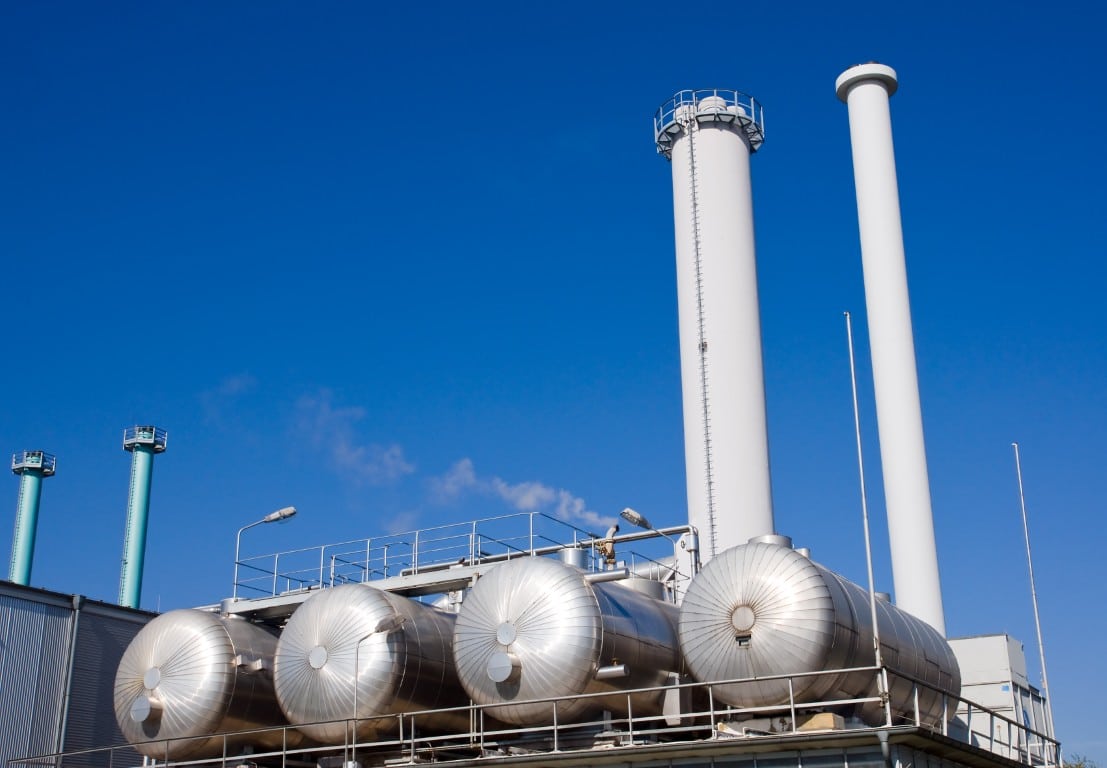
Gas Treatment for Automotive Manufacturers in Zaragoza

In automotive manufacturing, gas treatment is not a single accessory task. It is part of how a plant controls solvent vapors, acid gases, odorous emissions, and process byproducts that can appear in paint shops, pretreatment lines, battery-related operations, welding areas, chemical storage, and utility systems. For manufacturers in Zaragoza, the right approach depends on the exact pollutants, the airflow, the temperature and humidity of the stream, and whether the issue is continuous, intermittent, or linked to batch production.

Effective gas treatment for automotive manufacturers in Zaragoza usually combines source capture, ducting, and a treatment stage designed for the specific contaminant profile. In many cases, that means adsorption with a solid adsorbent medium, but adsorption is not the same as absorption, and neither concept should be treated as universal. A technically sound project starts with characterization of the gas stream and ends with a system that fits the process, the maintenance plan, and the plant’s operating reality.

What automotive plants typically need to control

Automotive production is rarely a single emission source. A plant may release different gas streams from paint booths, flash-off zones, spray application, solvent handling, resin curing, surface preparation, wastewater treatment, engine test areas, energy systems, or auxiliary equipment. The challenge is not only concentration, but also variability. A plant may face peaks during cleaning, startup, line changeover, or maintenance.

Common contaminants and emission concerns include:

  • VOCs from paints, thinners, coatings, cleaners, adhesives, and degreasing operations.
  • Odorous compounds that can create nuisance even when concentrations are relatively low.
  • Hydrogen sulfide (H2S) and other reduced sulfur compounds in wastewater and waste handling areas.
  • Acid gases such as SO2, HCl, and HF in certain thermal, chemical, or treatment-related operations.
  • Particulate matter from overspray, dust, or combustion sources, which is often managed separately from gas-phase pollutants.
  • Specialized contaminants such as siloxanes in biogas systems or trace organics in utility and treatment streams.

It is important to separate gases from particles. A gas treatment system can target vapor-phase pollutants, but it does not automatically solve particulate capture. In many plants, prefiltration or upstream dust control is needed before adsorption equipment can perform properly and avoid premature loading.

How gas treatment is selected for an automotive facility

The best treatment option is driven by process data, not by a generic industry label. For a proposal or internal project review, engineers and environmental managers should define the source, the contaminant, and the operating envelope as precisely as possible. This is the point at which a supplier such as Bionatur can evaluate whether adsorption, chemical treatment, or a hybrid configuration makes technical sense.

The core selection criteria are straightforward:

  • Pollutant type: VOCs, H2S, acid gases, odor compounds, siloxanes, or mixed streams.
  • Flow rate: average, peak, and minimum gas flow.
  • Concentration profile: steady or variable loading, including expected spikes.
  • Temperature: continuous and peak values, especially at startup or during curing.
  • Humidity and condensation risk: moisture can change adsorption behavior and promote channeling or fouling.
  • Presence of particulates, aerosols, or sticky condensables: these can block the bed or require pretreatment.
  • Corrosive components: acid gases may require different materials and process design.
  • Space, access, and maintenance conditions: equipment layout matters for installation and media replacement.
  • Operating schedule: 24/7 operation, batch cycles, or seasonal changes affect sizing and maintenance planning.

For project development, a good technical file should include process flow diagrams, a list of emission points, sampling data if available, gas temperature and humidity, exhaust fan details, safety constraints, and any current treatment equipment. If the plant has multiple sources, it is useful to indicate whether the goal is centralized treatment or several local capture points with separate polishing stages.

For industrial buyers, one practical rule applies: do not ask for a filter recommendation before defining the process gas. A proposal based only on plant type is usually too vague to be reliable. The more realistic the input data, the more useful the design discussion will be.

Adsorption, absorption, and when they are not interchangeable

Many discussions about gas treatment blur terms that should remain distinct. That can create confusion during procurement and commissioning. In industrial air pollution control, adsorption means pollutant molecules adhere to the surface of a solid adsorbent medium. Absorption means the contaminant enters or dissolves into another phase, usually a liquid. The two processes are different, and the choice between them depends on the pollutant and the stream conditions.

For automotive manufacturing, adsorption is often selected when the target is a vapor-phase contaminant such as certain VOCs or odor compounds. It is also relevant in some H2S control applications and in polishing stages for mixed gas streams. However, adsorption capacity is finite, and performance depends on the pollutant load, the contact time, the gas composition, and the moisture content. A higher concentration does not always mean a better fit for a carbon-based system; it may require a different adsorbent grade, staging, or a different technology altogether.

Absorption can be appropriate where a contaminant is better captured in a liquid phase, but liquid scrubbing is not automatically superior. It may generate a wastewater stream that needs its own treatment and management. For that reason, the best choice is not the “strongest” technology in abstract terms, but the one that aligns with the plant’s actual pollutant profile and downstream handling options.

In practice, many automotive sites use a combination of capture, preconditioning, and a final treatment step. That arrangement can be especially useful where the exhaust stream is variable or where a single technology would be overloaded by peaks.

Where BR350 can fit in a treatment strategy

When a plant is evaluating a specific filter or adsorption unit, the important question is not the model name alone, but whether the equipment can be matched to the gas composition and process conditions. Bionatur’s BR350 is a priority filter in its portfolio, so it may come into the discussion when an automotive manufacturer needs a compact or targeted treatment solution. Even so, suitability cannot be assumed from the model name. It must be verified against the actual pollutants, flow, temperature, humidity, and loading profile.

That distinction matters. A well-designed adsorbent system can be effective in a narrow or defined application, but it is not a universal answer for every emission source in an automotive plant. The same equipment may behave very differently depending on whether the stream contains VOCs, H2S, mixed odorous gases, or compounds that can compete for adsorption sites. In addition, moisture can strongly influence how a solid adsorbent medium performs.

General technical considerations for any adsorbent-based solution include:

  • Competitive adsorption: multiple compounds can compete for the same active surface.
  • Humidity effects: water vapor may reduce capacity for some contaminants or alter mass transfer.
  • Temperature: higher temperatures often reduce adsorption efficiency for many vapor-phase pollutants.
  • Pressure drop: excessive resistance can affect fan performance and operating cost.
  • Ingress of particles or condensate: these can shorten service life if upstream protection is inadequate.

For this reason, BR350 should be considered only after the process data are reviewed. If the stream is stable and the contaminant profile is well defined, the assessment is simpler. If the gas composition changes throughout the day or across production campaigns, the proposal may need staged treatment, buffer capacity, or a different configuration. Bionatur works with industrial gas filtration and pollutant-specific treatment, so the real value is in matching the system to the emission profile rather than forcing a standard solution onto every source.

Biogas, wastewater, waste, and energy streams in automotive plants

Automotive factories do not only deal with paint and solvent emissions. Many facilities also operate wastewater treatment, sludge handling, waste storage, or energy systems that generate gas streams requiring treatment. These are often overlooked until odor complaints, corrosion, or equipment degradation become a problem.

In biogas applications, it is important to distinguish contaminant removal from methane enrichment. Removing H2S, siloxanes, and other unwanted compounds improves gas quality and protects downstream equipment, but it is not the same as increasing methane concentration. Biogas treatment should therefore be specified by the actual goal: gas cleaning, engine protection, odor control, or preparation for further use. One should not assume that a contaminant-removal stage also delivers upgrading performance.

Typical treatment concerns in these auxiliary streams include:

  • Hydrogen sulfide in wastewater and anaerobic digestion systems.
  • Siloxanes in biogas from certain waste or sludge routes, which can create deposits when combusted.
  • Odor compounds from waste transfer, sludge dewatering, or enclosed storage areas.
  • Corrosive gases that can attack ducts, fans, and downstream equipment if not controlled.

Activated carbon and other adsorbent media are widely used in these contexts, but the selection must be deliberate. Different grades are designed for different pollutant families, and not every carbon is suitable for every gas stream. Process chemistry, moisture, and contaminants that might poison the bed all need to be reviewed before specifying the equipment.

Bionatur also works in activated-carbon treatment for industrial water and wastewater, but gas treatment remains a separate design discipline. For automotive manufacturers, the key point is that wastewater, waste, and energy systems should be included in the emission audit rather than treated as side issues.

What a reliable supplier proposal should include

A serious proposal for gas treatment should not stop at a catalog reference. It should show how the proposed system matches the plant data, what assumptions were used, and what operational obligations the site will have. This is especially important for industrial buyers who need to compare options across different emission sources or prepare a capital request.

A complete technical proposal typically includes:

  • Source description and operating mode, including whether the gas is continuous or intermittent.
  • Pollutant list with known or expected target compounds.
  • Flow data for average and peak conditions.
  • Temperature and humidity ranges.
  • Any particulate, aerosol, or condensate content that could affect treatment.
  • Recommended preconditioning, if required.
  • Proposed treatment principle, such as adsorption or a combined system.
  • Installation and integration needs, including fan and duct compatibility.
  • Maintenance approach, including monitoring and replacement planning.
  • Spent material handling considerations, where applicable.

It is also useful to define the site’s constraints early: access for lifting or replacement, allowable downtime, connection points, and any safety or permitting requirements that affect installation. Good engineering reduces surprises during commissioning and helps prevent an undersized or overcomplicated system.

For plants that need a complete treatment project rather than only a unit supply, Bionatur’s integral service can cover assessment, engineering, supply, installation, commissioning, maintenance, media replacement, and management of spent materials. That kind of end-to-end support is especially valuable where the emission stream is variable or where the plant does not want to coordinate multiple contractors for one pollution-control package.

Maintenance, monitoring, and long-term performance

Gas treatment equipment performs best when it is monitored as part of the plant’s routine maintenance system. The objective is not to react only when a complaint or operational issue appears. It is to track the factors that influence performance before the system drifts out of specification.

For adsorption-based systems, operators should monitor pressure drop, inlet and outlet conditions, fan behavior, and any process changes that could affect loading. A change in exhaust temperature, humidity, or contaminant mix can alter service life significantly. Replacement timing should be based on operating data and performance trends, not on guesswork or smell. Odor is not a reliable safety indicator, especially for H2S.

General maintenance good practice includes:

  • Keeping inlet conditions within the design assumptions as much as possible.
  • Preventing liquid carryover, condensate, or particle buildup upstream of the treatment stage.
  • Reviewing process changes before they affect the gas stream.
  • Using measured data to decide when adsorbent replacement or service is needed.
  • Managing spent material safely and according to the applicable site procedure and waste classification.

Plants that operate around the clock or in high-variability cycles should plan for shorter review intervals and more frequent data checks. If the stream contains sticky compounds, corrosive gases, or high humidity, the maintenance strategy becomes even more important. In those cases, a well-designed system can still be effective, but only if the process assumptions are kept under control.

For manufacturers in Zaragoza looking for a practical path forward, the right first step is a technical assessment based on actual process data. That is the most reliable way to determine whether adsorption, a hybrid arrangement, or a different gas treatment approach is appropriate. If you need help evaluating a specific emission source, Bionatur can review the operating conditions and define a suitable treatment concept.

FAQ

Is adsorption the same as absorption?

No. Adsorption captures molecules on the surface of a solid adsorbent medium, while absorption transfers a contaminant into another phase, often a liquid. They are different processes and are chosen for different emission profiles.

Can one gas treatment system handle all emissions from an automotive plant?

Quizás también te interese:  Industrial Gas Filters in Series or Parallel

Usually not. Paint-shop VOCs, wastewater H2S, acid gases, and biogas contaminants may require different treatment approaches or separate stages. The system should be designed around the actual source and pollutant profile.

How do I know whether BR350 is appropriate?

It must be evaluated against the real process data: pollutant type, flow rate, temperature, humidity, concentration profile, and any particulate or condensate load. The model name alone is not enough to confirm suitability.

Quizás también te interese:  Contact Time in Activated Carbon Water Filters

Does activated carbon remove every contaminant?

No. Activated carbon is effective for many vapor-phase pollutants, but not all contaminants. Performance depends on the compound, the carbon grade, and the process conditions. Some applications need pre-treatment or a different technology.

What information should I prepare before requesting a proposal?

Prepare source identification, flow data, contaminant information, temperature and humidity ranges, operating schedule, and any upstream conditions that may affect the gas stream. The more precise the data, the more accurate the proposal.

6abcf595a9e51_plantas_industriales_reducir_gases-5

Combustion Gas Treatment for Factories in Bilbao

Combustion gas treatment for factories in Bilbao is a process engineering challenge, not just an emissions-control purchase. Industrial exhaust streams can contain a mix of acidic gases, VOCs, odors, particulate matter, moisture, and trace compounds that behave very differently in a filter, scrubber, or adsorber. The right solution depends on what is in the gas, how much gas is produced, and how the process changes over time.

For factories in chemical, automotive, ceramic, metallurgical, pharmaceutical, paint, plastics, and petrochemical production, the main goal is to select a treatment system that matches the real exhaust profile. That means identifying whether the target is pollutant capture, odor control, acid gas reduction, or a combination of these functions. In some plants, the exhaust also includes contaminants from thermal treatment, waste handling, biogas utilization, or energy recovery systems. The technical choice must be based on process data, not assumptions.

In practice, combustion gas treatment can include dust removal, gas cooling, chemical scrubbing, adsorption on a solid adsorbent, or hybrid systems that combine several steps. Activated carbon is often used for adsorption of specific gaseous pollutants, but it is not a universal solution for every emission. Selecting the right media, contact time, and pretreatment requires an understanding of the chemistry, humidity, temperature, and concentration profile of the gas stream.

What combustion gas treatment means in an industrial plant

Combustion gas treatment refers to the conditioning and cleaning of exhaust gases generated by furnaces, dryers, thermal oxidizers, boilers, kilns, incineration systems, and other combustion-based or high-temperature processes. The objective is to reduce one or more pollutants before release through the stack or before further recovery steps.

Quizás también te interese:  Hydrogen Sulfide Removal from Industrial Gas Streams

A useful distinction is between particles and gases. Particles are usually handled by filters, cyclones, or electrostatic systems. Gases require different mechanisms. Some gases are captured by chemical reaction in a scrubber. Others are removed by adsorption, where molecules adhere to the surface of a porous solid adsorbent. Adsorption is not the same as absorption, where a substance enters and dissolves into another material.

Typical combustion-related pollutants in industrial environments include:

  • VOCs and solvent vapors from coating, drying, printing, or chemical processes
  • Hydrogen sulfide (H2S) and other reduced sulfur compounds from waste, wastewater, or biogas systems
  • Acid gases such as sulfur dioxide (SO2), hydrogen chloride (HCl), and hydrogen fluoride (HF)
  • Odor-causing compounds, often at very low concentrations but with high nuisance impact
  • Trace compounds such as dioxins, furans, or heavy metals in specific thermal applications
  • Moisture, aerosols, and entrained particulates that can affect downstream treatment performance

Because these pollutants do not behave the same way, a single generic unit is rarely enough for a reliable design. The treatment train must be matched to the process gas, not just to a label such as “combustion exhaust.”

Why factories in Bilbao need a process-specific approach

Industrial facilities in Bilbao often operate in compact sites, with multiple sources feeding shared exhaust systems. That makes gas treatment more complex. A line may generate intermittent peaks during batch production, cleaning cycles, startup, shutdown, or maintenance. These peaks can be more difficult to treat than steady-state emissions because they change concentration, moisture, and temperature at the same time.

For plant managers and environmental teams, the main risk is choosing equipment based on one pollutant while ignoring the rest of the stream. For example, a system designed for VOC adsorption may not handle acidic gases effectively. A pretreatment stage may be necessary if the gas contains high humidity or mist that can reduce adsorption capacity. Similarly, if dust or condensable material reaches the adsorbent bed, pressure drop and performance can be affected.

Factories should also separate these technical questions from regulatory assumptions. Emission compliance depends on the full installation, process stability, monitoring approach, and operational discipline. A treatment system can support compliance efforts, but it does not automatically guarantee compliance by itself.

For that reason, supplier selection in Bilbao should focus on engineering fit. A good proposal starts with the actual source conditions and the pollutant target, not with a generic product size.

Key technologies used for combustion gas treatment

Industrial gas treatment systems are usually selected as part of a broader process chain. The main technologies below are often combined rather than used alone.

Adsorption on activated carbon or other media

Adsorption is widely used for VOCs, odor compounds, some sulfur compounds, and selected acid gases under the right conditions. The gas passes through a bed of porous solid adsorbent, where target molecules attach to the surface. Performance depends on the adsorbent grade, pore structure, gas velocity, humidity, temperature, and concentration profile.

Activated carbon is often chosen when the objective is to capture low to moderate concentrations of organics or odorants. However, not every carbon grade behaves the same way. Some are better for polar compounds; others are selected for specific molecular sizes or chemical behaviors. In some applications, impregnation or blending is used to improve performance for certain target gases. The correct choice cannot be assumed from the material name alone.

For biogas treatment, adsorption can be used to remove contaminants such as hydrogen sulfide, siloxanes, and some organic trace compounds. This is different from CO2 separation or methane enrichment. Removing contaminants improves gas quality and protects downstream equipment, but it is a separate function from upgrading biogas to biomethane.

When evaluating adsorption, engineers should also consider:

  • Gas humidity and condensation risk
  • Temperature at the inlet and through the bed
  • Presence of aerosols, oil mist, or dust
  • Concentration swings and peak loads
  • Required service life and maintenance access

Chemical scrubbing and neutralization

Scrubbing is often used for acid gases or soluble compounds. In a wet scrubber, the gas contacts a liquid that absorbs or reacts with the pollutant. This is different from adsorption because the removal mechanism is primarily absorption and/or chemical reaction in the liquid phase.

Wet scrubbing can be effective when the target compounds are highly soluble or reactive, but it introduces its own operational needs: liquid handling, pH control, wastewater management, and corrosion-resistant materials. It is often used upstream of adsorption to reduce the load on the adsorbent medium.

Pretreatment and conditioning

Before the gas reaches the final treatment stage, it may require cooling, demisting, particulate separation, or condensation control. These steps protect the main treatment unit and help stabilize performance.

This is especially important in factories with hot exhaust, process steam, aerosol carryover, or variable humidity. If the gas is not conditioned properly, even a well-selected filter can underperform.

Hybrid systems

Many industrial exhaust streams require a combination of technologies. A typical arrangement may include particulate separation, cooling or mist removal, followed by adsorption or scrubbing. In more complex plants, multiple treatment stages are needed to address different pollutants at different points in the line.

Hybrid design is often the most practical approach when a site has both odor control and acid gas reduction requirements, or when startup emissions differ from normal operation.

What data is needed for a reliable proposal

For factories seeking a technically sound proposal, the quality of the input data matters as much as the chosen equipment. A supplier cannot size or configure the system accurately without understanding the gas stream and the operating profile. This is where many projects fail: the initial description is too general, so the proposed solution is either oversized, underperforming, or difficult to maintain.

Use the following checklist when preparing a request for combustion gas treatment:

  • Source description: process type, unit operation, and whether the gas comes from combustion, drying, thermal oxidation, waste handling, biogas, or another source
  • Pollutants to treat: VOCs, hydrogen sulfide, SO2, HCl, HF, odor compounds, siloxanes, or other specific contaminants
  • Gas flow range: average flow, peak flow, and whether the flow is continuous or batch-based
  • Temperature and humidity: inlet conditions, condensation risk, and expected fluctuations
  • Dust, mist, or aerosols: any entrained particles or liquids that could affect the treatment stage
  • Concentration profile: typical load, peak load, and whether emissions vary by product, shift, or season
  • Operating schedule: hours per day, days per week, shutdowns, and startup/shutdown behavior
  • Available space and layout: footprint limits, access for maintenance, and connection points
  • Utility needs: electricity, water, compressed air, drainage, and ventilation conditions
  • Maintenance expectations: preferred service strategy, media replacement access, and monitoring requirements

If measurements are available, they should come from representative operating conditions, not only from a single sample day. For variable production lines, it is also helpful to share historical trends, incident logs, and any known process changes.

This data allows the engineering team to assess whether adsorption alone is appropriate, whether pretreatment is needed, and how the system should be arranged. It also helps avoid treating the wrong pollutant with the wrong mechanism.

How Bionatur approaches industrial gas filtration projects

For plants that need a technically structured path from assessment to operation, Bionatur focuses on industrial gas filtration and adsorption for pollutant-specific treatment. That means starting with the gas composition and the process conditions, then defining the treatment chain around the actual contaminant load.

In projects involving VOCs, H2S, SO2, HCl, HF, dioxins, furans, heavy metals, or biogas contaminants, the key is to match the treatment principle to the pollutant family. A solid adsorbent can be a strong option for some gases, but only when the inlet stream is suitable and the operating conditions are understood. The same is true for the industrial gas treatment solutions used in more complex factory installations.

Bionatur’s integral service model is relevant for factories that want one technical path from assessment through operation. That can include:

  • Initial assessment of the gas stream and treatment target
  • Engineering and system definition
  • Supply and installation of the selected treatment equipment
  • Commissioning and start-up support
  • Maintenance planning and media replacement
  • Management of spent materials where applicable

For buyers, this matters because gas treatment performance is not defined by equipment alone. It depends on correct sizing, installation quality, maintenance discipline, and the stability of the process itself. A system that works under one set of conditions may not perform the same way if the gas temperature, moisture, or loading changes substantially.

Where the BR350 is being considered, the evaluation should remain evidence-based. Its suitability must be confirmed against the actual pollutant profile, gas flow, temperature, humidity, and contamination pattern. No model should be selected simply because it is known in the market; it must be assessed against the process data for the site.

Operational points that influence long-term performance

Once a gas treatment system is in service, the main challenge is maintaining stable performance over time. That requires more than occasional inspection. Operators should track process conditions that influence the load on the treatment stage and should respond to changes before the system becomes ineffective.

Quizás también te interese:  HCl Removal from Chemical Process Emissions

Important operational factors include pressure drop, inlet temperature, humidity, and load fluctuations. If the gas becomes wetter than expected, adsorption capacity can be reduced. If dust or mist enters the unit, flow resistance may rise. If pollutant concentration increases for long periods, the adsorbent medium may need earlier replacement than originally estimated.

Monitoring should focus on the indicators relevant to the chosen technology. For example, for adsorption systems, teams may monitor breakthrough trends and pressure drop. For wet systems, pH, liquid quality, and circulation performance are often more relevant. The right monitoring plan depends on the process and the equipment, not on a generic maintenance schedule.

It is also important not to rely on odor as a safety indicator or a performance test. Some hazardous gases can be present at levels that are not reliably perceived by smell. Professional monitoring and engineered controls are necessary for safe operation.

From a maintenance perspective, planning matters. Plants should know how the unit will be serviced, how spent adsorbent or other exhausted materials will be handled, and what downtime is acceptable during media replacement or cleaning. This is especially important for continuous production sites.

FAQ

Is combustion gas treatment the same as dust filtration?

No. Dust filtration removes particles, while combustion gas treatment may also address gaseous pollutants such as VOCs, hydrogen sulfide, SO2, HCl, HF, and odor compounds. Many industrial systems need both particle removal and gas-phase treatment.

Can activated carbon solve every exhaust gas problem?

No. Activated carbon works well in some adsorption applications, but it is not suitable for every pollutant or every gas condition. Suitability depends on the contaminant, humidity, temperature, concentration, and the selected adsorbent grade.

Quizás también te interese:  Gas Treatment for Chemical Manufacturers in Barcelona

What information should a factory send for a proposal?

Provide the source description, target pollutants, gas flow, temperature, humidity, concentration range, operating schedule, space constraints, and any available measurements or operating history. The more representative the data, the more reliable the proposal will be.

How is biogas contaminant removal different from biogas upgrading?

Contaminant removal focuses on taking out pollutants such as hydrogen sulfide, siloxanes, and other trace compounds. Upgrading focuses on separating CO2 to enrich methane. These are related but distinct steps.

Should maintenance teams open the adsorbent bed to check performance?

Not as a routine practice. Performance is better assessed through the system’s operating indicators and maintenance plan. Internal inspection or media replacement should follow the proper service procedure.

For factories in Bilbao, the best combustion gas treatment solution is the one built from real process data, not assumptions. If you are planning a new installation or reviewing an existing one, request a technical assessment to define the right treatment approach for your exhaust stream.

6abcf55890eaf_gases_bionatur-5

Heavy Metal Capture in Industrial Emissions in Bilbao

Heavy metal capture in industrial emissions is usually a particle-control and adsorption problem, not a single “one-size-fits-all” filter decision. In Bilbao’s industrial environment, emissions can come from metallurgical operations, chemical processing, automotive paint lines, ceramics, plastics, petrochemical units, waste treatment, and energy systems. The technical challenge is to identify which metals are present, in what physical form, and under what temperature, humidity, and loading conditions they leave the process. Only then can an effective treatment concept be defined.

Heavy metals in air streams are often present as fine particulates, fume, condensed droplets, or compounds attached to dust. In some processes, they may also appear in trace vapor phase depending on temperature and chemistry. That distinction matters because particles are captured with different mechanisms than gaseous pollutants. A system designed only for dust may miss finer fume fractions, while an adsorbent bed alone is not a substitute for proper particulate collection upstream.

For plant teams in Bilbao looking for a practical route to compliance and stable operation, the first step is not choosing a product by name. It is defining the emission profile, understanding the process conditions, and matching the treatment train to the actual contaminant behavior. Bionatur works with industrial gas filtration and adsorption systems for pollutant-specific treatment, including heavy metals where process data supports the design.

What “heavy metal capture” means in industrial emissions

Heavy metals in exhaust gases are not a single pollutant family from an engineering standpoint. The capture method depends on whether the metal is carried by particles, condensed mist, or chemical species in the gas phase. Common process-relevant metals can include lead, cadmium, chromium, nickel, mercury, arsenic, and others, but the design approach depends on the actual emission source and speciation.

In practical terms, there are three broad cases:

  • Particle-bound metals: metal-bearing dust or fume captured by filtration, inertial separation, or high-efficiency particulate systems.
  • Condensed or aerosolized fractions: tiny droplets or condensed matter that may require coalescence, cooling, or staged removal.
  • Vapor-phase species: certain compounds that do not behave like dust and may need adsorption or specific chemical treatment after cooling or pre-cleaning.

This is why the same “metal emission” can demand very different solutions in a furnace, coating oven, reactor vent, or abatement line. In some plants, the main task is capturing particulate matter before it escapes downstream. In others, the gas must first be conditioned so that the target species can be retained by an adsorbent medium or downstream polishing stage.

It is also important to separate metal capture from odor control, acid gas removal, or VOC treatment. A system can be designed to handle several pollutants in series, but each contaminant class has its own chemistry and operating window.

How industrial emissions in Bilbao are typically approached

Bilbao has a concentrated industrial base and a wide variety of emissions profiles. That makes the engineering question more important than the geography itself. A treatment train that works on one site may be unsuitable on another because of humidity, temperature, dust loading, intermittent operation, or changing process chemistry.

For heavy metal control, the usual approach is to work from the source outward:

  1. Characterize the emission: identify the process, likely metal species, concentration range, gas flow, temperature, moisture, and the presence of dust, acid gases, VOCs, or condensable compounds.
  2. Control particle loading: use the right upstream collection stage so the adsorbent bed is not overloaded by solids.
  3. Condition the gas: adjust temperature and humidity when necessary, because adsorption performance can change sharply with process conditions.
  4. Apply pollutant-specific treatment: use adsorption or other targeted methods only where they are technically justified.
  5. Plan maintenance and monitoring: define when pressure drop, breakthrough indicators, or process changes should trigger intervention.

For many plants, the best results come from combining equipment rather than forcing a single unit to do everything. For example, a dust collector may protect a downstream adsorbent bed, while the adsorbent handles residual gaseous contaminants or trace metal compounds. That sequence is often more reliable than oversizing one stage and hoping it covers every mechanism.

Bilbao operators also need to consider operational continuity. Metallurgical, ceramic, and chemical lines may not tolerate long shutdowns, so a proposed system should be evaluated not only for capture performance, but also for pressure drop, accessibility, media replacement planning, and how it integrates into the existing ductwork and control strategy.

Adsorption, filtration, and chemical treatment: what each one does

Industrial buyers often use “filter” as a general word, but the treatment mechanisms are different. The distinction matters for proposal review and for realistic expectations.

Filtration of particles and fumes

Filtration removes solids from the gas stream. This is the right mechanism for dust and many metal-bearing particulates. The effectiveness depends on particle size distribution, gas velocity, humidity, dust cohesiveness, and whether the particles are dry, sticky, or condensable. Fine fumes can be more difficult than coarse dust because they behave differently and may pass through systems that are not designed for high-efficiency capture.

Adsorption on a solid adsorbent

Adsorption is a surface phenomenon: molecules or certain compounds adhere to the surface of a solid adsorbent medium. This is not the same as absorption, where a substance enters into the bulk of another material. Adsorption is often used for VOCs, hydrogen sulfide, sulfur compounds, and other target pollutants, and it can also be part of a broader strategy for some metal-related compounds when their chemistry and concentration allow it.

However, adsorption is not universal. A carbon-based or other adsorbent medium may perform well for one contaminant and poorly for another. Temperature, moisture, competing compounds, and residence time all influence performance. That is why a design proposal must be based on measured or well-defined process data, not on a generic promise.

Chemical treatment and staged systems

Some emissions require a chemically active bed or a multistage system. This is especially relevant when the target pollutant is reactive, when humidity is high, or when the gas contains multiple contaminants that interfere with one another. In some industrial settings, a pretreatment step is needed to remove dust or cool the stream before the final polishing stage. The final design depends on whether the metal is actually in particulate form, in vapor phase, or associated with other gases.

For plants already using gas treatment, the key question is not “Can one unit remove heavy metals?” but “Which combination of stages best addresses this specific exhaust stream without creating unnecessary pressure drop, waste, or maintenance complexity?”

What process data is needed for a credible proposal

A serious treatment proposal for heavy metal capture in industrial emissions should start with the right data. Without it, engineering choices become guesses. This is where plant managers and maintenance teams can speed up the process by supplying a clear operating picture.

Useful data for assessment includes:

  • Process description: what equipment generates the emission and at which step of production.
  • Pollutant profile: known or suspected heavy metals, plus any co-pollutants such as VOCs, acid gases, dust, or odor compounds.
  • Gas flow: average and peak flow, and whether operation is continuous or batch-based.
  • Temperature and humidity: including fluctuations during start-up, shutdown, and cleaning cycles.
  • Particle loading: dust concentration, particle character, and whether the stream carries condensable matter.
  • Space and integration constraints: available footprint, duct configuration, fan margins, and installation route.
  • Maintenance expectations: access windows, downtime limits, and how spent material should be managed.
  • Monitoring requirements: existing instrumentation, alarm philosophy, and whether breakthrough monitoring is already in place.

If the emissions are variable, it is worth explaining how they change. For example, a coating line may show different loading between solvent-heavy batches and cleaning periods. A metal-processing furnace may have distinct peaks during charging, melting, or stabilization. These variations determine whether the treatment system should be sized for the average case, the peak case, or a staged operating mode.

When Bionatur prepares an engineering assessment, the goal is to align the treatment concept with real plant conditions, not with idealized assumptions. That includes defining whether a particulate stage, adsorption stage, or combined solution is appropriate, and whether the project requires media replacement planning or spent material management as part of the service scope.

Where BR350 fits, and where it should be evaluated carefully

BR350 is one of Bionatur’s priority filters, but it should not be assigned to a heavy metal application without verified technical evidence for the specific case. The correct question is not whether BR350 is “for heavy metals” in general, but whether the actual emission profile matches its documented capabilities under the site’s process conditions.

That means the evaluation must check the same essentials as any other industrial gas-treatment project:

  • Which heavy metals or metal compounds are present?
  • Are they particle-bound, condensable, or vapor-phase?
  • What is the gas flow and how does it vary?
  • What are the temperature and humidity conditions?
  • Is there dust or mist that could overload the adsorbent bed?
  • Are other pollutants present that may compete for adsorption sites?

This is especially important in plants where metal emissions coexist with VOCs, acid gases, or high moisture. In such cases, the treatment train may need prefiltration, cooling, or another upstream stage before any adsorbent-based unit is considered. A technically sound proposal should state what the filter is expected to do and what it is not expected to do.

Quizás también te interese:  VOC Adsorption in Printing Ink Manufacturing

For industrial buyers, that distinction reduces risk. It prevents underspecification, avoids unnecessary media consumption, and makes maintenance planning more realistic. It also helps ensure that replacement intervals, pressure-drop management, and disposal handling are based on actual operating conditions rather than assumptions.

Operational factors that affect capture performance

Quizás también te interese:  Dioxin and Furan Removal from Incineration Flue Gas

Heavy metal capture is not only about initial sizing. Day-to-day operating conditions can change performance significantly. A system that works during steady production may struggle during upset conditions if those changes were not anticipated.

Key factors that influence performance include:

  • Humidity: water vapor can change adsorption behavior and may cause condensation in cold sections of ducting.
  • Temperature: adsorption generally depends on temperature, and some compounds become harder to retain at elevated conditions.
  • Dust and fouling: solids can reduce flow paths, increase pressure drop, and shorten service life.
  • Competing contaminants: VOCs, sulfur compounds, and acid gases can affect how a medium behaves.
  • Intermittent operation: start-stop cycles may create transient peaks that differ from average conditions.
  • Maintenance quality: stable seals, correct ducting, and proper instrument calibration matter as much as the filter itself.

Monitoring should focus on process and system indicators, not on subjective checks. Odor is not a reliable safety or performance indicator, and it should not be used to assess whether H2S or other gases are being controlled. In heavy metal systems, the same principle applies: the absence of visible smoke or a noticeable smell does not prove that the emission is adequately captured.

For operators managing multiple pollutant classes, a staged design can be useful. One stage can address solids, another can handle adsorption of targeted gases or trace compounds, and a final polishing stage may provide added protection if the process is variable. The exact sequence depends on the emission profile and the available operating envelope.

Bionatur’s broader industrial gas treatment approach reflects that logic, combining assessment, engineering, supply, installation, commissioning, maintenance, media replacement, and management of spent materials where relevant. More information on that approach is available through its industrial gas treatment solutions.

FAQ

Can activated carbon remove heavy metals from industrial emissions?

Sometimes, but not universally. It depends on the form of the pollutant, the gas temperature, humidity, and whether the metals are present as particles, condensates, or vapor-phase compounds. Activated carbon is one possible adsorbent medium, but it is not a universal solution for all metal emissions.

Quizás también te interese:  Activated Carbon Replacement in Water Treatment Systems

Is heavy metal capture the same as dust collection?

No. Dust collection removes particles, which may include metal-bearing solids. Heavy metal capture can also involve adsorption or chemical treatment if the target compounds are not purely particulate. Many projects need both mechanisms in sequence.

What data should I prepare before requesting a proposal?

Prepare the process description, expected pollutants, gas flow, temperature, humidity, particle loading, operating schedule, available space, and any maintenance constraints. If you have measurements or lab data, include them. The more complete the process data, the more reliable the engineering proposal will be.

Can BR350 be assumed suitable for heavy metals?

No. BR350 should only be considered after the contaminant form, flow, temperature, humidity, and operating conditions are reviewed against verified technical evidence. Suitability cannot be assumed from the product name or from a general pollutant category.

How should a plant manage spent adsorbent or captured material?

Spent material should be handled according to its contamination profile and the site’s waste management requirements. A proper project should include removal, handling, and disposal or recovery planning as part of the service scope, especially when heavy metals are involved.

If you are evaluating heavy metal capture in Bilbao industrial emissions, the most efficient next step is a technical assessment based on your actual process data and pollutant profile. A well-defined analysis will help determine whether filtration, adsorption, or a staged solution is the right fit for your plant.

6abcf55894c29_gases_bionatur-11

Selecting Acid Gas Filters for Factories in Seville

Selecting an acid gas filter for a factory in Seville is not mainly a question of choosing a standard canister or a single carbon grade. It is a process of matching the gas stream, the pollutants, and the operating conditions to an adsorption system that can be engineered for your site. For industrial plants in chemical processing, ceramics, automotive coatings, metals, pharmaceuticals, plastics, and petrochemicals, the right filter has to be selected around the actual exhaust composition, not around a generic label.

Acid gas treatment is used when the objective is to capture corrosive or odorous gases such as hydrogen sulfide (H2S), sulfur dioxide (SO2), hydrogen chloride (HCl), hydrogen fluoride (HF), and in some applications other pollutant classes such as VOCs, dioxins, furans, or heavy metals. The correct choice depends on whether the stream is dry or humid, hot or cool, intermittent or continuous, dilute or concentrated, and whether particles, mist, or condensable compounds are present. That is why proposal data matters as much as the filter itself.

For factories in Seville, the practical challenge is often a combination of process variability, summer temperature, and plant layout constraints. If the gas stream changes during batch production, cleaning cycles, startup, or shutdown, the filter has to tolerate those swings without relying on idealized assumptions. Bionatur, based in Barcelona, works on industrial gas filtration and pollutant-specific adsorption systems, including treatment for corrosive gases and odor control, so the selection process should be treated as an engineering exercise from the outset rather than a catalog decision.

What an acid gas filter actually does

An acid gas filter is usually an adsorption system, not an absorption system. That difference matters. In adsorption, pollutant molecules attach to the surface of a solid adsorbent medium, such as activated carbon or other engineered sorbents. In absorption, the gas is taken up by a liquid. The two methods are not interchangeable, and a proposal should identify which one is appropriate for the contaminant profile and operating conditions.

For factories, adsorption is often selected when the goal is to treat an exhaust stream before release to atmosphere, protect downstream equipment from corrosion, reduce odor, or condition a process gas. It is also used for biogas contaminant removal, where the aim is to remove contaminants such as H2S or siloxanes before utilization, not to separate CO2 or enrich methane. Those are different objectives and require different engineering assumptions.

A well-chosen acid gas filter may be designed to handle one pollutant class or a mixed stream. For example:

  • Hydrogen sulfide (H2S) from wastewater, biogas, rendering, food, pulp, or chemical processes.
  • SO2 from combustion, sulfur-bearing process gases, or thermal operations.
  • HCl and HF from specific chemical, metallurgical, or thermal processes.
  • VOCs and odor compounds where acid gases are part of a mixed emission stream.
  • Siloxanes in biogas applications, when documentation supports their treatment.

Particles, aerosols, and vapor-phase pollutants are different targets. A filter that handles gases does not automatically remove particulate matter, and dust loading can interfere with adsorption if upstream separation is inadequate. This is one reason process gas characterization is essential before specifying a system.

Start with the gas data, not the equipment model

The best acid gas filter for a factory in Seville depends on the process data you can provide. When suppliers or engineering teams receive incomplete information, they tend to make conservative assumptions that can lead to oversizing, poor media use, or a mismatch between the treatment stage and the actual duty.

One practical checklist is enough to prepare a useful proposal:

  • Pollutants present: identify the target compounds, including H2S, SO2, HCl, HF, VOCs, siloxanes, or other acid gases.
  • Concentration range: provide typical and peak concentrations, if known, and note how they change over time.
  • Flow rate: state normal, minimum, and maximum gas flow, and whether the stream is continuous or batch-based.
  • Temperature: give inlet temperature during normal operation and during upsets or startups.
  • Humidity and dew point: indicate whether the stream is dry, saturated, or prone to condensation.
  • Presence of particles or mist: note dust, sticky aerosols, condensables, or liquid carryover.
  • Pressure conditions: provide the available pressure drop or fan constraints.
  • Operating profile: explain cycles, shutdowns, cleaning steps, and any seasonal variation.
  • Materials compatibility concerns: identify corrosion risks or downstream equipment sensitivity.
  • Objective of treatment: odor reduction, corrosion control, emission abatement, process protection, or biogas conditioning.

These data points determine whether the right solution is a single adsorption stage, prefiltration plus adsorption, staged treatment with different adsorbents, or a different gas-cleaning technology altogether. Without them, any recommendation is only preliminary.

It is also useful to explain where the gas comes from in the plant. A furnace off-gas, a reactor vent, a scrubber outlet, a tank breathing line, a sludge hall exhaust, or a biogas cleaning line each behaves differently. The filter selection should follow the source, not the industry label.

How to match the filter to the pollutant and operating conditions

Once the gas data is available, selection becomes a matter of matching chemistry, temperature, humidity, and loading to the adsorbent and vessel design. This is where many projects succeed or fail. A technically correct medium can perform poorly if the stream is too hot, too wet, or too contaminated with dust or condensables.

Pollutant chemistry

Acid gases do not behave identically. H2S, SO2, HCl, and HF differ in polarity, reactivity, and how they interact with the adsorbent. Some compounds are better suited to physical adsorption, while others require chemically impregnated or reactive adsorbents. Mixed streams are common in industrial plants, so the medium may need to address more than one target compound.

For example, a stream containing H2S and VOCs is not selected the same way as a stream containing HCl and moisture. In some systems, one pollutant may compete with another for adsorption sites, so the order of treatment stages matters. The aim is not simply to “put in carbon,” but to design for the pollutants actually present.

Temperature, humidity, and condensation

Temperature has a strong effect on adsorption performance. Higher temperatures can reduce the capacity of many adsorbents, while condensation can block pores, create channeling, or cause pressure drop problems. High humidity can also reduce available capacity for certain compounds or change the way the pollutant reaches the adsorbent surface.

If the stream approaches saturation, the system may need upstream cooling, moisture management, or a design that tolerates humid service. This is especially relevant in wastewater, waste treatment, and biogas applications, where gas quality can fluctuate with seasonal conditions and process operation.

Flow, residence time, and pressure drop

Adsorption needs contact time between the gas and the solid adsorbent medium. If the gas moves too quickly through the bed, the pollutant may not have enough time to transfer to the surface. If the vessel is too restrictive, the fan or blower may not handle the pressure drop. The right design balances capacity, residence time, and system resistance.

That balance is part of filter sizing and should be based on real process data. A good proposal will explain the expected gas velocity, the allowable pressure drop, and how the system will behave as loading increases over time. These are operational issues, not marketing points.

Single pollutant versus mixed stream

Many factories in Seville face mixed emissions rather than a single contaminant. Paint and coating lines may combine VOCs with acid gases. Metallurgical or thermal processes may involve SO2 and particulates. Chemical and pharmaceutical plants may have fluctuating solvent vapors plus corrosive gases. Ceramic or glass plants may present fluoride compounds or hot exhaust with dust. A mixed stream generally needs a more careful technical review than a single-pollutant line.

For biogas, the separation between contaminant removal and methane enrichment should stay clear. Removing H2S or siloxanes improves gas quality and protects engines, burners, or upgrading equipment, but it is not the same as CO2 removal. A filter used for contaminant removal should be specified for that function alone unless the full upgrading train is being engineered as a system.

How to evaluate a supplier proposal for a Seville factory

When comparing proposals, the most useful question is not “Which filter is biggest?” but “Which proposal is based on the best process understanding?” The right supplier should ask for data, identify risks, and explain the treatment logic before recommending equipment.

A serious proposal for an acid gas filter should clarify the following:

  • Target pollutants: exactly which compounds are being addressed and which are not.
  • Expected duty: whether the system is for odor reduction, corrosion protection, emission treatment, or process gas conditioning.
  • Media selection logic: why a given adsorbent medium is being proposed for the contaminant profile.
  • Pre-treatment needs: whether dust removal, mist separation, cooling, or equalization is needed before adsorption.
  • Operating envelope: what temperature, humidity, and concentration range the proposal assumes.
  • Maintenance approach: how the system will be monitored, when media replacement is expected to be considered, and how spent materials will be managed.
  • Integration details: how the equipment connects to ducting, fans, enclosures, and existing process controls.

For industrial buyers, it is also important to separate general adsorption principles from verified product capability. If a model is documented for specific gas-treatment duties, that documentation should guide the selection. If there is no evidence for a particular contaminant or operating environment, the correct response is to request a technical review rather than assume compatibility.

This is where a supplier with pollutant-specific engineering experience adds value. Bionatur’s industrial gas-treatment work includes adsorption systems for VOCs, H2S, SO2, HCl, HF, dioxins, furans, and heavy metals, along with service that can cover assessment, engineering, supply, installation, commissioning, maintenance, media replacement, and management of spent materials. Those services matter because the filter choice is only one part of a functioning system. See the broader scope of industrial gas treatment solutions for pollutant-specific applications.

BR350 and other filter choices: what can be said responsibly

If BR350 is being considered as part of the project, the selection should still follow the same technical method described above. A model name alone is not enough to determine suitability. The actual fit depends on pollutant type, flow, temperature, humidity, loading, and whether the stream is dry, wet, hot, or mixed with other contaminants.

Because product suitability cannot be assumed without verified manufacturer evidence, the safest approach is to treat BR350 as a candidate to be evaluated against the site data. For a factory in Seville, that means checking whether the process stream matches the filter’s documented gas-treatment scope and whether the operating envelope aligns with the plant’s real conditions.

That evaluation should answer questions such as:

  • Is the filter intended for the specific pollutant or pollutant mix present at the plant?
  • Is the gas stream clean enough, or does it need upstream particle or mist removal?
  • Are temperature and humidity stable enough for the selected adsorbent medium?
  • Does the pressure drop fit the available fan or blower capacity?
  • Will the duty be continuous, intermittent, or heavily variable?

These questions are especially important in industries where emissions vary by batch, recipe, cleaning cycle, or maintenance event. In such cases, a system that looks adequate on average may still be undersized during peaks. Conversely, a system sized only for peaks may be inefficient during normal operation. Proper assessment avoids both problems.

Installation, monitoring, and maintenance considerations

Once the filter is selected, installation and maintenance strategy become part of performance. An acid gas treatment unit should be integrated so that the gas enters under the conditions assumed in the design. Poor duct transitions, unexpected condensation, or unplanned leaks can undermine performance even when the adsorbent choice is correct.

Monitoring should focus on process conditions and outlet performance indicators rather than visual inspection of the internal media. In practice, maintenance teams often rely on instrumentation, pressure drop trends, process observation, and scheduled engineering review to decide when action is needed. Staff should not open internal media unless the system is isolated and the maintenance procedure explicitly allows it.

For adsorption systems, replacement planning is important. The adsorbent medium has a finite working capacity, and capacity depends on the actual pollutant load and site conditions. A media change is not dictated by a generic calendar alone. It should be based on the process data, the performance trend, and the design assumptions made at the proposal stage.

Spent material management should also be addressed early. Depending on the adsorbed contaminants, the spent adsorbent may require special handling. That is especially relevant when the stream contains corrosive compounds, sulfur-bearing species, or other regulated pollutants. A complete service package can reduce risk because it keeps engineering, commissioning, maintenance, and spent-material handling aligned from the start.

FAQ

What information do I need to request a proposal for an acid gas filter?

You should provide pollutant identity, concentration ranges, flow rate, temperature, humidity, pressure conditions, presence of dust or mist, operating profile, and the purpose of treatment. The more realistic the process data, the more accurate the proposal will be.

Is activated carbon always the right choice for acid gas treatment?

No. Activated carbon is one type of adsorbent medium, but selection depends on the pollutant and conditions. Some acid gases, mixed streams, or humid applications require a different adsorbent or a staged approach. The medium should match the chemistry and process data.

Can one filter remove both H2S and VOCs from a process gas?

Sometimes a single system can be designed for mixed contaminants, but that depends on concentrations, humidity, temperature, and the interaction between pollutants. A technical review is needed before assuming a single-stage solution will work.

Does biogas contaminant removal mean methane enrichment?

Quizás también te interese:  Choosing an Industrial Gas Treatment Provider in Madrid

No. Removing H2S, siloxanes, or other contaminants improves gas quality and protects equipment, but methane enrichment and CO2 separation are separate upgrading functions. They should be designed and described independently.

How do I know when the filter media needs replacement?

Replacement should be based on process performance, monitored operating data, and the design duty of the system. It should not rely on smell or casual inspection. A maintenance plan should define how performance is tracked and when intervention is required.

Quizás también te interese:  Particle Pretreatment Before Gas Adsorption

If you are selecting an acid gas filter for a factory in Seville, the most effective next step is a technical assessment based on your real gas data, operating profile, and treatment objective. That is the best way to identify the right solution before equipment is specified.

6abcf595a9b24_plantas_industriales_reducir_gases-1

Industrial Paint Emission Treatment in Seville

Industrial paint emission treatment in Seville is usually about controlling volatile organic compounds (VOCs), solvent vapor, odor, and any paint overspray or fine particulate generated during coating, drying, mixing, cleaning, and waste-handling operations. The right solution depends on the actual exhaust stream, not on the industry label alone. A paint line may release different pollutants from spray booths, flash-off zones, ovens, mixing rooms, or solvent storage areas, so the first step is always to define what is in the gas, at what concentration, and under which operating conditions.

For plant managers and engineers, the practical question is not whether treatment is needed, but which treatment sequence will perform reliably for the process. In many paint applications, particulate control and gas-phase control must be separated. Filters or dust collectors capture droplets and overspray; adsorption systems are used for VOCs and odor molecules in the vapor phase. When the exhaust contains heated air, high humidity, or variable solvent loading, those conditions influence media selection, pressure drop, safety design, and maintenance planning. A technically sound proposal starts with process data, not assumptions.

What paint emission streams usually contain

Paint-related exhaust can include several pollutant families at the same time. Understanding each one is essential because a solution that works for particles may be ineffective for vapor-phase organics, and vice versa.

  • VOCs and solvent vapor from coatings, thinners, cleaners, and curing stages.
  • Odor-causing compounds, often associated with solvents or additive chemistry.
  • Paint overspray and fine aerosol droplets that need particulate capture first.
  • Combustion-related contaminants if the process uses thermal oxidation or heated air systems.
  • Occasional acid gases or other byproducts depending on nearby process steps, cleaning chemicals, or integrated production lines.

In some plants, paint operations are part of a broader industrial site that also handles chemical preparation, plastics, metal finishing, wastewater treatment, or energy recovery. That matters because a single exhaust treatment train may have to manage more than one pollutant type. For example, vapor streams from paint booths are often very different from biogas, wastewater venting, or process exhaust from a petrochemical area. Each stream must be evaluated separately.

How industrial paint emission treatment works

There is no universal treatment system for paint emissions. The correct approach is usually a sequence of stages designed around the pollutant profile. The most common technical distinction is between particle control and gas-phase treatment.

1) Capture particles before gas treatment

If the exhaust contains overspray, droplets, or dust, those solids should be removed upstream. This protects downstream equipment, reduces fouling, and helps stabilize performance. Depending on the process, this stage may involve dry filtration, cartridge filtration, or other particulate collection methods. The exact configuration depends on particle size, loading, humidity, and whether sticky paint residues are present.

2) Treat VOCs and odor in the gas phase

Once particulates are removed, the remaining exhaust often contains VOCs and odor molecules in vapor form. Adsorption is a common treatment principle here. In adsorption, gas molecules adhere to the surface of a solid adsorbent. This is different from absorption, where a contaminant dissolves into a liquid or bulk material. Adsorption performance depends on the chemistry of the pollutant, contact time, temperature, humidity, and the characteristics of the adsorbent medium.

Activated carbon is frequently considered for paint-related VOC control because it offers a large internal surface area. However, it is not a universal solution. Its suitability depends on the actual solvent mix, concentration peaks, air temperature, and the presence of compounds that compete for adsorption sites. Some streams are straightforward; others need pre-treatment, staged media, or another technology altogether.

3) Address special conditions and safety needs

Paint exhaust may vary during startup, cleaning, production peaks, or maintenance cycles. A treatment system must handle those variations without excessive pressure drop or premature media saturation. The design should also consider fire risk, solvent loading, and the need for appropriate monitoring. Safe operation is a systems issue: ductwork, filtration, adsorption bed design, temperature control, and maintenance practices all matter.

Why Seville facilities need process-specific engineering

Seville has a dense industrial base with manufacturers that may use paints, coatings, surface treatment, solvents, and associated cleaning chemicals. That does not automatically mean every site needs the same emission control architecture. The actual solution depends on whether the plant is producing automotive components, industrial machinery, ceramics, metal parts, plastics, pharmaceuticals, or chemical products. Even within a single sector, different lines can create very different exhaust profiles.

For a coating or finishing operation, local climate and building conditions also influence design. Air changes, duct lengths, rooftop installation constraints, heat load, and humidity can all affect system behavior. High ambient temperatures can change vapor characteristics and media performance. If the exhaust is humid, the treatment media may behave differently than it would in dry air. That is why engineering data from the real site is more important than generic catalog assumptions.

Where paint emissions are part of a larger pollution-control plan, plant teams should also consider whether the same utility package can be integrated with broader gas treatment needs. Many industrial sites already manage VOCs, H2S, sulfur dioxide, hydrogen chloride, hydrogen fluoride, dioxins, furans, or heavy metals in other process areas. Those streams should not be mixed conceptually, but they may influence the utility philosophy, maintenance strategy, and spare-parts planning.

How to assess the right treatment option before requesting a proposal

A credible supplier selection process for industrial paint emission treatment in Seville starts with a short but complete set of process data. Without this information, any proposal is only a rough concept. With it, engineers can determine whether adsorption, staged filtration, or another approach is technically appropriate.

Useful data to provide:

  • Type of paint system: spray booth, dip coating, drying oven, mixing room, cleaning station, or batch process.
  • Pollutants expected: VOCs, odor, overspray, aerosol droplets, or mixed contaminants.
  • Estimated exhaust flow, including normal and peak operating conditions.
  • Temperature and humidity of the exhaust gas.
  • Solvent or coating chemistry, including any known compounds of concern.
  • Operating schedule: continuous, batch, intermittent, or variable duty.
  • Available installation space, duct routing, and access constraints.
  • Current abatement equipment, if any, and the reason it is being replaced or upgraded.
  • Maintenance constraints, safety requirements, and who will operate the system.

Once those inputs are available, a technical supplier can define whether a pollutant-specific adsorption system, pre-filtration, or a multi-stage arrangement is appropriate. This is also the stage at which the life cycle of the treatment media should be discussed. Media replacement is not a fixed calendar event; it depends on loading, process variability, and monitoring results. A good proposal should explain how saturation will be tracked and what maintenance actions will be required, without assuming a uniform replacement interval.

For buyers evaluating suppliers, the main criteria are straightforward:

  • Technical fit with the real exhaust composition and operating conditions.
  • Engineering support for integration into the existing plant.
  • Clarity on maintenance, monitoring, and spent-material handling.
  • Ability to distinguish particles from vapor-phase contaminants in the design.
  • Documented scope showing what the system will and will not treat.

Bionatur, based in Barcelona, works on industrial gas filtration and adsorption for pollutant-specific treatment. For paint emission projects, that means the focus should be on VOC and odor control, upstream particulate management, and a realistic assessment of process conditions. The same engineering discipline is also used when defining treatment for other industrial off-gases, including biogas and selected process vent streams. More information on the general approach to industrial gas treatment solutions is available on the company site.

Where BR350 can be considered in a paint-emission project

BR350 is a priority filter in Bionatur’s portfolio, but its role must be defined by verified process data. It should not be assumed to fit every paint application, and it should not be assigned to a project without confirming pollutant type, flow, temperature, humidity, and duty profile. In practice, the value of a filter like BR350 is judged by whether it matches the actual exhaust stream and supports the chosen treatment strategy.

For paint emission treatment, the key question is not simply whether a filter is available. It is whether the system architecture is correct:

  • Does the exhaust contain mainly particles, mainly VOCs, or both?
  • Is the system protecting an adsorption stage from overspray or sticky residues?
  • Are temperature and humidity within the range required by the selected process design?
  • Is the flow stable enough for reliable operation, or does it change sharply by shift or product?
  • Will the system need monitoring, staged treatment, or special maintenance access?

These questions determine whether a given filter belongs in the treatment train. They also determine whether the project should use a single-stage unit or a more complete package with pre-filtration, adsorption, and service planning. Because suitability depends on the full process picture, no responsible proposal should present BR350 as a universal answer for paint VOCs or overspray without site-specific evidence.

Operation, maintenance, and spent-media handling

Quizás también te interese:  Siloxane Removal from Biogas and Treatment Assessment

Industrial paint emission treatment is only effective when the system is operated and maintained correctly. That means more than simply installing equipment. The plant team needs a practical plan for monitoring, routine checks, media changeout, and disposal of spent materials.

For adsorption systems, the main operational task is to track performance over time. This can include pressure drop, process stability, and any available gas analysis upstream and downstream of the treatment unit. Monitoring should be designed to detect saturation trends before performance deteriorates. Site staff should not rely on odor as a control method or as a proof of compliance. Odor perception varies widely and is not a reliable safety or performance indicator.

Maintenance planning should also address:

  • safe access for service tasks,
  • replacement procedures for filters and adsorbent media,
  • management of spent materials as industrial waste,
  • inspection of ducts and housings for residue buildup,
  • verification that process changes have not altered the exhaust composition.

When a treatment package is supplied as part of a larger service scope, it may include assessment, engineering, supply, installation, commissioning, maintenance, media replacement, and management of spent materials. That integrated approach is useful in paint applications because the exhaust stream often changes over time as coatings, solvents, or production schedules evolve. What worked at startup may not remain ideal after a process modification.

In multi-industry plants, managers should keep paint exhaust treatment separate from other pollutant control duties. For example, a carbon-based adsorption stage for VOCs is not the same thing as biogas cleaning for methane use, and removal of contaminants from biogas is different from methane enrichment. Likewise, wastewater odor treatment and liquid-phase activated carbon applications need their own technical review. A project should be assessed on the actual stream, not on similarity of brand or equipment name.

Quizás también te interese:  Treating H2S in Air from Waste Processing Facilities

FAQ

Is activated carbon always the right choice for paint emissions?

No. Activated carbon is often considered for VOC and odor control, but its suitability depends on the solvent mix, concentration, temperature, humidity, and whether particulates have already been removed. Some exhaust streams need pre-filtration or a different treatment sequence.

Why is particle removal important before VOC adsorption?

Paint overspray and droplets can foul the system, increase pressure drop, and reduce the available surface of the adsorbent medium. Removing particles first helps protect downstream gas treatment equipment and supports more stable operation.

What information is needed to prepare a proposal?

The main inputs are exhaust flow, pollutant type, operating temperature, humidity, solvent chemistry, duty cycle, space constraints, and current abatement equipment. These data allow the supplier to define the correct treatment architecture and maintenance approach.

Can BR350 be selected just because a plant emits paint odor?

Quizás también te interese:  H2S Odor Control in Industrial Wastewater Plants

No. Odor alone is not enough to select a filter. The system must be sized and configured based on the real pollutant load and operating conditions. BR350 should only be considered after a proper technical assessment.

Can one system cover paint emissions and other industrial gases?

Sometimes a site may use multiple treatment stages across different process areas, but each exhaust stream needs its own technical evaluation. Paint VOC control, biogas cleaning, acid gas treatment, and wastewater vent treatment are different applications and should not be treated as interchangeable.

If you are planning industrial paint emission treatment in Seville, the best next step is a technical assessment based on your real process data. That is the most reliable way to define the right treatment train, evaluate BR350 where relevant, and prepare a proposal that matches your plant conditions.

6abd137b28d83_gases_control_bionatur-10

Gas Treatment for Chemical Manufacturers in Seville

Chemical manufacturers in Seville often face the same air-quality challenge from different angles: process vents, storage tanks, reactor off-gas, wastewater treatment, solvent handling, and odor control around auxiliary systems. The right gas treatment strategy depends on the pollutant profile, the gas flow, temperature, humidity, and whether the target is a vapor, an acid gas, a reduced sulfur compound, or a mixture of contaminants. A technically sound system is not just a filter on the end of a pipe; it is a controlled treatment step designed around the actual process conditions.

For plants seeking Gas Treatment for Chemical Manufacturers in Seville, the first question is not “Which unit should we buy?” but “What is in the gas, in what concentration range, and under which operating conditions?” That answer determines whether the best approach is adsorption, chemical neutralization, particulate filtration, or a combination. In many chemical plants, a well-designed adsorbent system is used to capture pollutants such as VOCs, hydrogen sulfide, sulfur dioxide, hydrogen chloride, hydrogen fluoride, dioxins, furans, and certain heavy-metal compounds in the gas stream, while keeping maintenance practical and predictable.

What gas treatment must solve in chemical manufacturing

Chemical production can release pollutants from both continuous and intermittent sources. These emissions are often more complex than a single odor issue because they may contain different gas families, temperature spikes, moisture, and process upsets. A treatment system must be selected for the contaminant, not just for the duct size.

The most common situations include:

  • Reactor and process vents with VOCs, acid gases, or solvent vapors.
  • Storage and transfer points where displaced vapors escape during loading, emptying, or agitation.
  • Wastewater treatment areas where hydrogen sulfide, ammonia, mercaptans, or mixed odor compounds can be released.
  • Thermal or combustion-related exhausts that may carry acid gases or organic byproducts.
  • Dust- and fume-generating operations where particles must be controlled before the gas stream reaches an adsorbent stage.

It is important to distinguish gases and vapors from particles. An adsorbent medium is designed to capture molecular pollutants by adsorption, while particulate filters remove solids. If a gas stream contains both, the system usually needs pre-filtration or upstream dust control to protect the adsorbent bed and maintain stable pressure drop.

Another key distinction is between adsorption and absorption. Adsorption is the attachment of molecules onto the surface of a solid adsorbent. Absorption means the contaminant enters another phase, typically a liquid. Industrial gas treatment for chemical plants usually relies on adsorption, chemical impregnation, or a combination of both approaches depending on the contaminant chemistry.

Selecting the right treatment principle for each pollutant

No single treatment principle is appropriate for every emission source. The treatment method must match the chemistry of the pollutant and the operating profile of the plant.

Adsorption for VOCs and mixed vapors

VOCs are common in chemical, paint, plastics, and petrochemical operations. Activated carbon and other adsorbent media can capture many organic vapors by adsorption, but performance depends on molecular size, concentration, humidity, and competing compounds in the gas stream. High humidity can reduce usable capacity for some vapor loads, so process conditions must be reviewed before selection.

For mixed vapors, the adsorbent grade matters. Different carbon grades or impregnations may be used to better address certain compounds, but the correct choice must be based on the actual gas composition. A general-purpose carbon is not automatically the best option for every VOC mix.

Acid gas treatment

Hydrogen chloride, hydrogen fluoride, sulfur dioxide, and similar acidic pollutants require specific treatment logic. Some are handled with impregnated adsorbents or dedicated gas-treatment media that support acid gas capture. Others may require a different upstream process, depending on concentration, gas temperature, moisture, and the presence of corrosive co-contaminants.

Quizás también te interese:  Biogas Purification and Contaminant Assessment

Because acid gases can damage ducts, fans, and downstream equipment, the treatment system should be reviewed alongside materials of construction and condensation risk. A technically correct proposal addresses the whole gas line, not only the adsorbent vessel.

Reduced sulfur compounds and odor control

Hydrogen sulfide is a frequent concern in wastewater, waste handling, anaerobic processes, and certain chemical operations. It is a toxic gas and should be treated as an engineered pollutant, not managed by odor perception. Odor is not a reliable indicator of safety or of treatment performance.

Hydrogen sulfide can often be treated with chemically modified adsorbent media selected for sulfur compounds. However, the right option depends on concentration, humidity, oxygen content, and whether the gas contains other sulfur species such as mercaptans or sulfur dioxide. If the stream is part of a biogas or wastewater system, the treatment objective must be defined clearly: removal of contaminants, protection of equipment, odor control, or a combination of these goals.

Special pollutants: dioxins, furans, and metals

Some thermal and metallurgical processes may require treatment of trace pollutants such as dioxins, furans, or heavy metals in the gas phase. These applications are highly process-specific. They usually demand careful engineering because loading may be low but consequences of poor selection are high. In such cases, the treatment concept must be based on laboratory data, process history, and the expected contaminant form.

Bionatur’s portfolio includes industrial gas filtration and pollutant-specific treatment for compounds such as VOCs, H2S, SO2, HCl, HF, dioxins, furans, heavy metals, and biogas contaminants. The engineering question remains the same in every case: what is present, in what amount, and under what conditions?

How to prepare a proposal for a chemical plant in Seville

A credible proposal starts with process data. Without it, any equipment selection is only a guess. This is especially important in chemical manufacturing, where emissions can vary by batch, product line, and operating mode.

Quizás también te interese:  Biogas Pretreatment Before Energy Recovery

To define the correct gas treatment concept, the supplier should request a concise but complete technical package. One practical checklist is enough:

  • Process source: reactor vent, tank breathing, wastewater area, solvent handling, combustion exhaust, or mixed collection network.
  • Pollutants: identified compounds, expected concentration ranges, and whether the stream contains VOCs, hydrogen sulfide, acid gases, or other species.
  • Gas flow profile: average flow, peak flow, intermittent releases, and operating hours.
  • Temperature and humidity: normal operating values and possible spikes or condensation risk.
  • Dust or mist load: presence of particles, aerosols, condensable vapor, or sticky compounds that can foul an adsorbent bed.
  • Oxygen content and safety considerations: relevant for some reaction systems and for media selection.
  • Required objective: emissions reduction, odor control, equipment protection, process abatement, or pre-treatment before another unit.
  • Space and integration constraints: footprint, duct routing, fan location, maintenance access, and tie-in windows.
  • Replacement and service strategy: access for media replacement, spent-material handling, and the plant’s maintenance schedule.

For project teams, it is also useful to provide recent operating logs, abnormal event history, and any available stack or source sampling. These details help distinguish a stable process from one with spikes, which is critical when sizing an adsorbent bed. A system designed only for average conditions may underperform during peaks.

In many cases, the most efficient path is a site review followed by an engineering proposal that identifies whether the solution should be a single-stage adsorbent unit, a staged system, or a combination with dust removal or other pre-treatment. Bionatur, based in Barcelona, works with industrial gas filtration and pollutant-specific treatment, including integrated service from assessment and engineering through supply, installation, commissioning, maintenance, media replacement, and management of spent materials.

Why BR350 is discussed, and what must still be verified

When plant teams ask about the BR350, they are often looking for a practical filtration platform that can be integrated into an industrial gas treatment line. It is reasonable to consider it as part of the supplier conversation, but product selection must still be evidence-based.

What should be verified before specifying the BR350 for a chemical plant?

  • Target pollutant family: VOCs, hydrogen sulfide, acid gases, or another contaminant group.
  • Gas chemistry: whether the stream contains moisture, condensables, corrosive compounds, or competing pollutants.
  • Flow and loading: the actual process data, including peaks and upset conditions.
  • Temperature and humidity window: because these affect adsorption behavior and system durability.
  • Integration needs: pre-filtration, duct connection, fan arrangement, and service access.

What should not be assumed is just as important: do not assume the BR350 is suitable for a particular contaminant or application without verified manufacturer documentation. Suitability depends on the real gas composition and operating conditions, not on the name of the unit alone. This is especially true for complex chemical emissions where multiple pollutants may be present at once.

If a project involves water or wastewater air treatment rather than process gas, the same caution applies. Activated carbon may be part of the solution, but the site must still confirm the contaminant type, loading, humidity, and whether the objective is gas treatment over a water surface, not water purification. Gas-phase treatment and water treatment are different engineering problems.

Operating factors that affect performance and maintenance

Industrial gas treatment systems are often judged by removal performance, but reliable operation is equally important. A well-designed adsorbent bed can still disappoint if the upstream conditions are not controlled.

The main operating factors are:

  • Humidity: Water vapor can compete with target molecules in some adsorption applications and reduce useful capacity.
  • Temperature: Higher temperatures may reduce adsorption efficiency and can increase vapor release from the process.
  • Pressure drop: Excessive resistance can affect fan performance and create operating instability.
  • Channeling or uneven distribution: Poor gas distribution can leave part of the bed underused while other areas load too quickly.
  • Upstream solids or mist: Dust and aerosols can block flow paths or contaminate the adsorbent surface.
  • Process variability: Batch production and upset conditions often drive the need for conservative design margins.

Monitoring should focus on process indicators rather than visual inspection of the internal media. Plant staff should not open equipment without proper procedures. Instead, the system should be managed through normal operational data, inspection of external components, pressure drop trends, and any agreed sampling or breakthrough indicators. Replacement timing depends on loading and service conditions, not on a fixed calendar assumption.

Spent adsorbent and other used treatment materials should be handled according to the site’s waste classification and internal safety procedures. Good service planning reduces downtime and helps keep the treatment system aligned with production demands.

When a local chemical plant should request a technical assessment

Quizás también te interese:  Managing Spent Adsorbents from Industrial Gas Treatment

For chemical manufacturers in Seville, the best time to request a technical assessment is before a new line starts up, when an odor or emission issue appears, or when a plant is trying to improve reliability in an existing abatement system. Early review avoids oversizing, incorrect media selection, and unnecessary modification of the ducting or fan system.

A proper assessment should determine whether the issue is best solved by adsorption, by a special adsorbent medium, by a staged treatment train, or by a combination with other gas-cleaning elements. It should also establish whether the emission is continuous or intermittent, whether moisture control is needed, and whether the stream includes contaminants that require special handling. For many plants, this is the point where an engineered solution becomes far more effective than a generic filter.

If your project involves process vents, wastewater odors, or mixed industrial vapors, you can review Bionatur’s industrial gas treatment solutions as a starting point and request a technical assessment tailored to your process data.

FAQ

Is activated carbon enough for every chemical plant emission?

No. Activated carbon and other adsorbent media are effective for many vapors and some acid or sulfur compounds, but they are not universal solutions. The pollutant, flow, humidity, temperature, and competing compounds determine whether adsorption is appropriate and which media grade is needed.

What information is most important for a proposal?

The most important data are the pollutant type, flow rate, temperature, humidity, operating pattern, and whether the stream contains dust, mist, or multiple contaminants. Without these, a supplier cannot size the system responsibly.

How is hydrogen sulfide treated in industrial gas systems?

Hydrogen sulfide is commonly treated with purpose-selected adsorbent media or other engineered gas-treatment methods, depending on concentration and process conditions. It should be treated as a safety and emissions issue, not judged by odor alone.

Can one system handle both VOCs and acid gases?

Sometimes, but not automatically. Mixed emissions may require staged treatment or a specially selected media combination. The compatibility of each pollutant with the treatment concept must be verified before specification.

Does biogas contaminant removal mean methane enrichment?

No. Removing contaminants such as hydrogen sulfide, siloxanes, or moisture improves gas quality and protects equipment, but it is different from CO2 separation or methane enrichment. Those are separate process goals and should not be confused.

If you need help defining the right treatment concept for a chemical plant or related industrial source in Seville, request a technical assessment based on your real process data.

6abd137b289a9_gases_control_bionatur-2

Solvent Emission Control for Factories in Madrid

Factories in Madrid that generate solvent vapors need more than a generic ventilation fix. They need a Solvent Emission Control strategy that matches the actual process chemistry, exhaust flow, temperature, humidity, and operating pattern of each source. In practice, that means identifying where solvent vapors are released, separating those vapors from dust or mists, and selecting the right treatment technology for the pollutant load and site constraints.

For plants in coatings, paints, automotive finishing, plastics, pharmaceuticals, chemical processing, printing, and related sectors, the main concern is usually volatile organic compounds (VOCs) and associated odor. In some facilities, solvent streams may also include other compounds that affect safety, corrosion, or downstream treatment performance. The right solution is rarely a one-size-fits-all system. It depends on whether the exhaust is continuous or batch-based, whether solvent concentrations fluctuate, and whether the site needs recovery, destruction, or adsorption-based abatement.

Bionatur, based in Barcelona, works on industrial gas filtration and pollutant-specific treatment for these types of applications. For solvent emission control, the real value is not a generic promise, but a methodical engineering assessment that defines what the exhaust contains and what the plant can support operationally.

What solvent emission control actually targets

Solvent emission control focuses on the vapors and gases released during manufacturing, cleaning, coating, drying, blending, transfer, and storage operations. These emissions are different from particulate dust, and they should not be treated as if a particle filter alone were enough. In many plants, the exhaust can contain a mixture of VOCs, odor-causing compounds, and process-related traces that behave differently in air treatment equipment.

The first technical distinction is between gases and particles. A dust collector removes solid particles from an airstream. A gas treatment system addresses vapor-phase pollutants, often through adsorption, absorption, oxidation, or condensation-based methods depending on the application. If a stream contains both dust and solvent vapor, pretreatment may be needed so the gas treatment stage is not overloaded or fouled.

The second distinction is between odor control and pollutant control. Odor is often the reason a problem is noticed first, but odor intensity alone does not define the composition or concentration of the exhaust. An odor issue may come from VOCs, aldehydes, ketones, aromatic solvents, or other compounds, and some may be present at levels that are operationally significant even when the smell is intermittent.

A third distinction is between solvent emission control and biogas cleaning. In biogas systems, contaminant removal may involve hydrogen sulfide, siloxanes, moisture, or trace VOCs. That is a separate technical case from methane enrichment. Removing contaminants improves gas quality and equipment protection, but it is not the same as separating CO2 to upgrade methane content.

Why Madrid factories need a process-specific approach

Madrid has a dense industrial base with diverse production profiles. A coating line, a pharmaceutical blender, a metal parts cleaning area, and a plastics facility may all emit solvent vapors, but they do not produce the same exhaust characteristics. The right treatment design depends on the actual process data, not just the industrial category.

For engineers and plant managers, the main challenge is that solvent emissions often vary over time. Batch operations can create spikes. Drying ovens may produce elevated vapor loads at specific stages. Tank venting, solvent transfer, or equipment cleaning may create short but concentrated releases. A system sized only for average conditions can struggle during peaks, while a system sized only for peaks may be inefficient during normal operation.

Humidity and temperature matter too. Adsorption performance is influenced by the composition of the gas stream and the conditions under which the adsorbent medium works. Certain high-humidity or high-temperature exhausts may require cooling, dilution control, or a different treatment route before adsorption becomes practical. If the stream includes corrosive components, the materials of construction and pretreatment sequence become important as well.

Plant managers also need to consider maintenance realities. A technically sound system still has to fit the site’s operating rhythm, access restrictions, safety procedures, and shutdown windows. For that reason, solvent emission control should be treated as a process engineering task, not just an equipment purchase.

Common treatment principles: adsorption, absorption, and other options

The most suitable technology depends on the pollutant profile and flow conditions. Understanding the basic treatment mechanisms helps avoid mismatches during supplier selection.

Adsorption

Adsorption is the attachment of gas-phase molecules onto the surface of a solid adsorbent medium, such as activated carbon or other engineered media. It is widely used for VOC control when the exhaust conditions are suitable. Adsorption does not “destroy” the solvent vapor; it captures it on the medium until the medium approaches saturation and requires replacement or regeneration, depending on the system design.

This makes adsorption especially relevant when a plant needs compact treatment, relatively straightforward operation, and targeted control of solvent vapors. However, adsorption is not a universal solution. It must be evaluated against flow rate, concentration, temperature, humidity, and the presence of other compounds that could compete for adsorption sites or shorten service life.

Absorption

Absorption transfers pollutants into a liquid phase. It is different from adsorption because the contaminant enters the bulk of a liquid rather than attaching to a solid surface. Absorption can be useful for some gas treatment applications, especially where a specific contaminant has favorable chemistry in the scrubbing liquid. But it requires liquid handling, secondary waste management, and careful process control.

Thermal and catalytic treatment

Some solvent streams are better suited to oxidation-based treatment, where vapors are destroyed rather than captured. These systems can be effective when the exhaust composition and energy balance justify them, but they are not automatically the best option. Temperature, concentration swings, and fuel use all matter. For certain plants, adsorption may be the more practical route, especially when the objective is targeted VOC abatement rather than thermal destruction.

Hybrid systems

Many real installations use more than one principle. A pretreatment stage may remove particulates or condensation risk, followed by adsorption for the vapor phase. In some cases, multiple gas treatment steps are used to address different contaminants in sequence. The correct architecture depends on the process data, not on a preconceived technology choice.

What technical data is needed to assess a proposal

To prepare a credible proposal for solvent emission control, a supplier needs more than a description of the industry. The quality of the design depends on the quality of the input data. Below is the practical information that should be collected before asking for a solution.

  • Source description: which process area emits the vapors, and at what stage of production they are released.
  • Pollutant profile: the main solvents or VOCs involved, plus any co-contaminants such as odor compounds, acid gases, or aerosols if present.
  • Flow rate: actual exhaust volume, not just fan nameplate data, including continuous and peak operating conditions.
  • Concentration range: typical and worst-case pollutant loading, with attention to batch spikes and startup/shutdown events.
  • Temperature and humidity: these strongly affect adsorption behavior and may change condensation risk.
  • Dust or mist content: whether the stream contains particles, sticky residues, or condensed liquids that could foul equipment.
  • Operating schedule: hours per day, days per week, and whether the source is intermittent or seasonal.
  • Safety constraints: solvent flammability, confined spaces, ATEX-related concerns where applicable, and plant internal procedures.
  • Space and utilities: available footprint, electrical power, access for maintenance, and any restrictions on duct routing.
  • Disposal expectations: how spent adsorbent or other exhausted material will be handled and managed.

With this information, the supplier can determine whether adsorption is suitable, whether pretreatment is required, and whether a staged arrangement is necessary. Without it, any proposal is only a rough concept, not a reliable engineering basis.

Quizás también te interese:  Monitoring Adsorbent Saturation in BIONATUR BR350

For plants that need broader industrial gas treatment support, Bionatur provides assessment, engineering, supply, installation, commissioning, maintenance, media replacement, and management of spent materials. That matters because the best system is not only the one that performs technically, but also the one the plant can operate correctly over time.

How to compare solutions and select a supplier in Madrid

When comparing solvent emission control options, the focus should be on engineering fit rather than general claims. A strong proposal should show how the system matches the process data and where the limits are. That is particularly important for facilities where emissions vary by line, shift, or product recipe.

Use the following criteria once, and only once, to compare suppliers:

  • Process understanding: does the supplier ask for detailed exhaust data or only for the industry name?
  • Technology match: is the proposed treatment based on adsorption, absorption, or another method for a clear technical reason?
  • Contaminant specificity: does the design address the actual VOC profile and any relevant co-contaminants?
  • Operating conditions: are temperature, humidity, and flow variability properly considered?
  • Maintenance concept: is there a realistic plan for monitoring, media replacement, and routine service?
  • Spent material management: is the handling route for exhausted adsorbent or other residuals defined?
  • Documentation quality: does the supplier clearly separate verified performance from assumptions?

For many solvent applications, activated carbon remains a common adsorbent medium because of its surface area and adaptability. But carbon is not a universal answer. Different carbon grades and other adsorbents behave differently depending on the solvent family, humidity, and gas conditions. In some cases, a specific adsorbent medium may be needed for better retention of particular compounds. The selection should be based on process chemistry and operating data, not on the idea that all carbons are interchangeable.

If the exhaust includes biogas-related contaminants such as hydrogen sulfide or siloxanes, those should be treated as separate design inputs. Hydrogen sulfide control, for example, may require specific adsorption considerations and corrosion-aware design. Siloxanes can also create downstream equipment issues if not addressed properly. None of these considerations should be merged casually into a general VOC proposal.

When project teams need a structured gas-treatment discussion, Bionatur’s industrial gas treatment overview is a useful starting point for understanding the scope of technologies and services that may apply.

Operation, monitoring, and maintenance without guesswork

Quizás también te interese:  Solvent Vapor Removal in Chemical Manufacturing

A solvent emission control system should be monitored as part of normal plant management. The objective is not simply to install equipment and assume it will keep performing indefinitely. Adsorbent media changes condition over time, and performance depends on loading, exposure pattern, and the actual contaminants present.

Good monitoring practices usually focus on external indicators such as pressure drop, operating time, process conditions, and the supplier’s recommended inspection points. Plant staff should not open or disturb internal media unless the system is designed for that task and site procedures allow it. Internal inspection can introduce exposure risks and should be handled by trained personnel under the correct controls.

Maintenance planning should cover:

  • routine system checks and airflow verification,
  • signs of fouling from dust or condensed vapors,
  • scheduled service access for equipment and ductwork,
  • media replacement or regeneration planning when applicable,
  • safe handling of exhausted adsorbent or other spent materials.

In solvent applications, replacement timing cannot be set from a generic calendar alone. It depends on pollutant loading, operating hours, humidity, and whether peaks are frequent. That is why a supplier should define the maintenance plan during the design stage, not after the system is already running.

For plants handling multiple emissions, it is also important to keep separate treatment routes clear. A VOC control stage should not be assumed to solve acid gases, and a gas treatment system designed for one contaminant should not be repurposed for another without a technical review. This is especially relevant in chemical, petrochemical, and metal-processing plants where several emission types may coexist.

BR350 is Bionatur’s priority filter model, but its suitability depends on the actual pollutants, flow, loading, temperature, humidity, and process conditions at the site. It should be evaluated as part of the engineering proposal, not as a generic assumption for every solvent stream.

FAQ

Quizás también te interese:  VOC Removal in Industrial Degreasing Processes

Is activated carbon always the right choice for solvent vapors?

No. Activated carbon is a common adsorbent medium for VOC control, but suitability depends on the solvent mix, humidity, temperature, flow rate, and whether other contaminants are present. In some cases, another adsorbent or a different treatment principle may be more appropriate.

Can a gas treatment system handle both dust and solvent vapor?

Sometimes, but not with the same stage alone. Dust is a particle problem, while solvent vapor is a gas-phase problem. Many systems need pretreatment to remove particles or condensables before the gas-phase treatment stage.

How is solvent emission control different from biogas cleaning?

Solvent emission control targets VOCs and odor from industrial processes. Biogas cleaning focuses on contaminants such as hydrogen sulfide, moisture, and siloxanes before gas use or further treatment. That is a different process from methane enrichment, which concerns CO2 separation and upgrading.

What should a factory provide before asking for a proposal?

At minimum, the source description, pollutant profile, flow rate, concentration range, temperature, humidity, operating schedule, safety constraints, and available maintenance space. The more accurate the data, the better the design review.

Can odor be used to judge whether the system is working?

No. Odor is not a reliable performance indicator. Some compounds are detected by smell at very low levels, while others are not. Performance should be assessed with engineering data and the system’s operating indicators, not by smell alone.

If your Madrid facility needs solvent emission control, the best next step is a technical assessment based on your actual exhaust conditions. A well-defined process review will lead to a safer, more practical, and more defensible treatment proposal.

6abd137b28c9d_gases_control_bionatur-8

Choosing an Industrial Gas Treatment Provider in Madrid

Choosing an industrial gas treatment provider in Madrid means finding a partner that can translate process conditions into a reliable engineering solution, not just supply equipment. For plants that generate VOCs, hydrogen sulfide, SO2, HCl, HF, dioxins, furans, metal fumes, or contaminated biogas, the right choice depends on how well the supplier understands your gas stream, your operating profile, and the performance limits of the treatment technology.

The most important point is simple: gas treatment must be matched to the pollutant and the process. Adsorption is not absorption, gases are not particles, and biogas contaminant removal is not the same as methane enrichment. A good provider will ask for process data before proposing a system, define what the system can and cannot do, and size the treatment around real conditions rather than assumptions.

If you are evaluating suppliers for a chemical, automotive, ceramic, metallurgical, pharmaceutical, paint, plastics, petrochemical, wastewater, waste-to-energy, or biogas application, the selection process should be technical first and commercial second. That is the safest way to avoid underperformance, overdesign, and unexpected maintenance burden.

Start with the pollutant profile, not with the equipment

The first step in choosing a provider is determining whether the challenge is odor control, emission abatement, corrosion protection, or process gas conditioning. These are related but not identical goals. A proposal that begins with a filter model before understanding the gas chemistry is usually incomplete.

Industrial gas treatment providers should be able to separate the main treatment mechanisms:

  • Adsorption: pollutants adhere to the surface of a solid adsorbent medium, such as activated carbon or another engineered sorbent.
  • Absorption: a contaminant transfers into a liquid phase or reacts with it.
  • Particle removal: dust, mist, and aerosols are handled by filtration, separation, or coalescence, not by gas adsorption alone.
  • Biogas contaminant removal: the goal may be to remove hydrogen sulfide, siloxanes, moisture, or VOCs before downstream use. This is different from upgrading methane content.

That distinction matters because many industrial streams contain more than one type of pollutant. For example, a paint plant may need control of solvent vapors and overspray mist. A wastewater site may need treatment for hydrogen sulfide, moisture, and variable odor peaks. A petrochemical unit may need a combination of pollutant-specific gas treatment stages rather than one single technology.

A capable supplier will ask which compounds are present, in what approximate concentration range, and whether there are peak events, shutdown releases, batch discharges, or seasonal changes. The better the input data, the more credible the proposal.

What information you should provide for a serious proposal

To receive a useful technical proposal, share the process data that actually governs design. This is where many procurement efforts fail: the supplier receives a brief description of the problem, but not the information needed to engineer the solution.

Use one practical checklist like this:

  • Gas composition: list the main pollutants expected, such as VOCs, hydrogen sulfide, SO2, HCl, HF, dioxins, furans, ammonia, or heavy metal compounds if relevant.
  • Flow rate: provide normal and peak flow conditions, and explain whether flow is continuous, intermittent, or batch-based.
  • Temperature: include inlet temperature and whether it changes during start-up, cleaning, or production peaks.
  • Relative humidity and moisture content: water vapor can strongly affect adsorption behavior and pressure drop.
  • Pressure conditions: note whether the gas is under suction, slight overpressure, or variable draft.
  • Dust, mist, or aerosols: these can foul adsorbent media and reduce performance if not addressed first.
  • Corrosive compounds: chlorinated or acidic streams may require materials and treatment stages suitable for corrosion exposure.
  • Operating schedule: continuous operation, campaigns, stand-by periods, and emergency releases all affect design.
  • Space and integration constraints: available footprint, tie-in points, access for maintenance, and lifting constraints.
  • Target outcome: odor reduction, emission reduction, downstream equipment protection, or compliance support.

If you are treating biogas, provide additional details on source type, digestion conditions, H2S variability, siloxane presence, moisture level, and whether the gas is intended for engine use, boiler use, or another energy application. In wastewater and waste operations, explain when gas peaks occur, because design based only on average conditions often leads to poor results under real load swings.

For a more focused treatment system, Bionatur’s approach to industrial gas treatment is built around pollutant-specific engineering rather than a one-size-fits-all assumption. That matters when the stream includes acids, sulfur compounds, or mixed contaminants that behave differently under humidity and temperature changes.

How to evaluate the provider’s technical capability

Once the pollutant profile is clear, compare providers on engineering depth. A reliable supplier should not only offer a product but also explain why a particular treatment route is appropriate for your stream.

Key evaluation criteria include:

1. Pollutant-specific engineering

Check whether the provider designs for the actual contaminants in your process. A system intended for VOC adsorption is not automatically suitable for hydrogen sulfide, acid gases, or oxidized compounds. Similarly, a gas treatment system for biogas must account for contaminant removal and moisture management, not just odor reduction.

2. Correct use of adsorption media

Activated carbon and other adsorbent media are widely used in industrial gas treatment, but not every grade behaves the same way. Media selection can depend on the pollutant, humidity, inlet concentration, and whether the stream contains compounds that compete for adsorption sites. For example, siloxanes, sulfur compounds, and VOCs may require different media characteristics and design assumptions.

A technical proposal should explain the basis for media selection without claiming universal removal. No adsorbent works equally well for every gas stream, and performance depends on real operating conditions.

3. Pretreatment and protection of the main unit

If the gas contains dust, condensate, oil mist, or sticky aerosols, the provider should address pretreatment. This may include separation, demisting, or filtration upstream of the adsorber. Pretreatment protects the main treatment stage and improves operational stability.

In many industrial installations, a poorly prepared gas stream is the root cause of pressure drop increase, premature media loading, and inconsistent odor control. A good provider will identify those risks early.

4. Mechanical integration and maintainability

Evaluate whether the proposed system fits your plant layout and maintenance practices. Access for monitoring, safe connection to ductwork, condensate management, and replacement logistics all matter. A technically sound proposal should show how the unit will be integrated, not just where it will sit.

5. Service model across the full life cycle

Industrial gas treatment is not a one-time purchase. Ask whether the provider can support assessment, engineering, supply, installation, commissioning, maintenance, media replacement, and management of spent materials. That full-service approach is especially important in plants with variable loads or strict internal maintenance windows.

Bionatur, based in Barcelona, offers this integrated service model for industrial gas filtration and adsorption projects, which can be useful when the treatment system must be coordinated with production timing, shutdown planning, and downstream handling of exhausted adsorbent.

What a technically sound proposal should contain

A proposal should be specific enough to compare options and verify assumptions. It should not be a generic brochure-style response. For industrial buyers, the most useful proposals usually include the following elements:

  • A clear description of the gas stream and pollutant basis used for the design.
  • The proposed treatment concept and why it was selected.
  • Any pretreatment stages required before adsorption or other treatment.
  • The expected operating logic under normal and peak conditions.
  • The maintenance approach, including monitoring points and replacement planning.
  • Constraints or assumptions that could affect performance, such as temperature or humidity limits tied to the actual process.
  • Information on what spent material will require at end of life and how it should be managed safely.

If the proposal concerns biogas, it should clearly distinguish between removing contaminants and upgrading methane content. Removing hydrogen sulfide, moisture, or siloxanes can protect engines, boilers, and downstream equipment, but it does not by itself mean that methane concentration has been increased. Those are separate technical objectives.

If the application is a wastewater, waste, or energy plant, the proposal should also address load variability. Some sites experience sharp gas peaks during agitation, loading, cleaning, or process changeovers. A provider that ignores peaks and designs only around average conditions may understate the true treatment need.

For applications involving VOCs or solvent vapors, the proposal should identify whether the stream is continuous or intermittent, whether condensation is possible, and whether any compounds might compete for adsorption capacity. These details influence both sizing and maintenance strategy.

Questions to ask before you select a supplier

Beyond the proposal itself, the conversation with the provider can reveal how they work. The most useful questions are practical and specific.

  • What process data do you need before you can size a system?
  • How do you decide between adsorption, absorption, and other treatment methods?
  • How do humidity, temperature, and peak loads affect your design assumptions?
  • What pretreatment do you recommend if the gas contains dust, mist, or condensate?
  • How do you manage spent adsorbent or other used treatment materials?
  • What monitoring is needed to track performance over time?
  • How do you adapt the design if the contaminant load changes after commissioning?

The answers should be grounded in process data, not general promises. A knowledgeable provider will acknowledge uncertainty where it exists and ask for more information rather than assuming a universal solution.

It is also worth asking how the provider approaches odor control. Odor can be an important operational issue, but smell alone is not a reliable indicator of safety, contaminant concentration, or filter performance. The system should be evaluated through process data and monitoring, not by subjective perception.

Quizás también te interese:  H2S Removal from Biogas for Industrial Use

For teams that want to review a dedicated service overview, Bionatur’s industrial gas treatment solutions page provides a helpful entry point to its engineering-focused service scope.

Why the right partner matters for Madrid-based industrial operations

Madrid industrial sites often face a combination of space constraints, multi-shift operation, mixed pollutant streams, and pressure to maintain continuity. That makes supplier selection especially important. The best partner is not simply the closest one geographically, but the one that can translate your plant conditions into a treatment concept that is realistic to operate.

For manufacturers in chemicals, automotive, ceramics, metallurgy, pharmaceuticals, paint, plastics, and petrochemicals, this usually means dealing with complex emissions rather than a single contaminant. The same is true for biogas, wastewater, waste, and energy operators, where gas quality can vary with feedstock, process chemistry, and operating cycles.

A good provider should help you avoid three common mistakes:

  • Oversimplifying the gas stream: treating mixed contaminants as if they behave the same way.
  • Ignoring process variability: designing for average load while missing peak conditions.
  • Separating equipment from maintenance reality: proposing a system without a clear plan for monitoring and media replacement.

In industrial gas treatment, performance is not just about the first day of operation. It is about how well the system continues to work as conditions change, media loads, and plant operations evolve. That is why the supplier’s engineering method matters as much as the hardware itself.

BR350 should be considered only where the manufacturer’s documented evidence supports the application and operating conditions. Suitability cannot be assumed from product name alone. As with any adsorbent-based solution, the actual fit depends on pollutant type, flow, loading, temperature, humidity, and the full process context.

Quizás también te interese:  Mercury Removal from Flue Gas in Thermal Processes

FAQ

What is the most important factor when choosing an industrial gas treatment provider?

The most important factor is technical fit. The provider should understand your pollutant profile, gas flow, operating conditions, and maintenance constraints before proposing a system.

Should I send average process data or peak data?

Send both. Average data helps with baseline design, but peak conditions often determine whether the system performs reliably in real operation.

Is activated carbon always the right solution for industrial gas treatment?

Quizás también te interese:  Adsorbent Saturation in Hydrogen Sulfide Treatment

No. Activated carbon is useful in many adsorption applications, but it is not suitable for every pollutant or every gas stream. The right choice depends on the contaminants, humidity, temperature, and flow conditions.

How is biogas treatment different from methane enrichment?

Biogas treatment can remove contaminants such as hydrogen sulfide, siloxanes, and moisture. Methane enrichment is a separate upgrading step focused on increasing methane concentration, so the two should not be confused.

What should I expect from a good proposal?

A good proposal should explain the treatment concept, the assumptions behind it, the process data needed, the maintenance approach, and any limits or conditions that could affect performance.

If you are comparing suppliers for a new installation or an upgrade, request a technical assessment based on your actual process data. That is the most reliable way to identify the right industrial gas treatment approach for your plant.

6abd13c2e1d22_natur_bio_gas-7

Gas Treatment for Chemical Manufacturers in Barcelona

Chemical manufacturers in Barcelona often need gas treatment for a simple reason: their processes can release vapors and contaminants that affect workers, equipment, product quality and environmental performance. In this context, gas treatment means capturing or neutralizing pollutants in exhaust streams before they are discharged, recirculated or sent to downstream equipment. The right solution depends on the pollutant profile, flow rate, temperature, humidity, concentration peaks and whether the stream contains particles, gases or both.

For plants in chemicals, paints, plastics, pharmaceuticals, ceramics, metallurgy and related sectors, the main challenge is not just “treating air.” It is selecting a system that matches the actual emission chemistry. Adsorption, absorption, scrubbing and filtration solve different problems. A correct proposal starts with process data, not with a generic unit.

Bionatur, based in Barcelona, works on industrial gas filtration and pollutant-specific treatment for applications involving VOCs, hydrogen sulfide, SO2, HCl, HF, dioxins, furans, heavy metals and biogas-related contaminants. The company also supports assessment, engineering, supply, installation, commissioning, maintenance, media replacement and management of spent materials. For buyers comparing options, that full chain matters as much as the equipment itself.

What chemical manufacturers usually need to remove from exhaust streams

Chemical production can generate multiple contaminant types in the same facility. Some are gaseous, some are particulate, and some appear as a mix of both. That distinction is essential because a dust filter is not a gas-treatment system, and a gas adsorber will not solve a particle problem by itself.

Common emission sources include reactors, mixing and dosing areas, storage tanks, transfer points, drying lines, solvent handling, cleaning operations, wastewater treatment, thermal processes and vent lines from process equipment. Depending on the operation, the stream may contain:

  • VOCs from solvents, resins, intermediates and cleaning agents.
  • Hydrogen sulfide from specific process reactions, wastewater or anaerobic systems.
  • SO2 from combustion or sulfur-containing processes.
  • HCl and HF from corrosive chemical handling or thermal treatment.
  • Dioxins, furans and heavy metals in certain high-temperature or complex industrial streams.
  • Odor-causing compounds that may be present in low concentrations but still create nuisance concerns.

In practice, the same plant may have several exhaust points with different compositions. One line may need VOC control, another may need hydrogen sulfide treatment, and a third may need a combined system with pre-filtration, adsorption and corrosion-resistant construction. This is why a site-wide review is usually more useful than a single product choice.

Adsorption, absorption and filtration: what each method does

Many technical problems in gas treatment come from using the wrong mechanism. The terms sound similar, but they work differently.

Adsorption

Adsorption is a surface phenomenon. Pollutant molecules attach to the surface of a solid adsorbent, such as activated carbon or another engineered medium. It is commonly used for VOC control, odor abatement and certain acid gases when the media is selected for the target contaminant. The performance depends on surface area, pore structure, residence time, humidity, contaminant concentration and the presence of competing compounds.

Adsorption does not mean destruction of the contaminant. It transfers the pollutant from the gas stream to the adsorbent medium, which is why media management and replacement planning are part of the system design.

Absorption

Absorption moves a contaminant into a liquid phase, typically in a scrubber or contact tower. It is often chosen for gases that react well with a reagent or dissolve effectively in the liquid. Absorption is different from adsorption because the capture happens in a liquid, not on the surface of a solid adsorbent.

Particle filtration

Particle filters capture dust, droplets or aerosols. They are important when the stream contains entrained solids or mist, but they do not replace gas treatment. In many industrial systems, particle removal is a first stage that protects downstream adsorption or scrubbing equipment from fouling or premature loading.

For chemical manufacturers, the most reliable approach is often staged treatment: pre-filtration if needed, then the appropriate gas-removal technology for the contaminants actually present.

How to choose a gas-treatment system for a chemical plant in Barcelona

Local conditions matter, but the key selection criteria are the same in any industrial city: process chemistry, airflow, operating profile and maintenance reality. The proposal should be built from measured or well-characterized data. If that data is incomplete, the vendor should state the assumptions clearly instead of guessing.

A practical evaluation typically includes:

  • Pollutant list: identify each compound or contaminant family, including VOCs, hydrogen sulfide, acid gases, odor compounds and any particulates.
  • Flow rate: determine the normal and peak exhaust volumes for each stream.
  • Concentration range: note average and peak loading, not just one sample.
  • Temperature and humidity: both affect adsorption performance, corrosion risk and condensation.
  • Process variability: batch operations, cleaning cycles, start-up/shutdown events and upset conditions can change the load dramatically.
  • Pressure drop limits: the treatment unit must fit the fan or extraction system.
  • Materials compatibility: corrosive gases may require specific materials of construction.
  • Space and access: installation footprint, maintenance access and lifting constraints.
  • Waste handling: spent adsorbent or reagents must be managed properly.
  • Monitoring needs: confirm what should be measured upstream and downstream for performance tracking.

For proposal preparation, this checklist is usually enough to start a serious engineering discussion. Incomplete data can still lead to an initial concept, but the limits of that concept should be clear. For example, a system designed for dilute VOCs will not automatically be appropriate for humid acid-gas streams or a hot exhaust with variable peaks.

For buyers comparing technologies, it is also important to separate odor control from regulatory treatment claims. Odor reduction may be valuable, but it does not by itself prove that the underlying pollutant is fully captured. Likewise, a gas-treatment system should be sized for actual emissions, not just for what is easiest to advertise.

Where BR350 fits in a project, and where it should not be assumed

BR350 is a priority filter in Bionatur’s portfolio, but its suitability cannot be assumed from the name alone. As with any industrial gas-treatment equipment, the deciding factors are the pollutant type, concentration, flow, temperature, humidity and the full process context. That means BR350 should be considered only after the application has been defined technically.

What matters in a supplier review is not whether a product sounds versatile, but whether the vendor can explain why that unit fits the stream in question. If the exhaust contains VOCs, hydrogen sulfide, acid gases or a mixed load, the proposal should describe the treatment mechanism, the expected operating conditions and the maintenance plan. If the gas contains particles or aerosols, the design may need a pretreatment stage before adsorption.

It is also important not to confuse a general gas filter with a universal solution. No responsible proposal should claim compatibility with every gas, every concentration or every temperature range without evidence. That caution is especially relevant in chemical manufacturing, where some streams are corrosive, humid or variable enough to challenge standard designs.

Bionatur’s role is to match the treatment concept to the actual emission profile and then specify the equipment accordingly. In some projects that can include a BR350-based solution; in others, the right answer may be a different configuration or a multi-stage setup. The correct approach is technical selection, not product-first assumption.

Biogas, wastewater and utility streams in chemical facilities

Chemical sites often have utility systems that create separate gas-treatment needs. These are sometimes overlooked because they are not part of the main production line, yet they can be just as important for safety and maintenance.

Biogas treatment is one example. In this context, the goal is contaminant removal, not methane enrichment. Hydrogen sulfide, siloxanes, moisture and other impurities can affect engines, boilers, CHP units and downstream equipment. Removing contaminants can improve gas quality for use, but it should not be described as the same thing as upgrading biogas to methane-rich gas.

Wastewater-related gases are another common issue. Tanks, equalization basins, sludge handling and anaerobic zones can release hydrogen sulfide and odor compounds. These streams are often humid and variable, which makes media selection and corrosion control especially important.

Waste and energy operations linked to a chemical plant may also need gas treatment for transfer halls, thermal systems or enclosed processing equipment. In those cases, the contaminant profile can include acid gases, VOCs or compounds that require adsorption media chosen for a specific chemistry.

For these utility streams, the same principle applies: define the gas composition first, then choose the treatment method. Activated carbon or another adsorbent medium can be effective in the right conditions, but no adsorbent removes every contaminant. Carbon grade, impregnation, humidity and breakthrough behavior all need to be reviewed carefully.

What maintenance teams should plan for during operation

A gas-treatment system is not a one-time installation. Performance depends on operation and maintenance, especially in plants with fluctuating emissions or corrosive gases. Maintenance teams should know what to monitor and what conditions accelerate loading or degradation of the treatment media.

Useful operating questions include:

  • Are there peak emissions during cleaning, batch changeover or start-up?
  • Does humidity rise enough to affect adsorption performance or cause condensation?
  • Is the gas stream carrying dust, mist or sticky compounds that could block flow paths?
  • Are there temperature spikes that shorten media life or damage components?
  • Is upstream capture stable, or does the system see frequent surges?

Monitoring usually focuses on process indicators such as pressure drop, temperature, flow consistency and relevant pollutant readings upstream and downstream. The exact instruments depend on the project. What should not be done is relying on odor alone as a performance check; odor perception is subjective and not a safety or compliance tool.

Media replacement should be planned as part of the maintenance strategy, not as an emergency reaction. The spent adsorbent or other loaded material must be handled according to its contamination profile. That is especially important when the stream contains acid gases, sulfur compounds, solvent residues or compounds that require controlled disposal.

For facilities that want a single technical partner, Bionatur’s integrated service model can be useful because it combines assessment, engineering, supply, installation, commissioning and ongoing maintenance. That matters when the plant wants one coherent treatment concept rather than separate responsibilities spread across multiple contractors. More details are available on the industrial gas treatment page.

FAQ

What information is needed to request a technical proposal?

At minimum, provide the pollutant list, flow rate, concentration range, temperature, humidity, operating schedule, space constraints and any known corrosion or fouling issues. If available, include process drawings, sampling data and details of start-up or batch peaks.

Is activated carbon always the right solution for gas treatment?

No. Activated carbon can be effective for many VOC and odor applications, and in some cases for acid gases with the right formulation, but it is not universal. The right choice depends on the contaminant chemistry, moisture level, temperature and required maintenance approach.

How is hydrogen sulfide treatment different from biogas upgrading?

Hydrogen sulfide treatment removes a contaminant that can harm equipment and create safety concerns. Biogas upgrading, by contrast, refers to separating CO2 and increasing methane concentration. Those are different objectives and should not be treated as the same process.

Can one system handle VOCs, acid gases and particles at the same time?

Sometimes, but not with a single generic device. Mixed streams often need staged treatment, such as pre-filtration for particles followed by adsorption or absorption for the gases. The design depends on the actual emission profile.

When should a plant request a site assessment?

Quizás también te interese:  BIONATUR BR350 and Adsorbent Selection

Whenever emissions are variable, corrosive, poorly characterized or tied to a new process, a site assessment is the safest starting point. It helps avoid undersizing, wrong media selection and maintenance problems later.

If you are planning gas treatment for a chemical facility in Barcelona, request a technical assessment so the solution can be matched to your actual process data and operating conditions.